
Echo Fissure

This term refers to the rupturing of the flow of time which results in the diverging of parallel or even heterogenous realities where the same events occur differently or not at all for a particular amount of time until such “cracks in time” are sealed. The time it takes to seal an Echo Fissure may vary from seconds to centuries.
For example, there are journals dating back to the Age of Paragons documenting events that contradict themselves. Some accounts stated that the great battle fought during the events of the Thunderbird’s Cyclone was between the warring of Clan Tempestus and Clan Vaengurnott. Other accounts state that Clan Vaengurnott had no part in the fighting, and the battle was instead fought by Clan Tempestus and Clan Alfuryki. These accounts can be verified by the documents found in what are now the current houses and clans of this discrepancy.
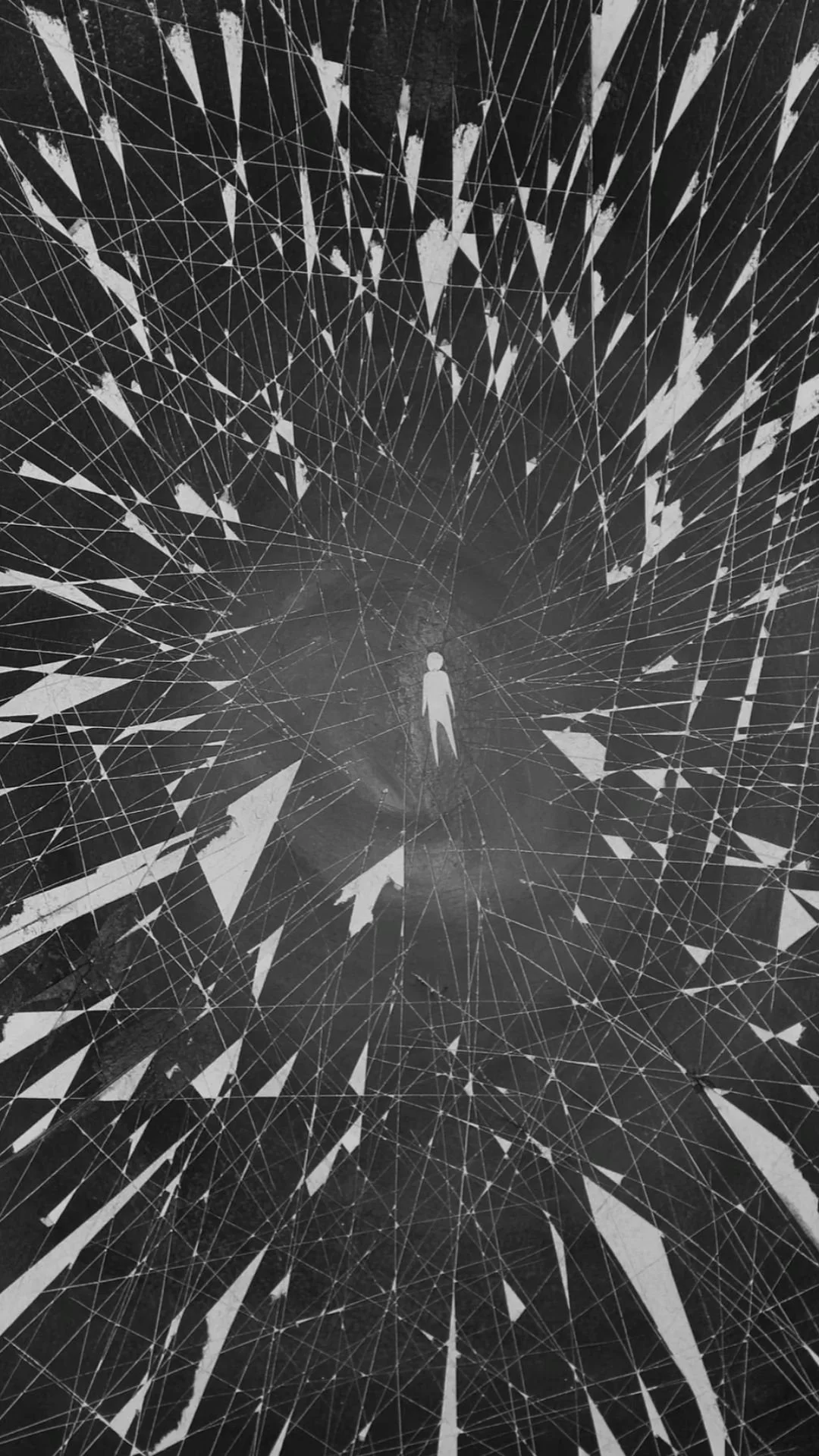
Another example of a discrepancy potentially due to an Echo Fissure is the event known as The Fate of Aberlor.
During one spring at the height of the War of Horrors, Aberlor, a small town in the province of Rommelen, was invaded by members of the cult of sorcerers known as the Abyss during a missing persons investigation. In the end, the town was flooded by the breaking of the dam in the valley upstream. However, there is a discrepancy as to whether the town was evacuated or drowned, and whether the at-the-time cult member known as The Harbinger survived or not.
There are a variety of documented cases which range from all members surviving and given homes elsewhere, to all the riches of the town being taken before the flood by the hired team of investigators. And there are even some documents that state nobody survived, including the investigators.
Echo Fissures were conceived as an in-universe framework that legitimizes player-driven events, alternate outcomes, and “what-if” scenarios as canonically real within a fractured timestream. Through them, the audience does not merely experience the author’s world, they actively shape it.
Interactive narratives, such as The Fate of Aberlor, embrace this multiplicity. Rather than elevating a single outcome as definitive “canon,” all possible endings are understood to exist in parallel, each one a valid thread within the greater tapestry of the story.