Faekind
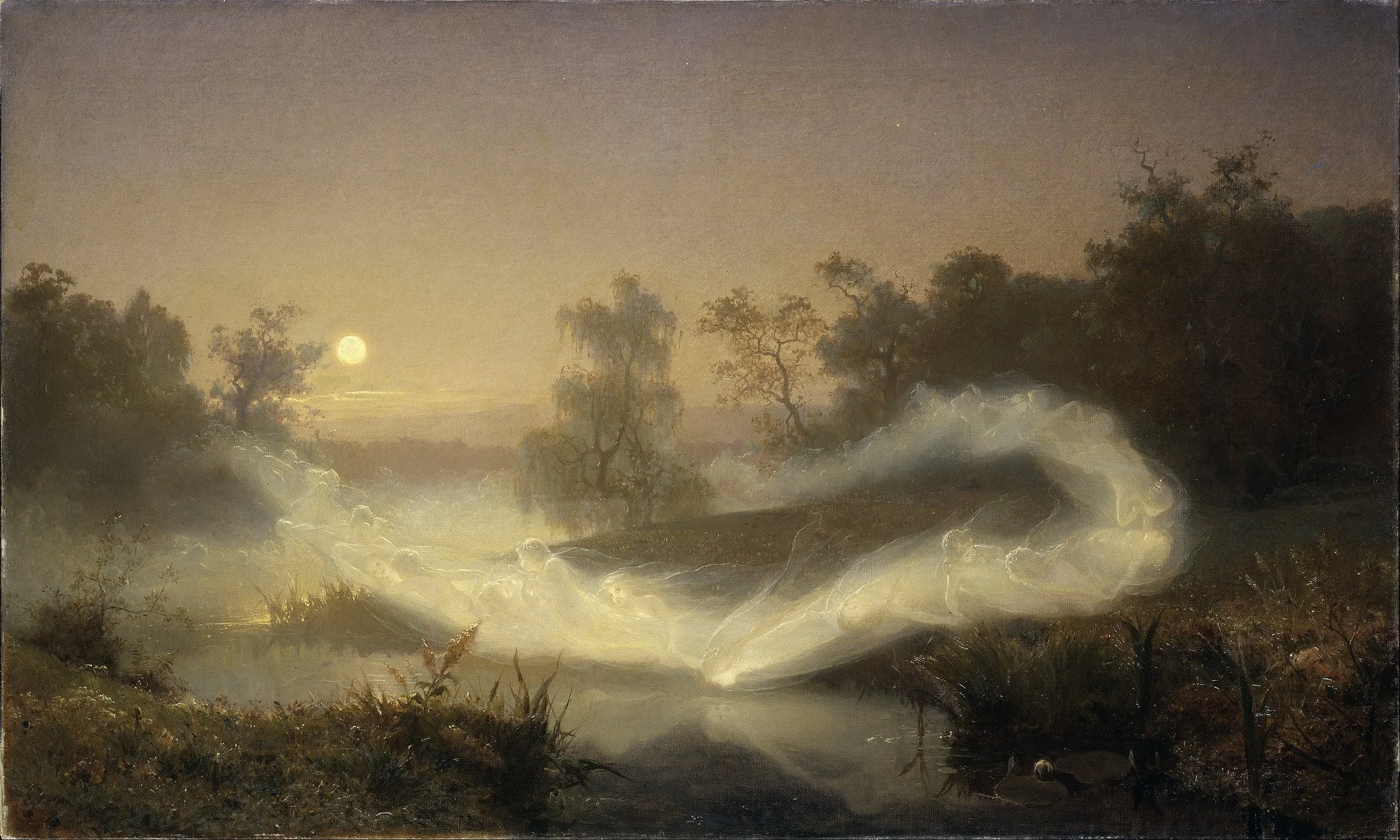
Among all the peoples fashioned within the Chorus of Creation, none are so difficult to define as the Fae. They are not one race but an innumerable multitude of lineages united by a common origin in the Fairer Lands. Fairies, pixies, sprites, dryads, gnomes, kitsune, household spirits, and countless lesser beings all belong to this broad family, though no scholar has yet succeeded in tracing every branch of the ancestry of the Fairer Folk.
Their homeland, known collectively as the Fairer Lands, is no ordinary realm but a reflection of those same harmonious overtones from which they first arose. Beauty and peril exist there in equal measure. Time bends with no mortal accordance. Names possess more weight, and gifts, promises, and hospitality carry the binding force of law. To enter the Fairer Lands is therefore not merely to cross a border, but to step into a place where the world itself follows a different harmony.
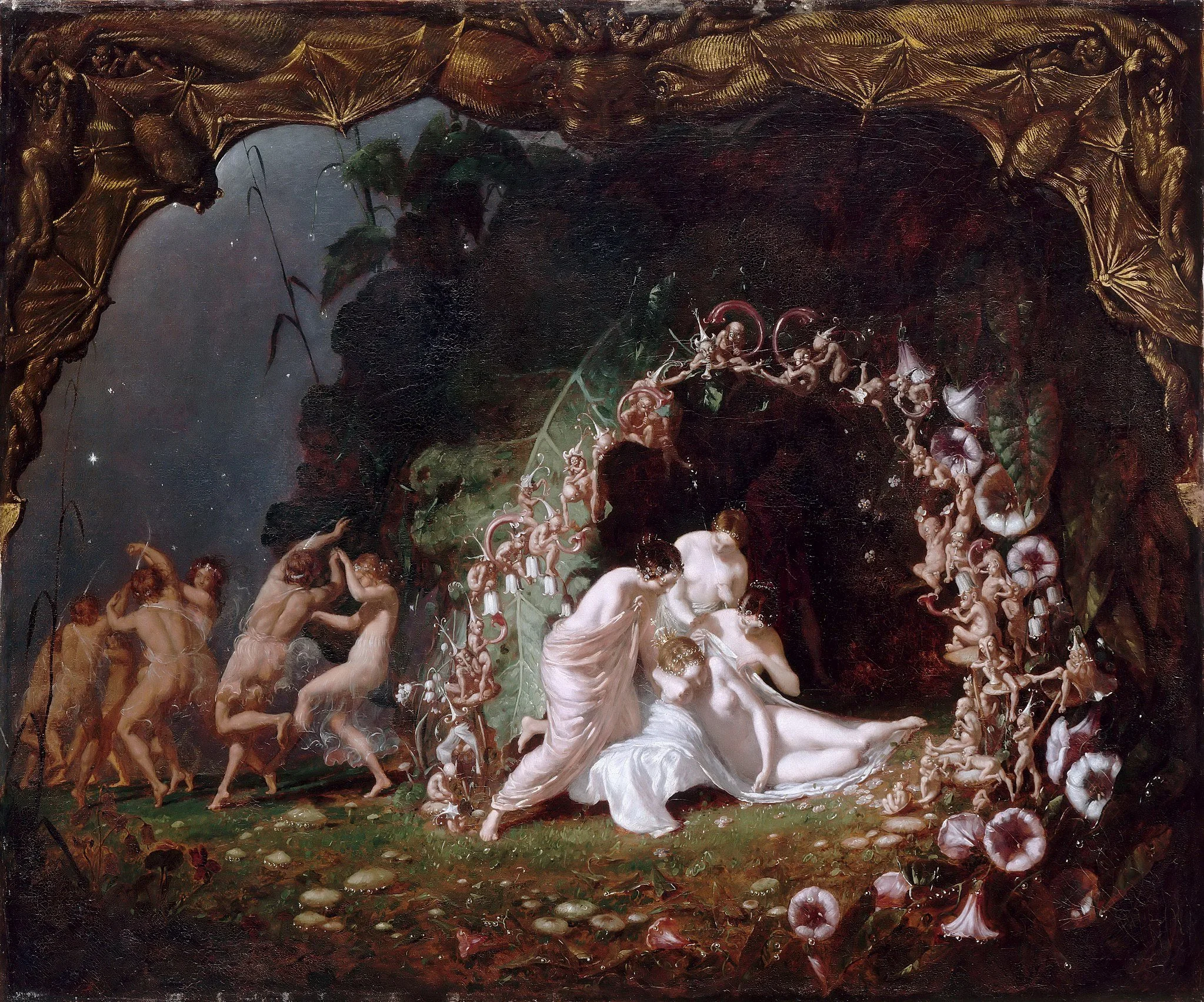
Those invited to enter a fae hill would be wise to decline, and every offer of food or drink should be refused, for to partake is often to acknowledge oneself as a guest. Among the Fairer Folk, hospitality is seldom offered without obligation. The enchantment of fae music has likewise lured countless mortals from familiar roads into fairy rings where frolic and celebration may conceal the passing of decades. A fae kiss, a shared meal, or even a single dance beneath the stars may bind a traveler to the Fairer Lands forever.
Contents
1.1 Origins
1.2 Documented Sightings
1.3 A Note on Physiology
1.4 Fae Culture
2. Division of the Fairer Lands
1.1 Heldi’ethir
1.2 Forban’ethir
3.1 The Lucent Court
3.2 The Vernal Court
3.3 The Untamed Court
3.4 The Hibernal Court
3.5 The Veiled Court
4.1 Early Days & Relations
5. Farzaad and the Five Courts
5.1 Story from the Lys Ursunga

Origins
The Lys Ursunga teaches that the Faekind were not fashioned through deliberate design, but were born from the harmonic overtones of the Divine Chorus itself. As the voices of the Aelysiar resounded across creation in perfect accord, subtle resonances arose naturally from their music, or unintended echoes, yet no less real.
If Elves arose from the refraction of Ze-Nyt’s light upon the world, and Humans from the reverberation of the Divine Song itself, then the Faekind are the living overtones of that same chorus: beings born from the beautiful resonances that accompanied the principal melody. Thus the Faekind simply are. No deity claimed them, no artisan fashioned them, and no divine command called them forth.
What’s more peculiar, is the Fae’s affinity for fungi - particularly toadstools - and the relationship between them, especially when considering that fungi is mentioned to simply be present at the time of the Primordials in their heavenly halls of starlight.
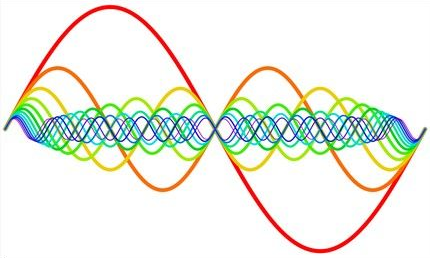
The Harmonic Overtones were never deliberately sung as separate themes. From these overtones came the Oscil Faeyu’tse, beings who delight in beauty, wonder, contradiction, impossible things, and all that lies between certainty and mystery. Just as no two echoes are ever identical, so too do the Faekind possess an astonishing diversity of form, temperament, and purpose.
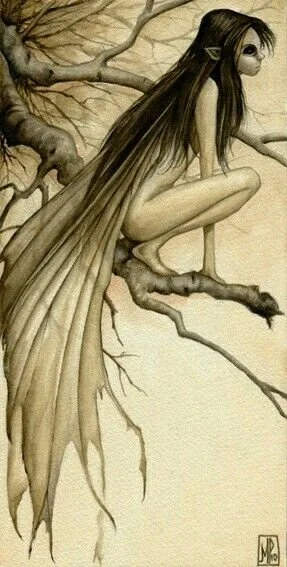
This origin explains much of the Faekind’s extraordinary diversity. Some resemble mortals, others possess wings like stained glass, some have forms that shift over time. No single appearance can be called truly typical of the Fairer Folk, even if considered a generalization.
The Harmonic Overtones stand in direct contrast to the Discordant Overtones, from which arose the Drûshtor Orro’tse, Undead and Former Beings and other unnatural horrors. The Discordant Overtones embody the corruption of harmony through dissonance, giving rise to creatures born from broken songs, fractured souls, and melodies that refused their proper resolution.
Documented Sightings
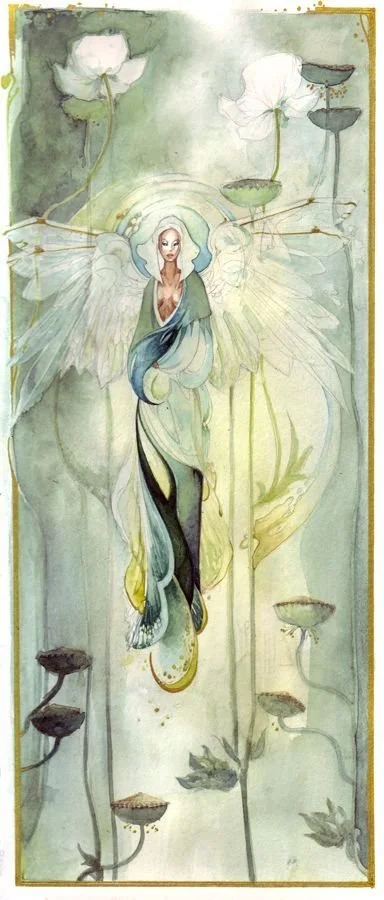
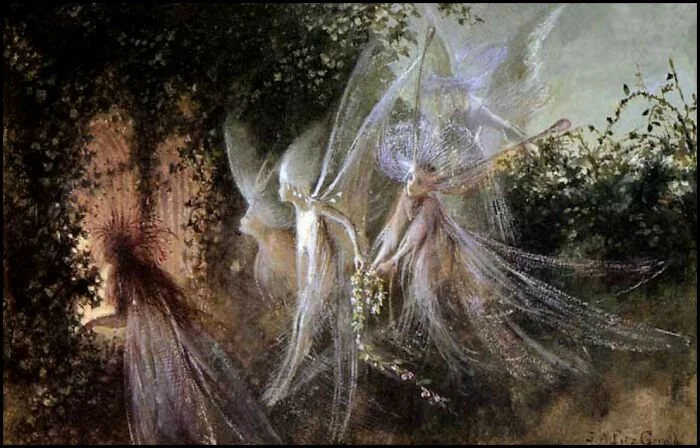
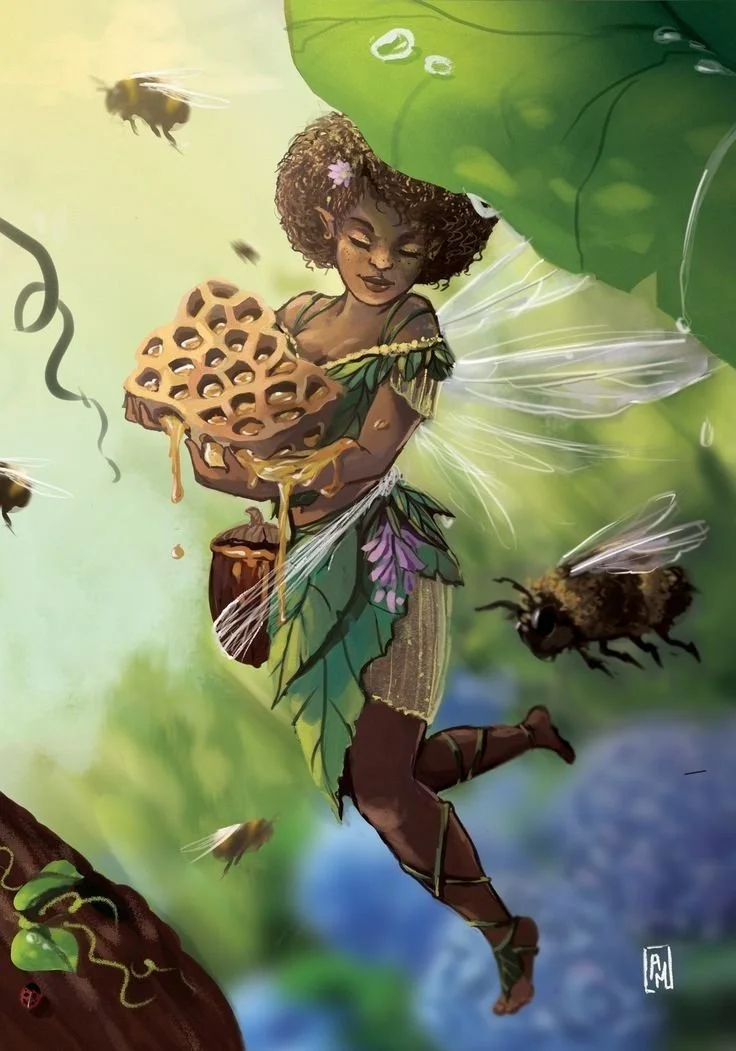
Faekind come in many shapes and sizes. As for fairies specifically, it is documented within the ’Creaturae en Patalia Mundi’ that fairies are, “habitually more benevolent than their pixie cousins; fairies are more humanoid, often with insectoid features.” Modern scholars generally regard this description as a taxonomic convenience rather than a precise biological classification, intended for travelers who encounter unnamed members of the Fairer Folk rather than renowned beings such as Kitsune, Gnomes, or the Archfae.
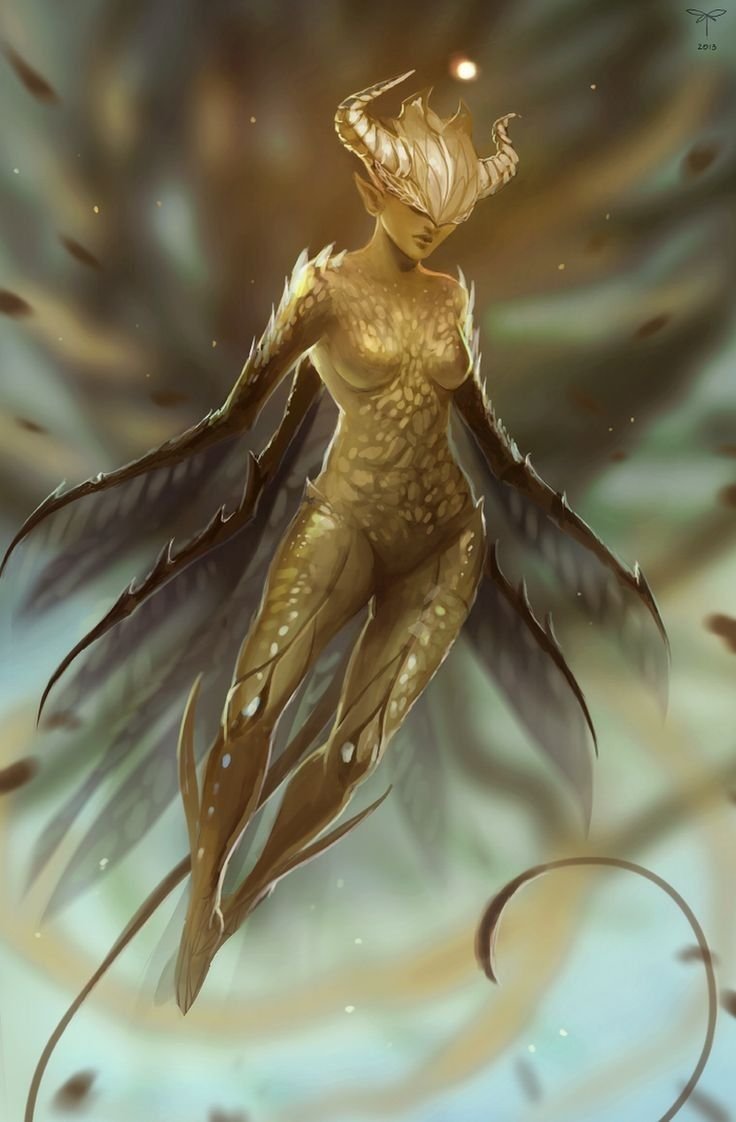
According to the ’Creaturae en Patalia Mundi,’ it warns against confusing fairies with pixies. Though both belong to the Faekind, pixies possess distinctly more plantlike and animalistic characteristics and are recognized as a separate species altogether.
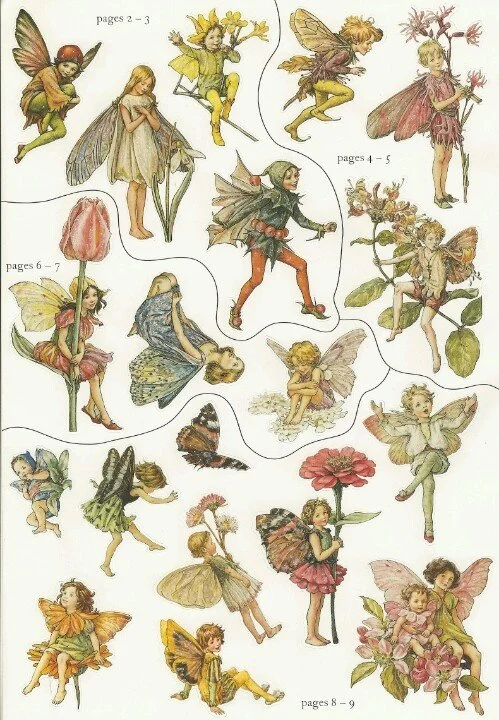
Even these classifications have their limits. Many Faekind defy mortal attempts at taxonomy altogether, appearing differently according to the observer, the season, the place, or even the story being told. Whether such transformations are true changes of form or merely enchantments upon perception remains a matter of spirited debate among scholars.
A Note on Physiology
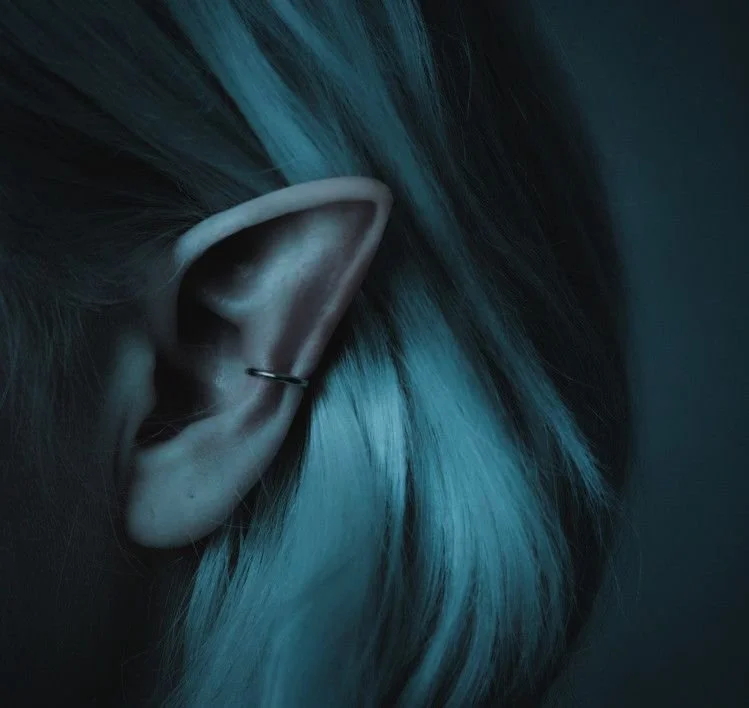
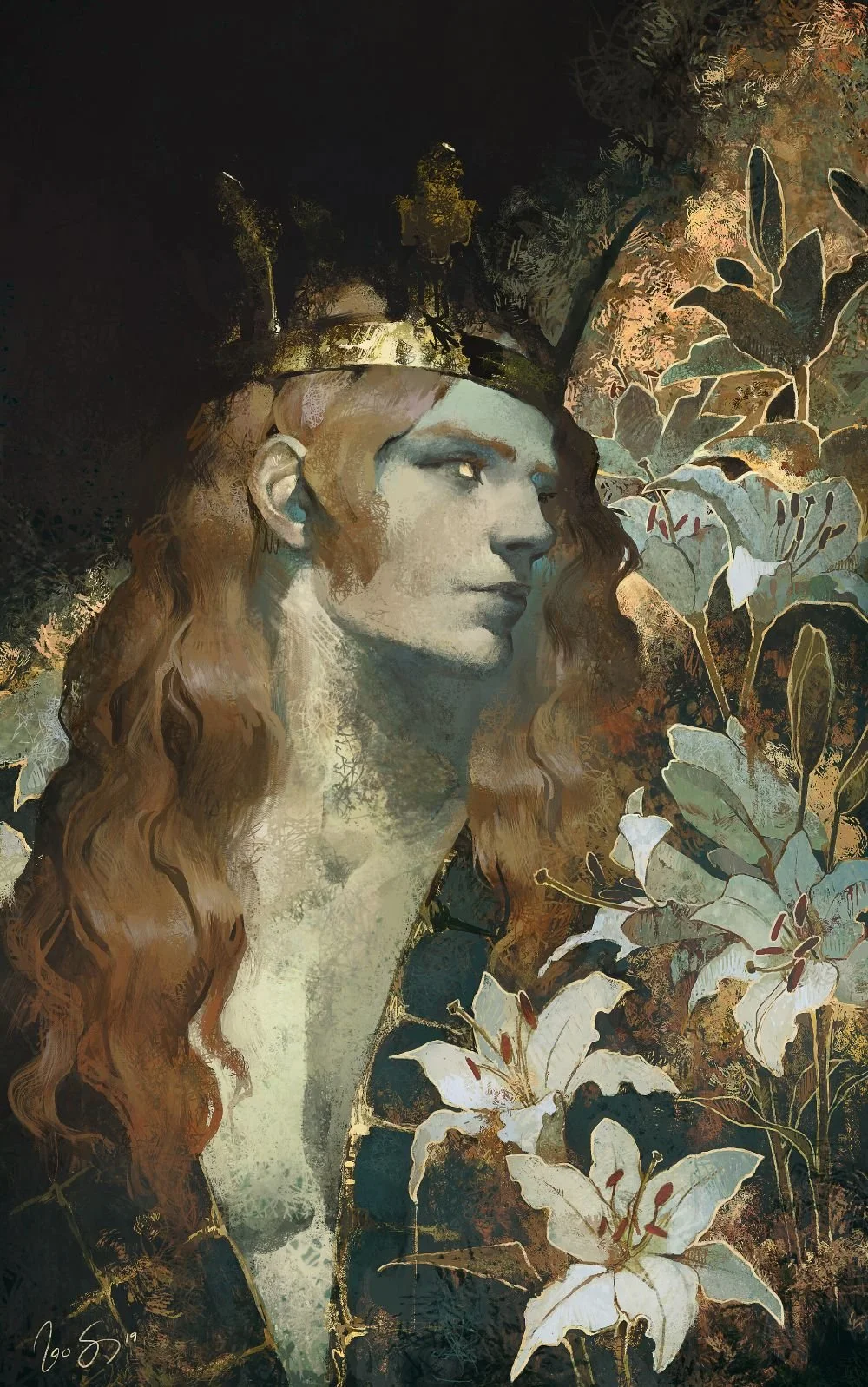
Unlike the rounded ears of Humans and Thraelli, the tapering ears of the Oscil Faeyu'tse are not merely organs of hearing but living instruments of resonance. Their pointed form is a natural adaptation through which they perceive the Harmonic Overtones that accompany every note of the Divine Chorus. More than ears alone, they are living resonators, fashioned to receive the subtle echoes, emotions, and hidden sympathies that ripple continually throughout creation. Their graceful shape recalls the unfurling of new leaves, the petals of flowers, and the gentle curves of a song carried upon the wind.
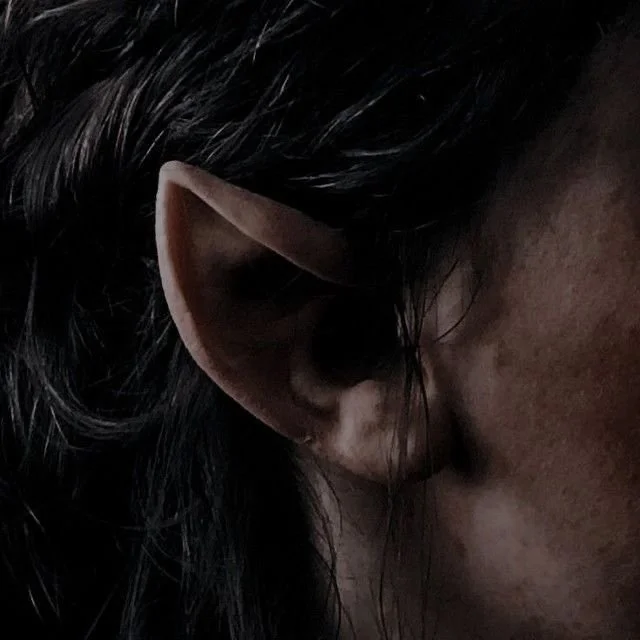
Though the Faekind do not perceive the hidden geometries of reality as do the Oli Kuelve, they possess an extraordinary sensitivity to harmony itself. Every place, creature, promise, and spoken name carries its own resonance. Through their pointed ears the Fair Folk instinctively sense the unseen music woven through the world: the joy lingering within a hearth, the sorrow sleeping beneath ancient stones, the truth hidden behind spoken words, and the invisible bonds created by gifts, hospitality, gratitude, and oath.
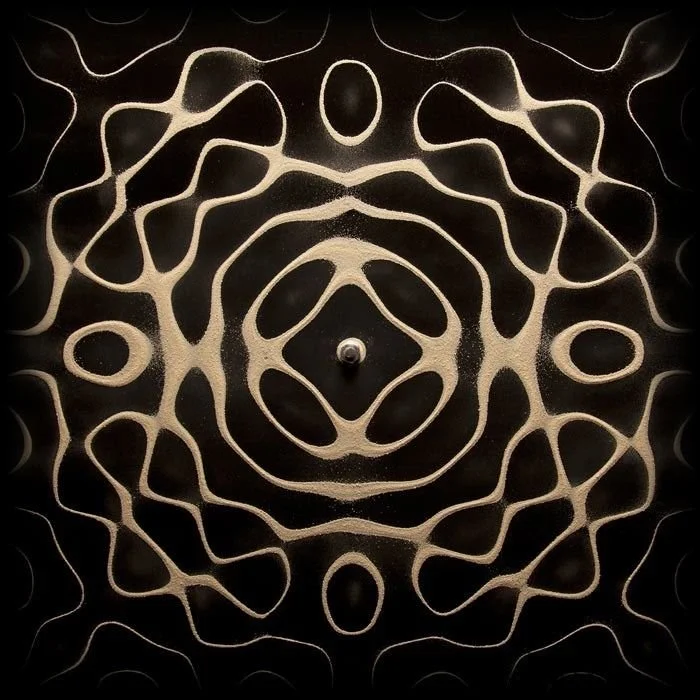
For this reason the ears of the Faekind are shorter than those of the Oli Kuelve. They are fashioned not for refraction, but for resonance. Where an Elf perceives the countless patterns hidden within creation, the Fair Folk hear the innumerable echoes surrounding every living thing. To the Oscil Faeyu'tse the world is not a great geometry, but an endless harmony whose melodies are forever changing.
Fae Culture
The customs of the Faekind are among the oldest in creation, and to mortal eyes often appear contradictory or arbitrary. This misunderstanding has led many to mistake the Fairer Folk for whimsical creatures ruled only by impulse. Nothing could be further from the truth. Their society is governed by traditions older than the Humans themselves, founded not upon written law but upon custom, symbolism, and the invisible weight carried by every spoken word and deliberate act. Fae law follows equivalent exchange, but to what the fae considers an equivalence, which is subject to waver. Still, a fae may faithfully fulfill every letter of an oath while bringing utter ruin upon the one to whom it was sworn, perceiving no contradiction whatsoever. Among the Fairer Folk, intention is often considered less important than the harmony created, or disrupted, by one’s actions.
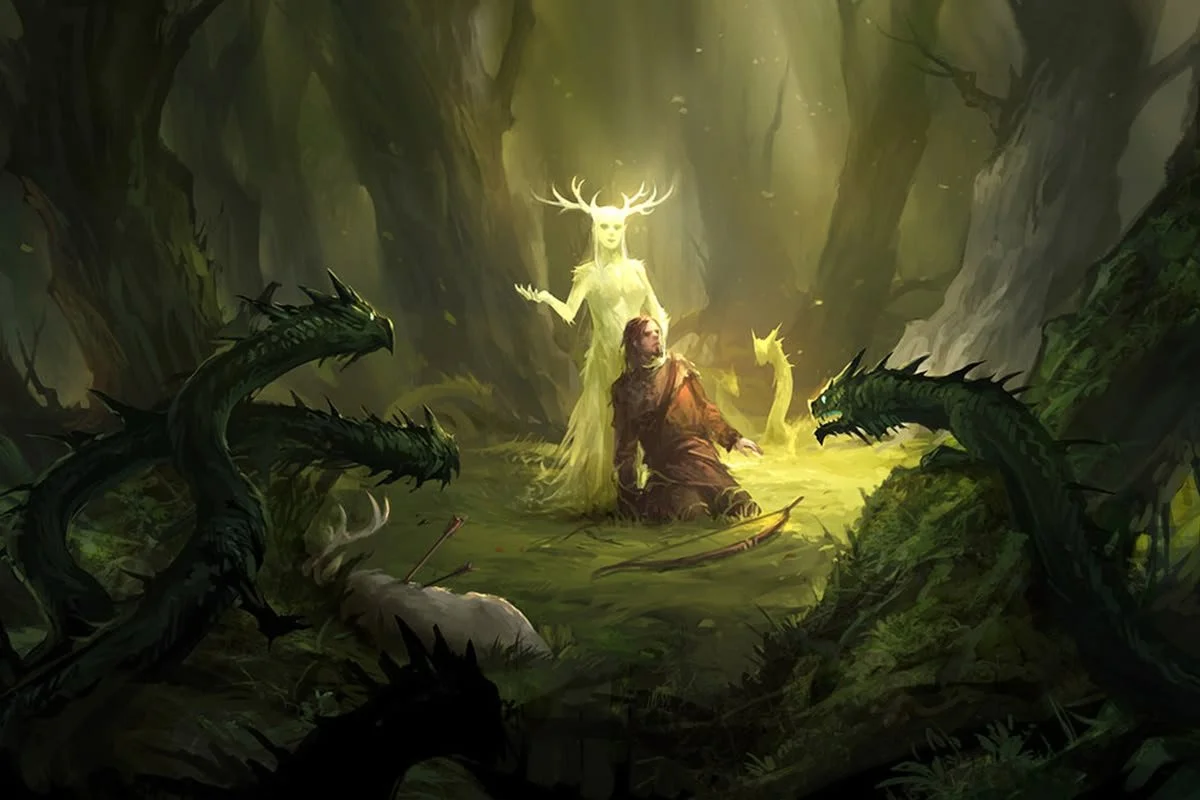
For this reason, mortals are advised to approach all dealings with the Faekind with humility and restraint. Invitations should not be accepted lightly, gifts should never be requested, and promises should never be made in haste. To offer one’s full name, to partake of a feast, or even to thank a fae without understanding the obligation such gratitude implies may create bonds far stronger than iron chains. Many legends tell of mortals who believed themselves to have concluded a simple exchange, only to discover years later that they had unknowingly entered into a covenant.
The Fairer Folk also go to extraordinary lengths to protect those things they consider their own. What mortals perceive as greed is often a sacred devotion to the fae. Every possession carries memory and a story, and thus a power.
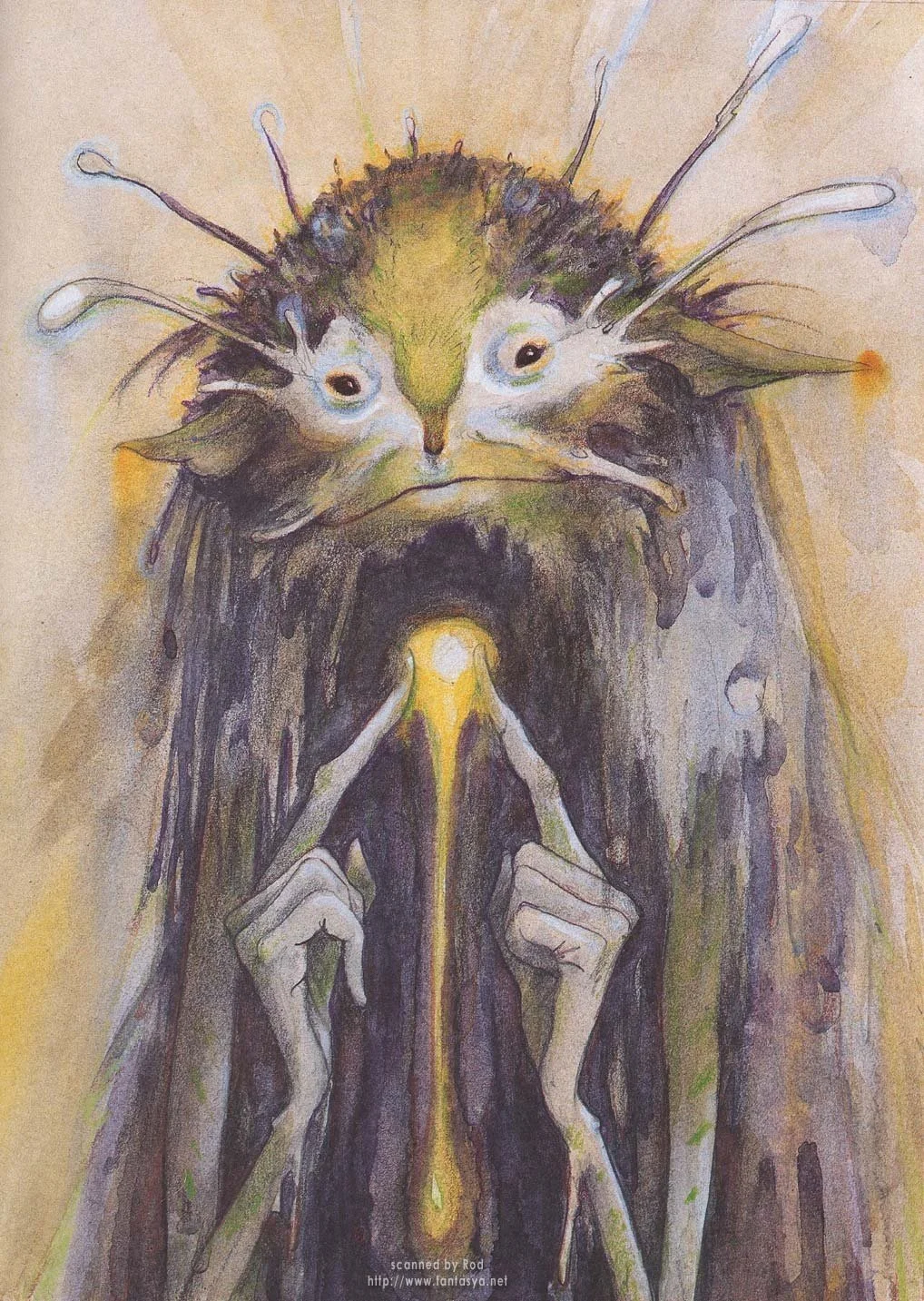
There are, however, many graces the Faekind willingly bestows upon those who earn their favor. Good fortune, unexpected gifts, hidden knowledge, skilled craftsmanship, and quiet acts of practical assistance are all well attested throughout history. Yet such blessings are expected to remain unspoken. Fae etiquette demands secrecy, and openly boasting of their generosity is regarded as a profound breach of trust. Stranger still, expressions of gratitude are frequently unwelcome, for they imply that a debt has been created where none was intended. Likewise, should a mortal borrow fae utensils or provisions, it is considered deeply offensive to return more than was received, as such generosity falsely suggests the original gift was insufficient. The Fairer Folk themselves, however, often return borrowed goods with extravagant abundance, delighting in unexpected generosity when it is freely offered rather than socially compelled.
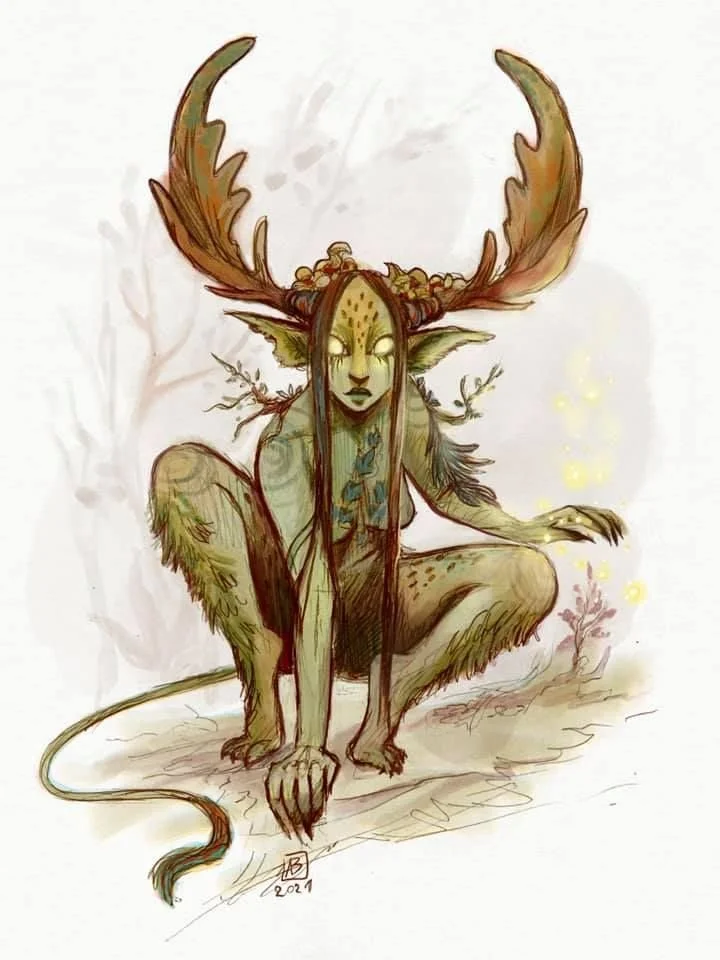
Though capable of remarkable kindness, the Faekind are equally capable of terrible vengeance. Insults are seldom forgotten, broken promises rarely forgiven, and desecration of sacred places almost always answered. Countless stories speak of travelers rewarded beyond imagination for simple courtesy, while others were cursed for generations over what seemed, to mortal eyes, a trivial slight. Such tales illustrate not cruelty but the profoundly different values by which the Fairer Folk measure justice. It is therefore misleading to divide the Faekind into the categories of good and evil familiar to Humans. They are creatures of impossible things, and to understand them one must first abandon the expectation that they think and act as mortals.
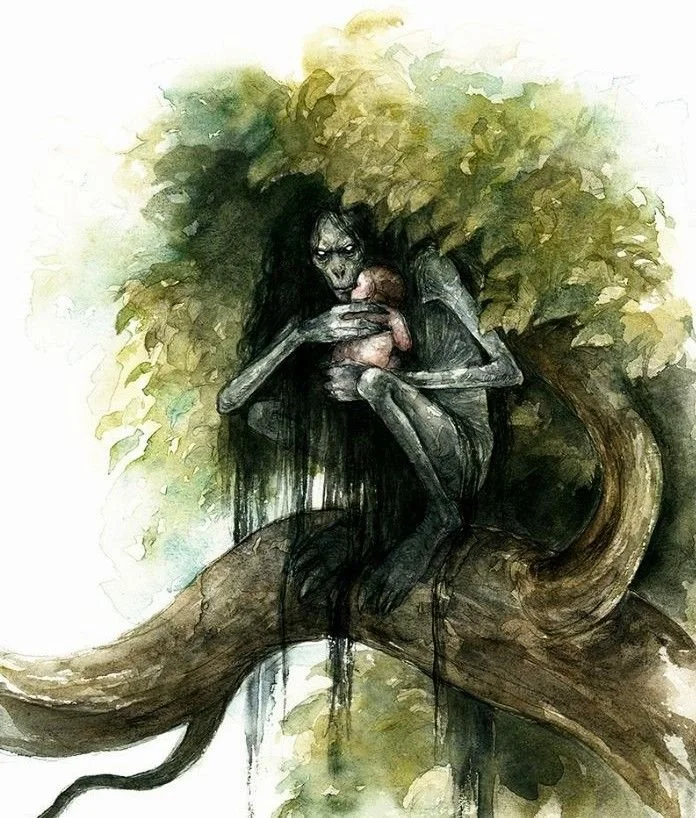
Certain branches of the Fairer Folk have nevertheless become consumed by malice, envy, insatiable hunger, or grievances so ancient that no memory remains of their origin. Though not all serve Nûlnan, neither should they be mistaken for misunderstood spirits. Many dwell within the shadowed domains of the Forban’ethir, where centuries of bitterness have twisted once-noble customs into instruments of cruelty. Such beings are rightly feared, and peaceful dealings with them are rarely possible. Among the most dangerous are several denizens of the Hibernal and Veiled Courts, whose supernatural beauty has lured countless mortals to lonely fates from which no songs have ever returned.
Though mortals often speak of the Fairer Lands as though they were a single kingdom, they are instead divided by two great influences that arose from the earliest Harmonic Overtones. These are not nations but ruling powers based on primal resonances that shaped the character of the realms and the peoples touched by them.
Most of the Fairer Lands are touched by one Echo or another, though neither wholly defines the peoples who dwell there. Between them lies a third path, one that acknowledges neither blessing nor curse, but instead embraces change itself. Thus, three each push and pull on either side of the Fairer Lands, with a wild, unclaimed land in between.
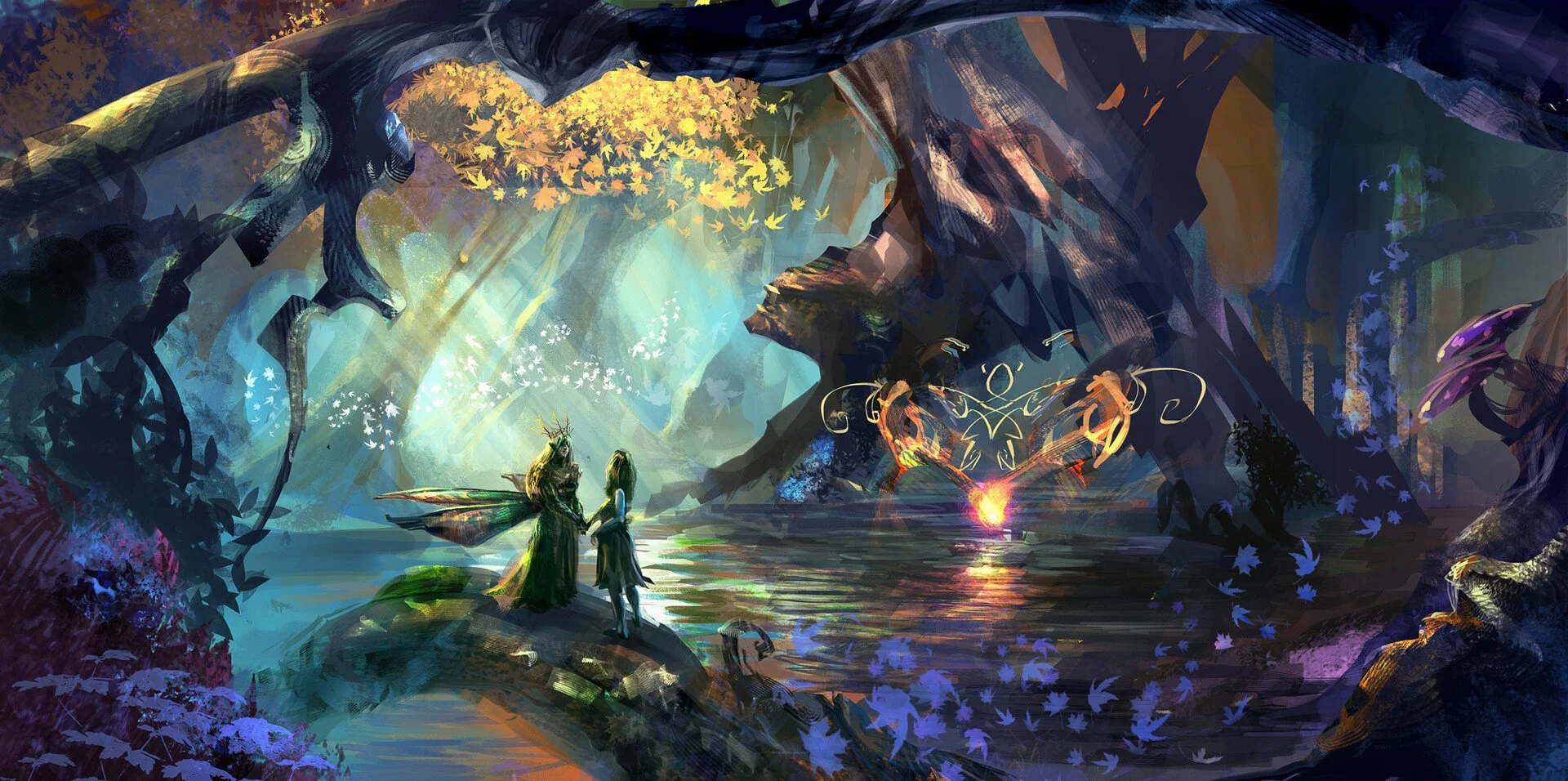
Heldi’ethir — The Blessed Echo
Often called the Lucky Court, Heldi’thir is the first radiant harmony of the Faekind. It embodies growth, renewal, illumination, flourishing life, and joyous creation. Wherever its influence is strongest, beauty tends toward generosity, life renews itself with effortless abundance, and the seasons favor spring and summer.
This court holds sway over the Lucent Court and the Vernal Court.
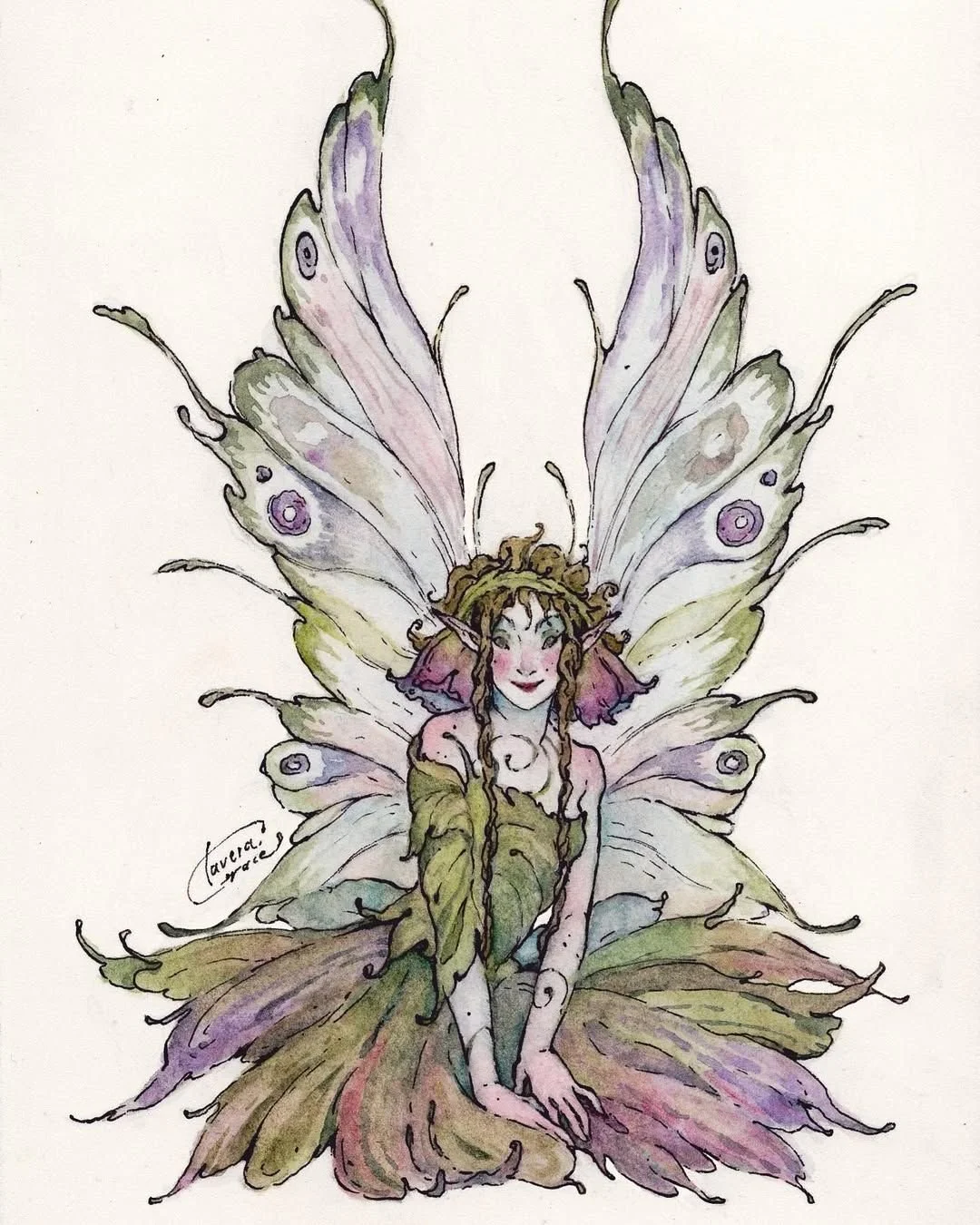

Forban’ethir — The Cursed Echo

Often called the Doom Court, Forban’ethir is not the opposite of Heldi’ethir so much as its shadow. It embodies decline, silence, solitude, memory, and the solemn beauty found in endings. Its influence is strongest where autumn yields to winter, where forgotten things linger, and where beauty is tempered by melancholy rather than joy.
This court holds sway over the Hibernal Court and the Veiled Court.
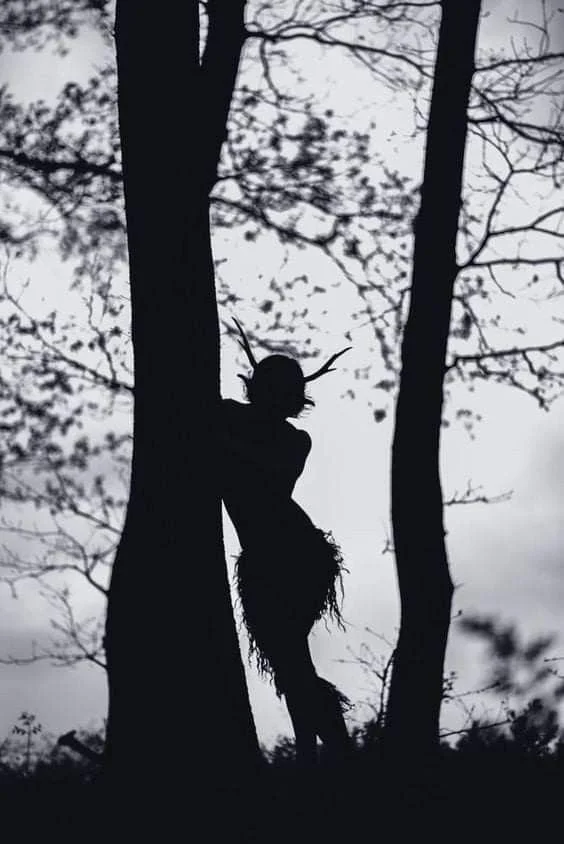
The Lucent Court
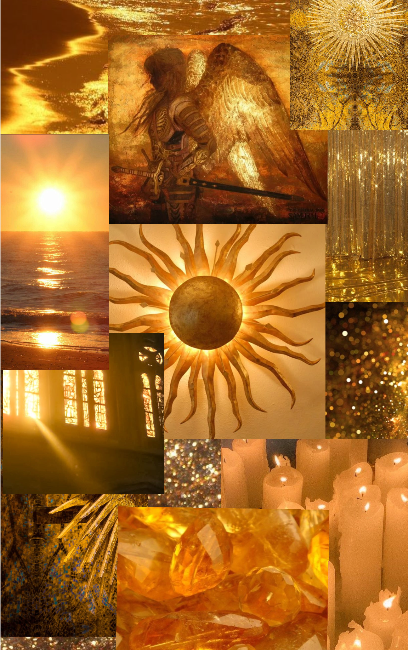
Born from Ze-Nyt’s light and Tra’zom’s beauty, the Lucent Court is the brightest of all the fae realms. It is home to fairies, pixies, luminous spirits, and many of the winged peoples.
Here the sky never seems entirely dark, colors possess impossible brilliance, and song and light are often indistinguishable from one another.
Beauty is regarded as a sacred language, and artistry is considered among the highest virtues. The Lucent Court is most deeply influenced by the radiance of Heldi’ethir.

The Vernal Court
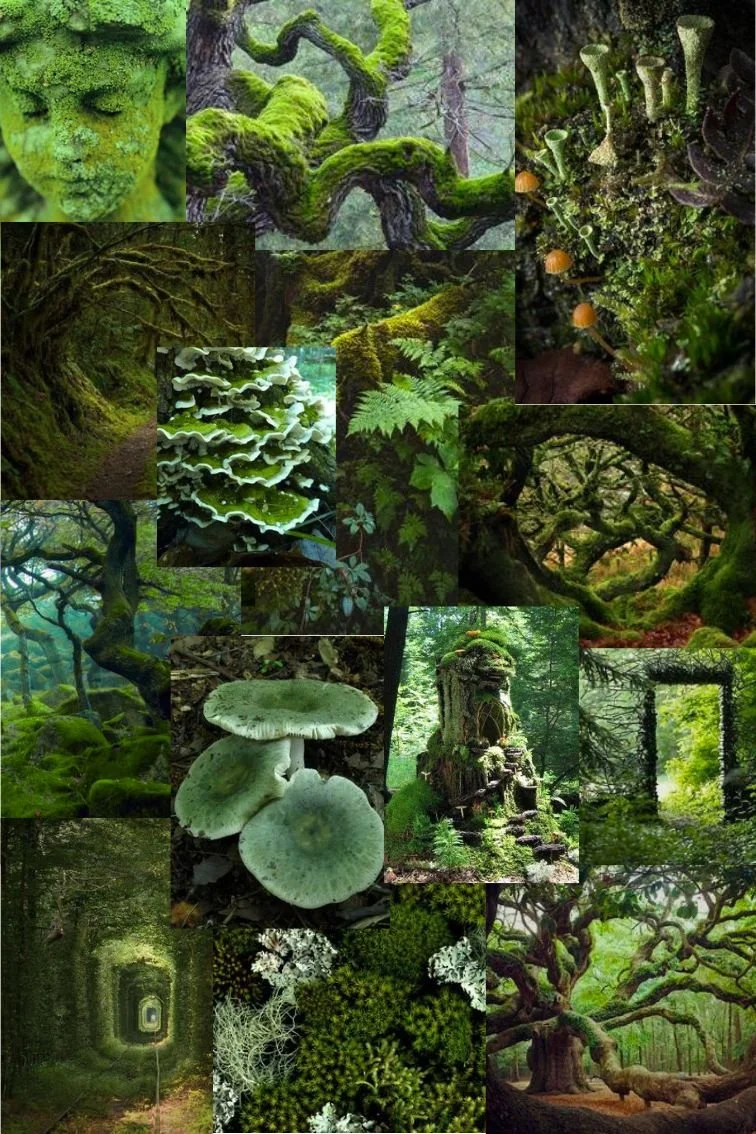
Born from Geelanvie’s first growth and from the lingering vitality of the Grehn Vivileah. It is home to gnomes, sprites, dryads, household fae, and countless guardians of forests, gardens, rivers, and hearths.
Here every living thing participates in an endless cycle of growth and renewal.
Hospitality is especially sacred, for every guest is regarded as another seed from which future harmony may grow. The Vernal Court likewise flourishes beneath the gentle influence of Heldi’ethir

The Untamed Court
~~~
~~~
***
~~~
~~~
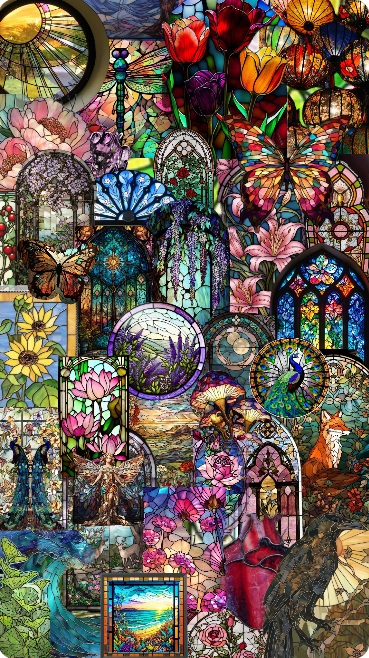
Born from Drekk’s wild beasts and Agnidha’s boundless unpredictability, the Untamed Court refuses easy classification. Kitsune, shapeshifters, trickster beasts, and innumerable creatures of transformation dwell within its borders.
Neither the Blessed Echo nor the Cursed Echo holds sway or dominion here. Instead, the Untamed Court delights in freedom, transformation, and possibility itself.
To outsiders, its inhabitants are renowned as the greatest tricksters in all creation. Yet their pranks are seldom acts of simple cruelty. More often they expose pride, punish certainty, reward cleverness, or remind mortals that the world remains stranger than they imagine.
Among the Untamed, laughter is often considered the surest sign that one’s understanding has grown.

***
~~~
~~~
~~~
~~~
The Hibernal Court
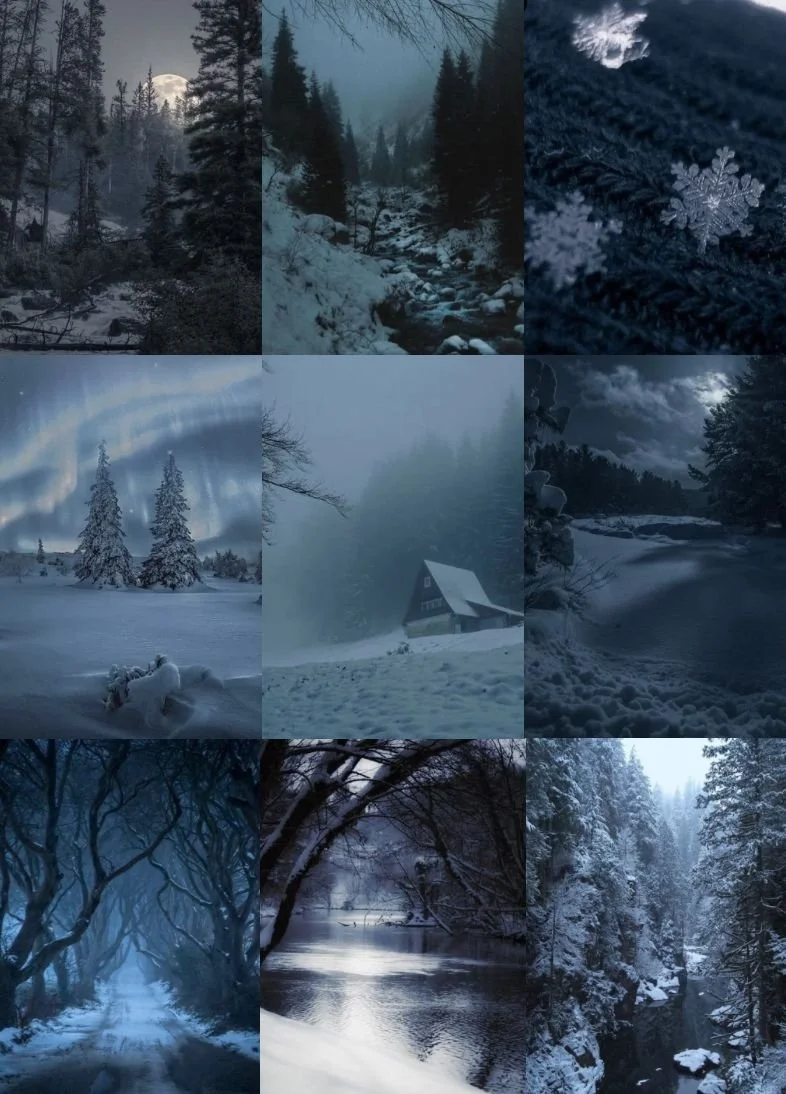
Born from Drukolt’s winter and Kroth’s sacred keeping of thresholds, endings, and peaceful rest. It is home to barbegazi, ice spirits, winter fae, and those who guard forgotten roads beneath falling snow.
Though often feared by mortals, the Hibernal Court is not a realm of evil. It teaches that every flourishing season must one day give way to stillness, and that preservation is sometimes as necessary as growth.
Here snow protects as often as it buries, silence heals as often as it mourns, and endings are honored not as tragedies but as indispensable parts of creation’s harmony. Even so, the lingering influence of Forban’ethir lends the court a solemn dignity that many mortals mistake for cold indifference.

The Veiled Court
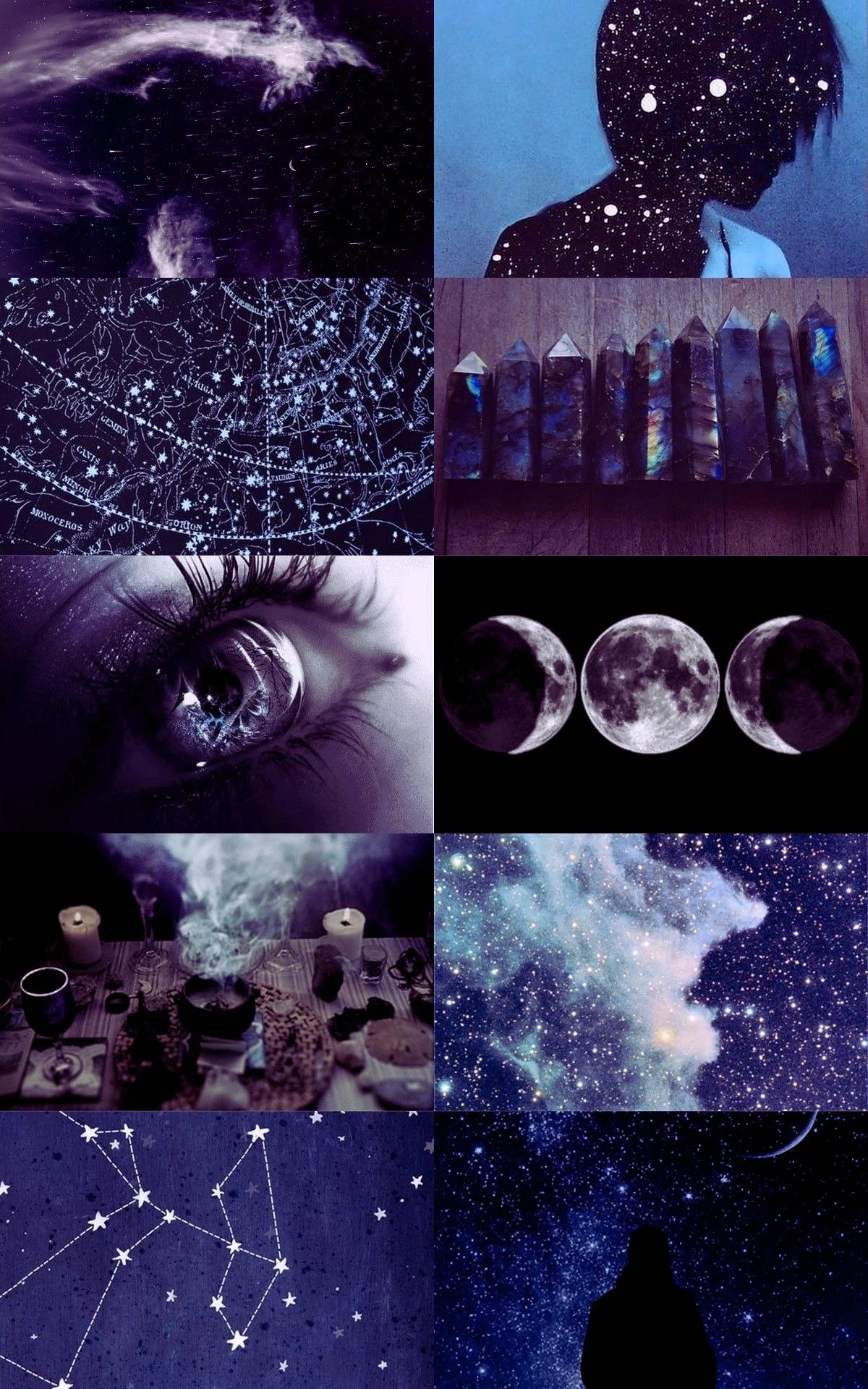
Born from Khiashba’s dreams and nightmares, and the esoterics of Svaramystri, the Veiled Court is home to changelings, dream fae, banshees, nightmare spirits, and countless uncanny beings that resist simple explanation.
Its forests are shrouded in perpetual twilight, where dreams mingle freely with waking thought and forgotten paths often lead to impossible destinations. Illusion is not regarded as deception but as another way of revealing truth, and those who walk its roads soon learn that memory itself can become both guide and adversary.
The Veiled Court bears the quiet influence of Forban’ethir, not because it delights in darkness, but because hidden things, forgotten things, and truths awaiting discovery all belong to the same great mystery.

A Brief History
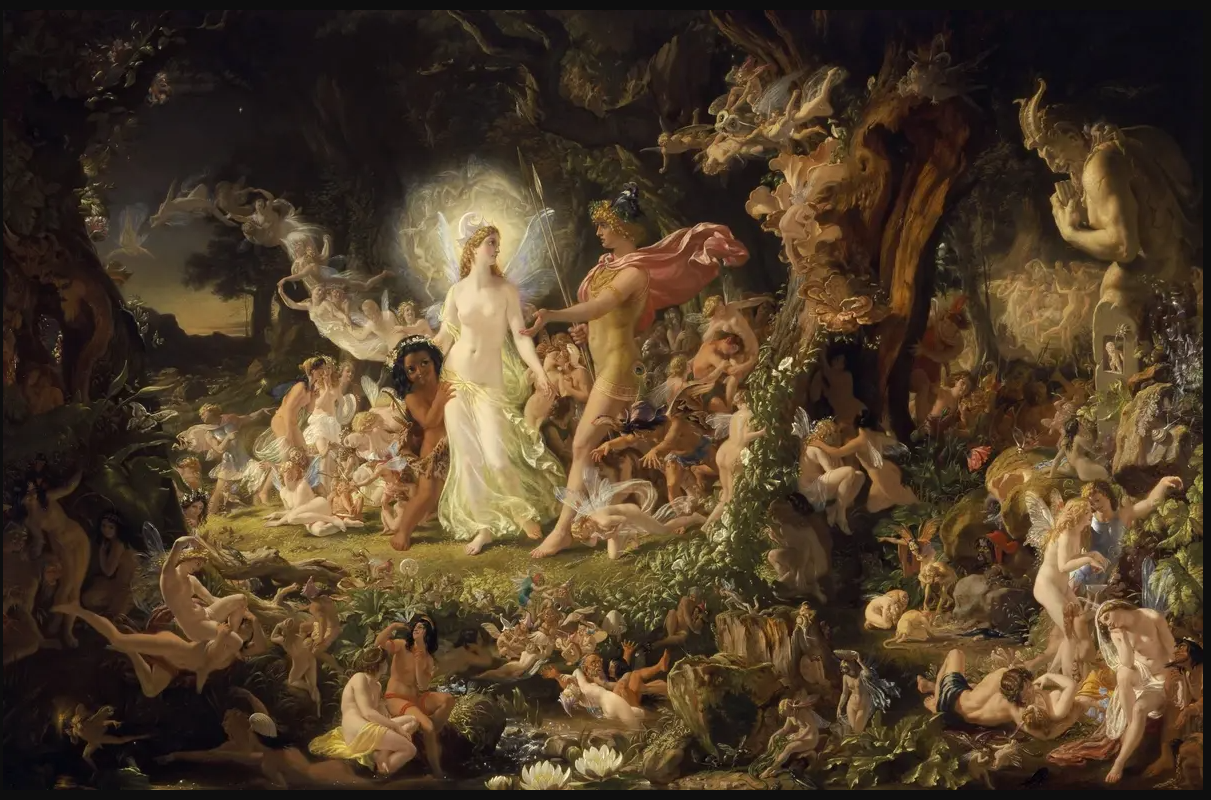
Since the earliest days of the Humans and the Thraelli, relations with the inhabitants of the Fairer Lands have remained as varied as the Faekind themselves. No civilization has wholly escaped their influence, nor has any succeeded in fully understanding them. Across the centuries they have appeared as benefactors, teachers, tempters, tricksters, guardians, and executioners. Entire villages owe their prosperity to an unseen patron, while others remember only the ruin brought by an oath carelessly spoken or a promise left unfulfilled.
Because the Fairer Folk seldom distinguish between great offenses and seemingly insignificant discourtesies as mortals do, countless customs have arisen in hopes of avoiding their displeasure. Travelers leave small offerings at ancient trees and lonely crossroads. Hearths are swept before nightfall. Certain greetings are avoided near standing stones, and many households continue the old practice of leaving an empty place at the table during seasonal festivals, lest an unseen guest take offense at being forgotten.
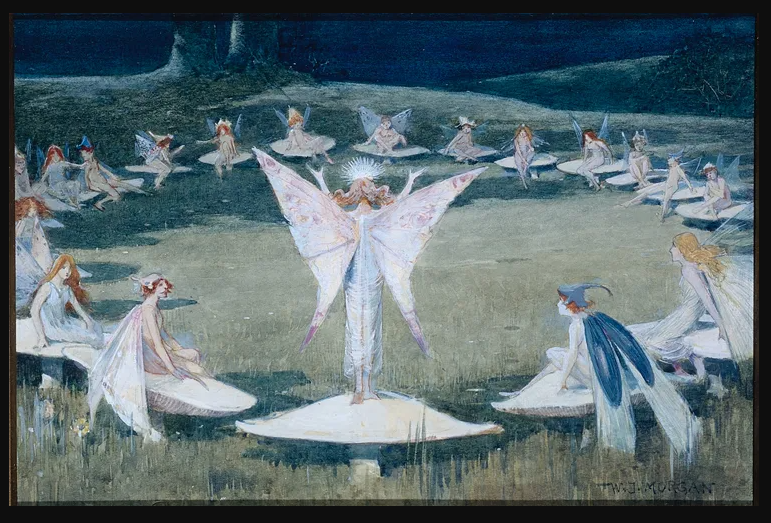
Throughout history, many afflictions have likewise been attributed to the workings of the Faekind. Sudden cramps, lingering bruises, unexplained lameness, rheumatism, and wasting sickness were long believed to be the marks of invisible fae punishments, often described in folklore as the pinching fingers or unseen blows of offended spirits. Those who wandered too often toward fae hills were said to return pale and exhausted, as though years of strength had been quietly drawn away while only a single night had passed. Stories of changelings likewise arose throughout many cultures, where unusual illnesses or unexpected changes in infants were explained as the work of the Fairer Folk.
Whether every such tale reflects genuine fae activity remains a matter of considerable debate among scholars. The ‘Creaturae en Patalia Mundi’records many of these traditions faithfully, though it cautions against accepting every superstition as historical fact. Nevertheless, even the most skeptical natural philosophers concede that enough verified encounters have occurred to make outright dismissal of such accounts difficult.
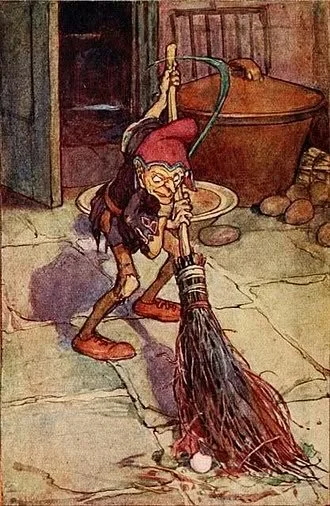
Many lesser disturbances, however, are almost universally accepted as the work of the Fairer Folk. The unexplained disappearance of household objects, mysterious lights glimpsed at twilight, music heard where no musicians stand, strangely prosperous gardens, impossible good fortune, and travelers arriving home to discover that far more, or less, time has passed than they remember have all been consistently reported across every age and nearly every civilization.
Whether these are deliberate acts of mischief, unnoticed blessings, or simply the lingering influence of the Fairer Lands upon the Mortal Realm is known only to the Faekind themselves.
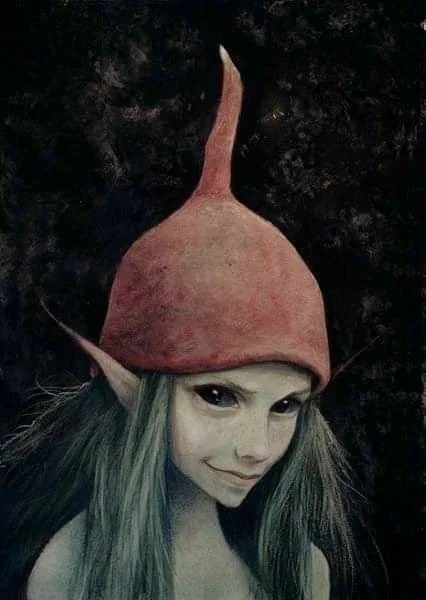

As told from the Lys Ursunga
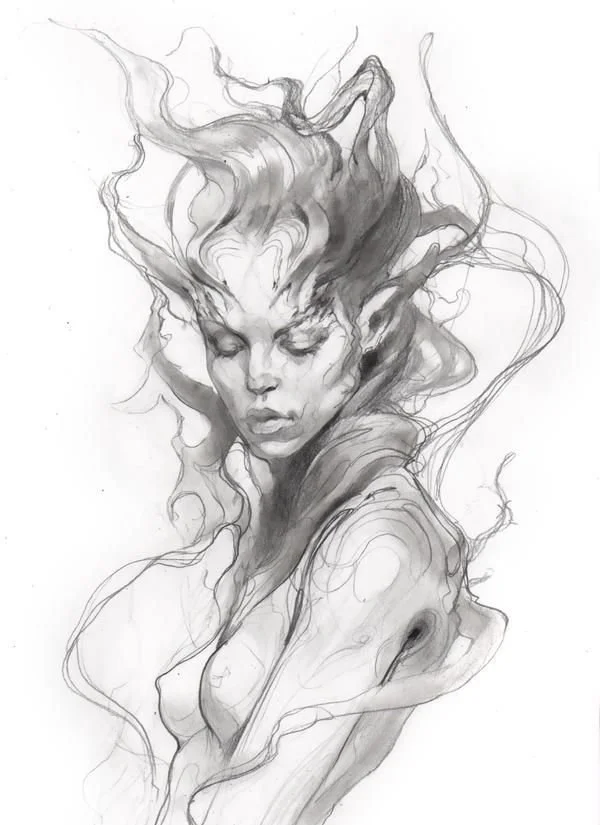
Once, in the years after the Great Migrations, when the Ari Umani (Humans) had spread, there was a mortal named Farzaad.
He was neither king nor priest, nor did he bear a sword of renown. He was a maker of small instruments: reed flutes, children’s whistles, and little bells whose voices could be heard only in quiet rooms. Yet Farzaad possessed two gifts rarer than gold. He listened before he spoke, and he remembered and kept every promise.
One night, Farzaad’s younger sister, Talimue, the most beautiful girl among many villages, fell into a deep slumber from which no healer could wake her. Each night she spoke in another voice, saying, “Brother, do not follow the road of lanterns. Do not eat the fruit beneath the silver branches. And do not tell your whole name.”
Their family wept, and their village burned herbs until the house grew thick with smoke. But Farzaad sat beside Talimue’s bed and listened. On the seventh night, when moonlight lay across the floor as spilled milk, a moth of blue fire entered through the window and settled upon her brow. It was then that Farzaad remembered the legends that had been passed down, and he knew that Talimue had been taken into the Fairer Lands.

Farzaad decided to save his beautiful sister, so he packed his cloak, a water pouch, a loaf of bread baked by his mother, three reeds from the riverbank, and a small bell of his own making. Before he departed, he bent close to Talimue and promised to bring her home. But he did not say that he pledged it, just in case he failed and so that the words would not bind him beyond what he could keep.
Farzaad found the first door to the Fairer Lands at first light. It stood in the circle of toadstools by the roots of an old willow. Upon those roots sat a woman in a gown of green leaves.
Her eyes were bright as mossy morning dew, and her smile was gentle enough to disarm a warrior. “Welcome, traveler,” she said. “Will you sit a while with me and share a gift?”
Farzaad eyed her curiously. “What gift is offered?” he asked.
“A cup of sweet water,” said the woman.
“And what return is desired?”
“Only your gratitude.”
Farzaad considered this. Then he took one reed from his pack and cut it with his teeth. Out of the reed, he fashioned a small whistle and set it upon the stone. “I accept the water,” he said. “But I shall return a song in kind.”
The woman laughed. She poured water into a cup of acorn-shell and gave it to him.
Farzaad drank only half, then tipped the rest into the roots of the willow. “A toast,” he said. “For the house that received me.”
The whistle made of reeds sang as the morning wind passed through it. The woman took the whistle, and the willow opened a door. And Farzaad entered the Vernal Court.
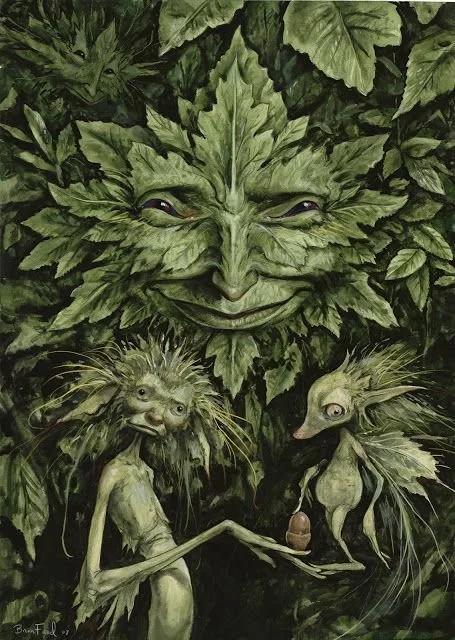
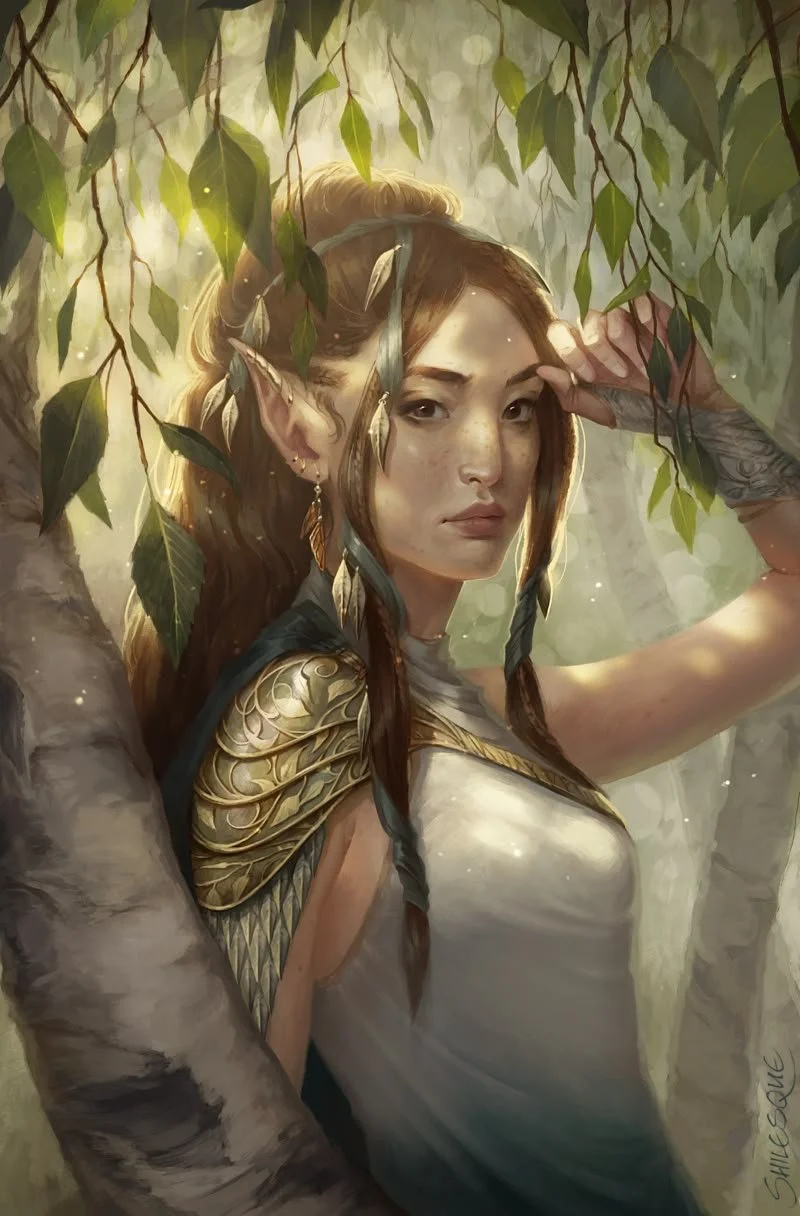
For three days, he walked beneath boughs laden with fruit. Gnomes offered him honey, and he returned the favor with a story of bees. Dryads invited him to dance, so he danced only until the song’s first refrain was complete, then bowed and gave thanks. Small folk in flower-caps asked whether he would sleep beneath their roofs, where no rain could touch him. Farzaad answered, “I thank you for the welcome, but I have not been given permission to stay in your home by the one who owns it.”
At last, the folk of the Vernal Court grew weary of finding no loose thread in his words. They showed him a road of white stones. “It will lead you to the Lucent Court,” they told him.
But the white stone road carried Farzaad into the Untamed Court.
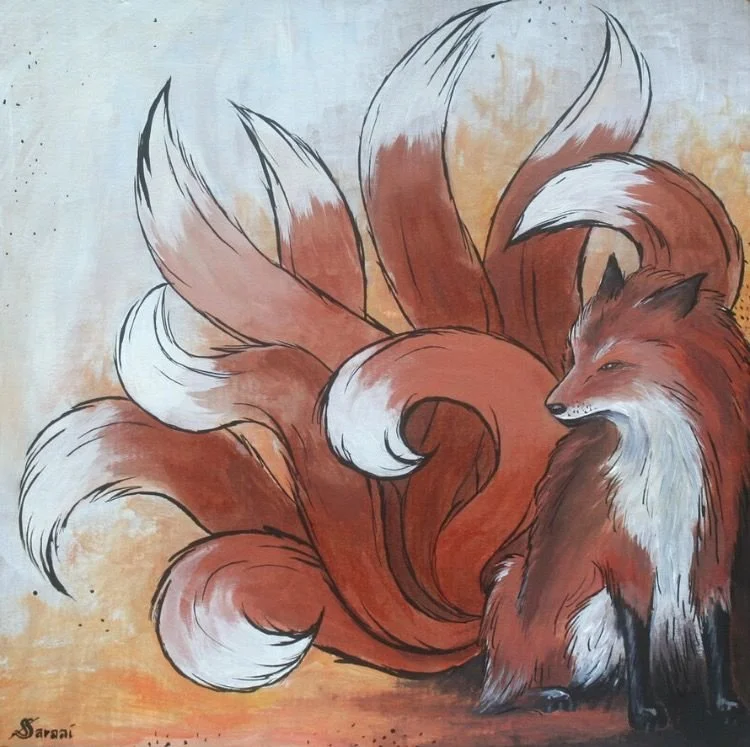
There he met a red-haired man seated beside a fire, roasting apples upon a branch.
“Well met, traveler,” said the red-haired man. “You seem to have many crafts. I see a bell and good bread. Do come and sit with me!”
Farzaad took the invitation with glee, for his feet were very tired. He knew at once that this was no mortal traveler, for the fire gave no heat, and the apples cast no scent.
“Tell me your name, and I shall tell you mine. We shall be good friends, indeed.”
“I am called Farzaad,” he said.
“I am called Aodhán,” said the red-haired man. “Are you only called Farzaad?”
Farzaad considered this. “That is what I have offered to you.”
The red-haired traveler smiled. “Then tell me, Farzaad, are you going to the Lucent Court?”
Farzaad stared at the fire, which gave off no heat. “I am walking in that direction,” he said.
“Will you promise not to harm me?” asked Aodhán.
“I have no desire to harm you,” said Farzaad.
Aodhán frowned. “That is not a promise.”
“No,” said Farzaad. “It isn’t.”
Aodhán asked him again, “Will you promise not to harm me?”
Farzaad answered, “I will not harm you unless you first seek to harm me.”
And a third time, Aodhán asked, “Will you promise not to harm me?”
Farzaad looked into Aodhán’s eyes and found they were those of a fox, bright like fire. “For the third asking,” he said, “I answer plainly: I will not harm you, and I will not permit you to harm me.”
At once, the fire went dark. Aodhán became a great fox with nine tails, each tipped in silver flame. “How know you that the third answer must be true, and how know you that the truth need not be foolish?”
“I listen to stories,” Farzaad shrugged with a smile.
The fox, Aodhán, laughed so hard that the trees moved aside in embarrassment. “Go on, little bell-maker,” it said. “You have given me sport without giving me your throat.” Then it offered Farzaad a silver apple.
Farzaad bowed. “What is desired in return?”
The fox blinked. “Nothing.”
“Then I cannot take it. Nothing is given for nothing in the Fairer Lands.”
The fox considered him for a long while. Then it bit the apple in half and ate one portion itself. “Now it is shared,” it said. “And you owe me no debt.”
So Farzaad ate the other half and pressed onward.
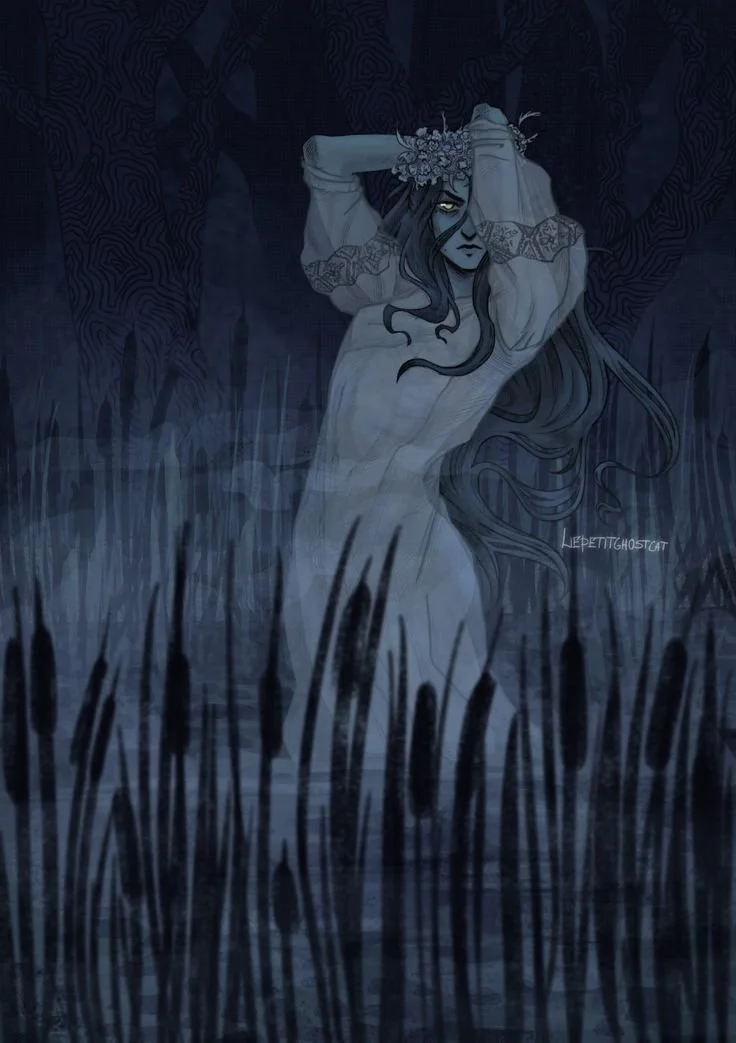
Beyond the Untamed Court lay the Veiled Court. There, the sky was neither day nor night, and the road was made of sleeping faces. Off the path, Farzaad saw his sister, Talimue, standing beside a black pool, wearing a silk gown.
“Sister!” he called.
But she turned, and he saw that her eyes were full of stars. “Brother,” she said, “you have come too late. I have been promised to the Lord of the Lucent Court.”
Farzaad felt his heart grow cold, but he did not run to her.
“Promised by whom?” he asked.
“By me,” said Talimue. “I promised that I would remain here forever.”
“Did you make that promise freely?”
“I was given a cup of wine.”
“And what did you offer in return?”
“I said I would give anything to wake from my sorrow.”
Farzaad looked at the black pool. In its water he saw not Talimue’s reflection, but a thousand versions of her: laughing, weeping, old, young, crowned, buried, and sleeping beneath the earth. Farzaad had heard of this. The Veiled Court had not taken her by force, but had taken hold of a word spoken in grief. Farzaad noticed another woman standing beside the pool, robed in fog.
“You may have her,” said the woman robed in fog, “if you can answer a simple question. What is a promise worth?”
Farzaad thought long. Finally, he replied, “A promise is worth as much as the understanding of the one who makes it.”
The woman’s eyes sharpened. “Then you say her promise is nothing?”
“No,” said Farzaad. “I say a person who says ’anything’ does not name a thing. A bargain without a known price is not a bargain, but is only hunger wearing the mask of agreement.”
The woman’s veil of fog stirred. “Who are you to speak so boldly before the Veiled Court?”
“I am no one before your Court,” said Farzaad. “But I know that a promise must be heard before it can be kept.” Then he rang the bell he had crafted. Its note passed over the black pool, but Talimue’s reflection alone did not answer the sound. “It is true she accepted your gift,” Farzaad continued. “And she owed a return. But a return must be named, as I named a song for water and a story for honey. You cannot take a life from a word that does not know its own weight.”
The gown of silk fell from Talimue’s shoulders. She sank gently onto the shore, sleeping as she had slept in her father’s house. Farzaad carried her from the Veiled Court. He was gentle with her and kept her safe from all harm, even though she was not all there.
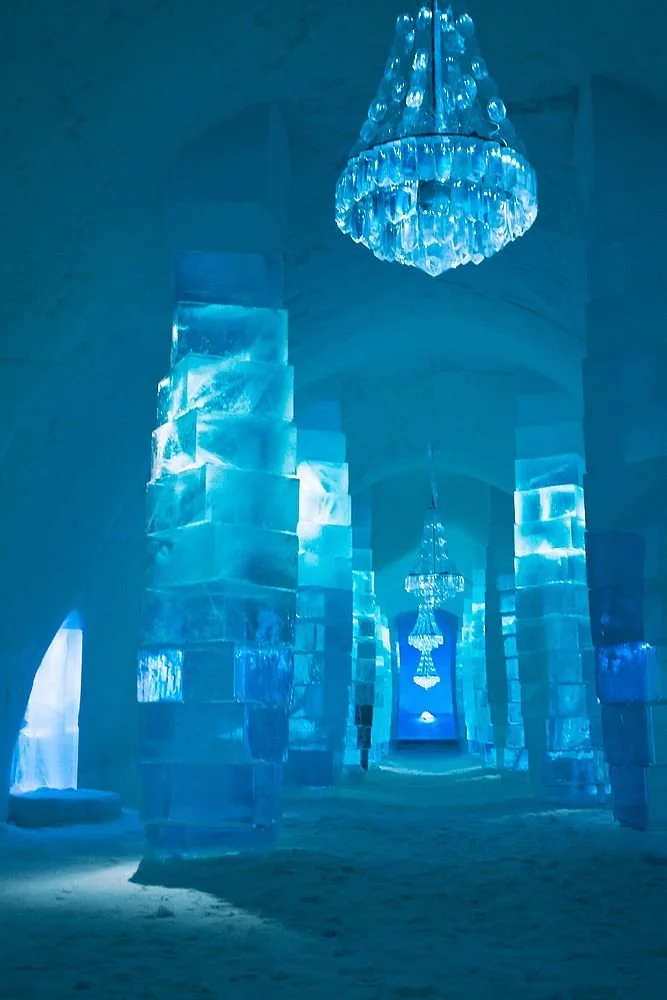
Farzaad passed then into the Hibernal Court, where snow and frost blanketed all. There, the barbegazi looked at him from the slopes, and pale spirits offered him shelter in halls of ice. They offered to let him come in and warm himself, but no warmth came from the open doors of the halls. “What must I give for such hospitality?”
“We only ask you to stay until morning,” they said.
But Farzaad had the stories well in mind. For no true morning arrives in the Hibernal Court. So, Farzaad took his third reed and made a small flute from it. He played a tune his sister had sung when they were children, a tune about returning home before the first snow. The sound moved through the ice halls. The barbegazi began to weep, for they remembered springs they had never seen.
At last, the eldest among them said, “You may pass. But please, oh please, leave us the song!”
Farzaad answered, “I will leave you the song if you promise to sing it only for those who seek shelter, and never to keep a traveler past the road’s true morning.”
The elder barbegazi gave its promise once, twice, and even thrice. Thus, the Hibernal Court opened its white gate, and Farzaad came at last to the Lucent Court.
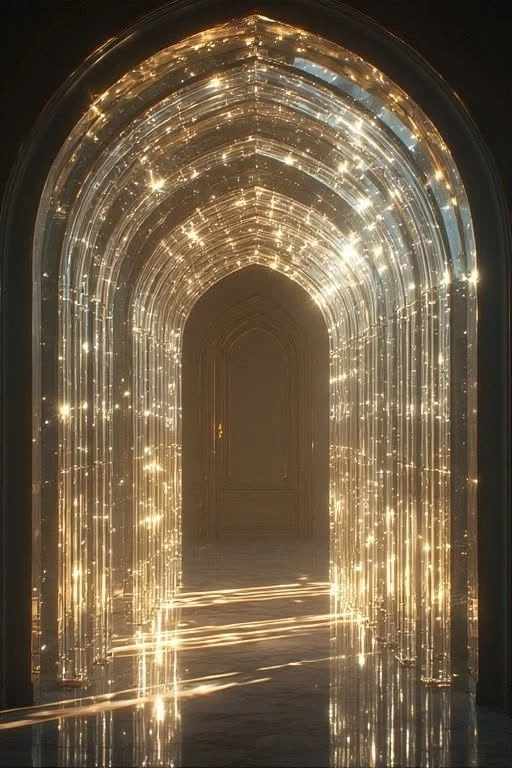
Within the Lucent Court stood towers of glass and gold, rising among clouds bright as feathers. In the highest hall sat the Archfae Lord, whose beauty was such that no one could deny he was descended from a Vaelhyri. Around him gathered winged folk, bright spirits, and fairies crowned with dawn.
At the Lord’s right hand lay Talimue’s shadow, folded small as a sleeping bird. “Farzaad,” said the Archfae Lord. “You have come through five courts and have neither been trapped, devoured, crowned, nor turned into a tree. You must be very clever. Why have you come?”
“My sister’s shadow,” said Farzaad, with great confidence.
The Archfae Lord smiled. “You may have it if you give me your finest craft.”
Farzaad placed his little bell upon the floor. “This is my finest bell.”
The Archfae Lord scoffed. “It is a poor thing.”
“It is the finest bell I possess.”
The Lord leaned forward. “And if I demand a better one?”
“Then you may demand it,” said Farzaad. “But I have promised no such thing.”
A hush fell over the hall. The Archfae Lord looked at the bell, then at Farzaad, and then at the sleeping shadow beside him. “You have not asked my name,” he said.
“Nor will I,” said Farzaad. “I have no wish to carry what I am unable to safely hold.”
The Lord’s expression changed. For the first time, something like respect passed over his face. “You have not begged. You have not boasted. You have not taken what was not freely offered. You have named every gift, weighed every debt, and spoken truth when a prettier lie would have served you better.” Then the Archfae Lord lifted Nima’s shadow and set it gently in Farzaad’s hands. “Take her,” he said.
Farzaad placed Talimue’s shadow upon her breast. At once, she breathed deeply, opened her eyes, and called him by the childhood name only she had used.
Together, they departed the Fairer Lands before dawn.
It is said that Farzaad’s little bell remained in the Lucent Court. It hangs beside the Archfae Lord’s throne, and it rings whenever a faerie tries to make a bargain whose price has not been spoken aloud.