
The Seraphine Claim
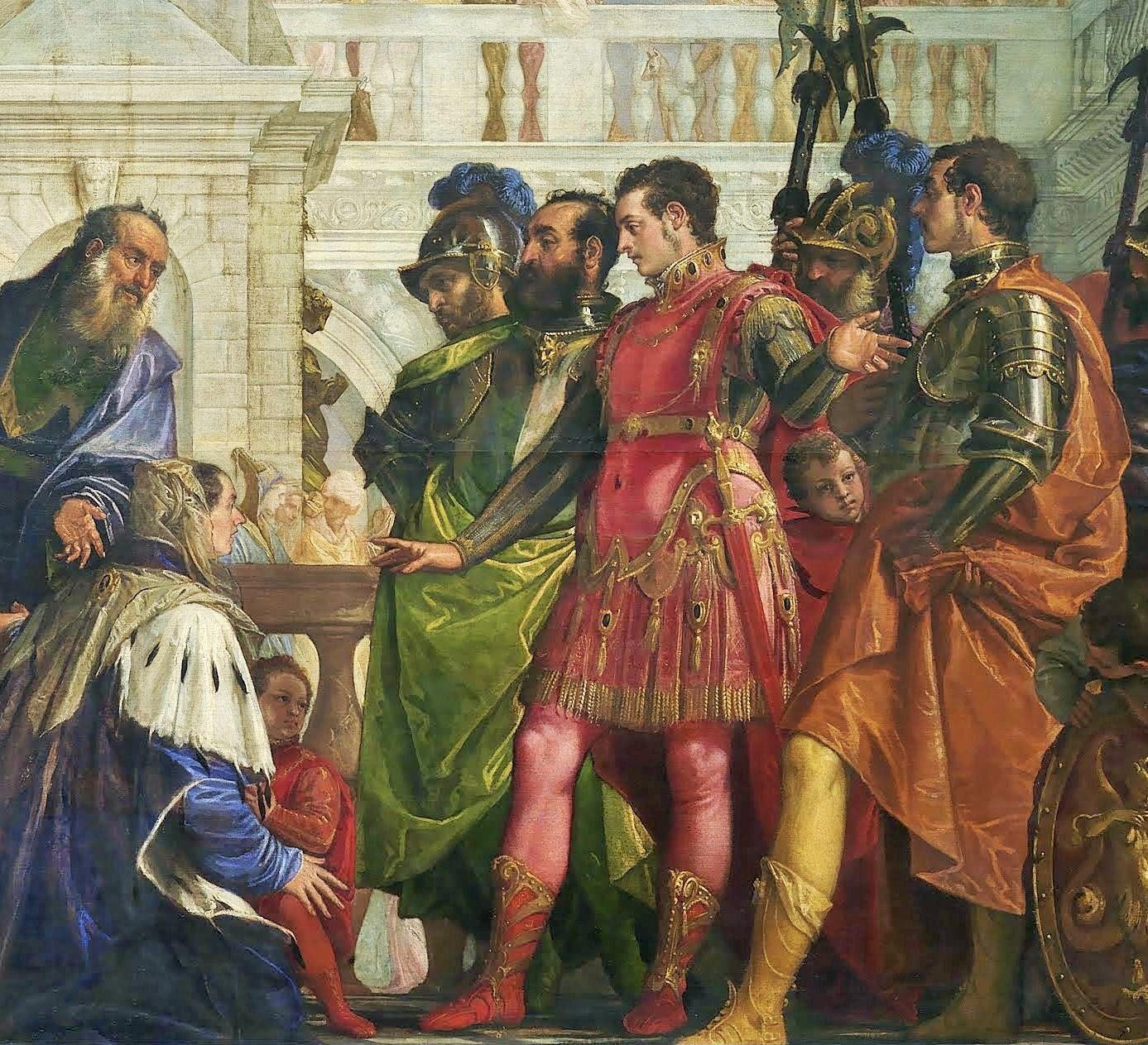
Those descended from High Queen Serana and her daughter, Princess Seraphina, have long maintained that theirs was the branch of House Fyrstrum better suited to rule. According to this tradition, Serana alone among the descendants of High Queen Estarielle and Drakemnos Ioannidis preserved the dignity and responsibility of her birthright, while the line that ultimately retained the Crown repeatedly brought calamity upon both the dynasty and the realm.
The dispute traces its origins to Estarielle’s daughters, Princess Fyrienne who became High Queen after Estarielle, and Princess Elysia. High Queen Fyrienne’s first marriage to Aardhys of Cape Ire proved unsuccessful, as Aardhys died a premature death from fever. Fyrienne married again to Ontuven of Calistor, with whom they produced a male heir, Fyrenzo. Princess Elysia married Lord Orron of Verdant Bay and also produced only male heirs, Geon and Kaemon. Under the matrilineal laws of succession, neither prince could himself inherit the Crown; the dynastic line would instead continue through whichever brother first produced a daughter eligible to enter the succession.
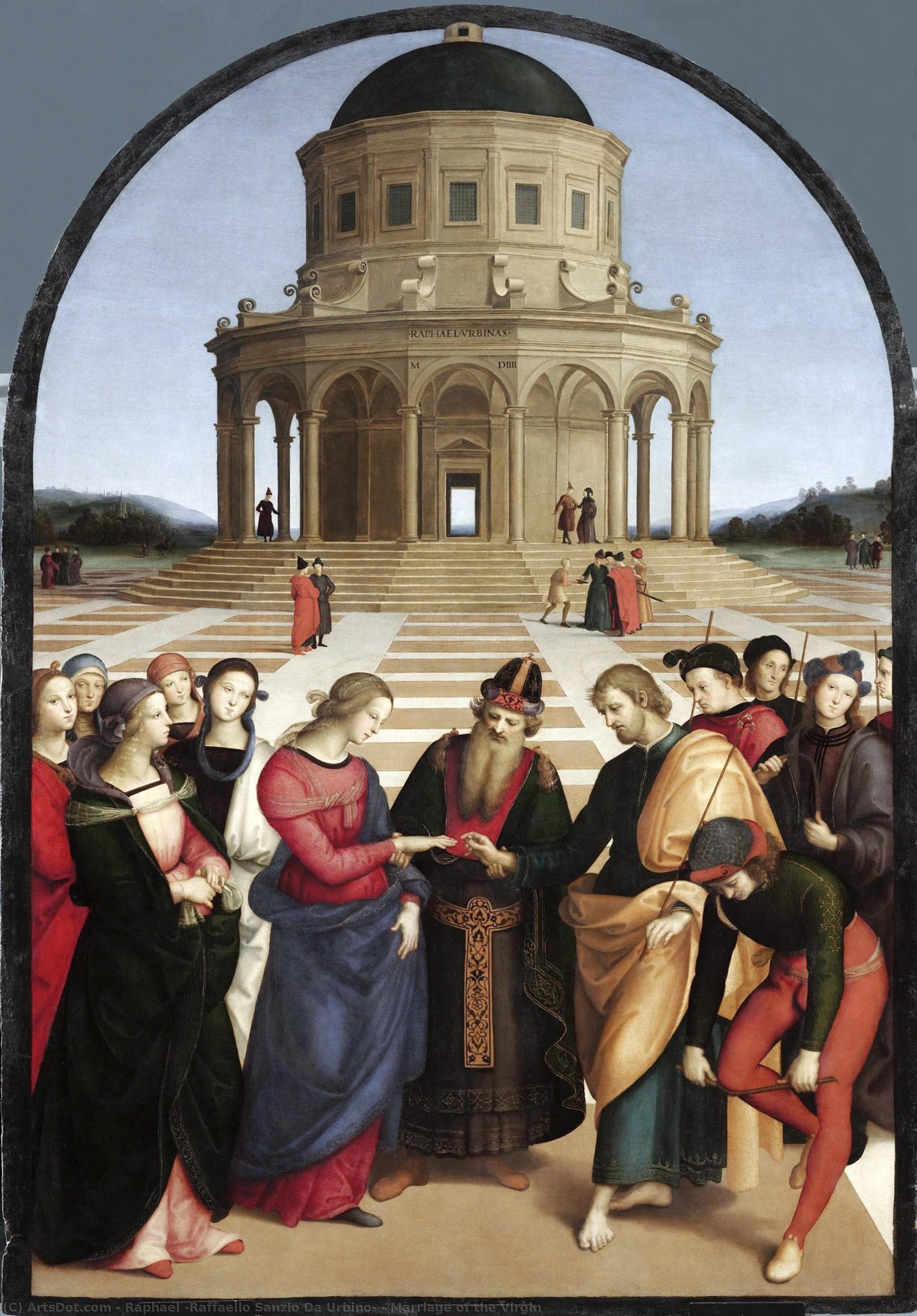
Of the two, Geon was generally regarded as the more temperate. Contemporary accounts describe him as accomplished in matters of court and well acquainted with the political customs of the realm. Kaemon possessed a considerably different reputation. He was remembered as headstrong, coarse in speech, and contemptuous of convention. Most controversial were his simultaneous unions with three women: Margaretta of the Jade Basin, Penelope of the Golden Delta, and Vaelyrie of the Viridescents. Under pressure from his mother, Princess Elysia and his father, Lord Orron, Kaemon was compelled to recognize a single wife and ultimately chose Vaelyrie, or as the line of Serana would call her, “The Royal Tart.”
The subsequent fates of Margaretta and Penelope became the subject of considerable suspicion. Both women disappeared from the historical record under uncertain circumstances, giving rise to persistent rumors that they had been murdered after learning matters concerning the Crown through Kaemon and subsequently being cast aside by him. No surviving evidence has ever conclusively established their fate, though later opponents of Kaemon’s descendants frequently repeated the allegations as evidence of corruption within his household.
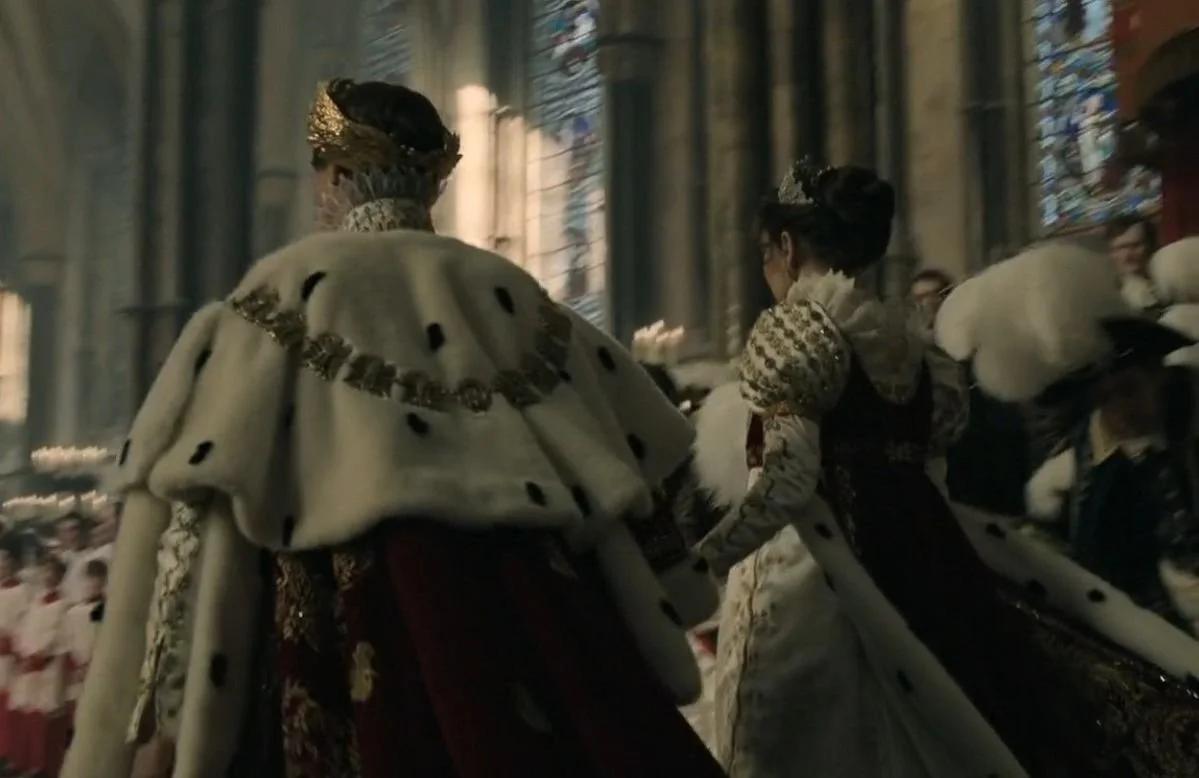
Geon eventually fathered Serana, who would herself become High Queen. Yet the decisive dynastic advantage had already fallen to Kaemon: his first recognized child by Vaelyrie was a daughter, Arilia, placing Kaemon’s descendants ahead of Geon’s in the continuation of Estarielle’s line. Arilia likewise ascended as High Queen, and through her the branch of Kaemon and Vaelyrie established the line from which the reigning dynasty descends.
For Serana’s descendants, however, this accident of birth became the beginning of a much darker historical interpretation. Serana’s firstborn son, Prince Alystair, married Sunstrider Madel-Zei of Aruvaen Tribe, a Thraelli woman. This interspecies mingling was half seen as a beautiful union of two peoples, and half seen as a horrific affront to Humans and the dynasty. They, along with their three children, even after the children had grown into adulthood. Serana’s secondborn was also a son, Prince Taavysh, who married Lady Telaine Molivanus yet died in the plague before conceiving children. This left Princess Seraphina and her marriage to Prince Thibault K'meriatl of Hallowood as the one to carry on the line should anything happen to the other branch of the family tree.
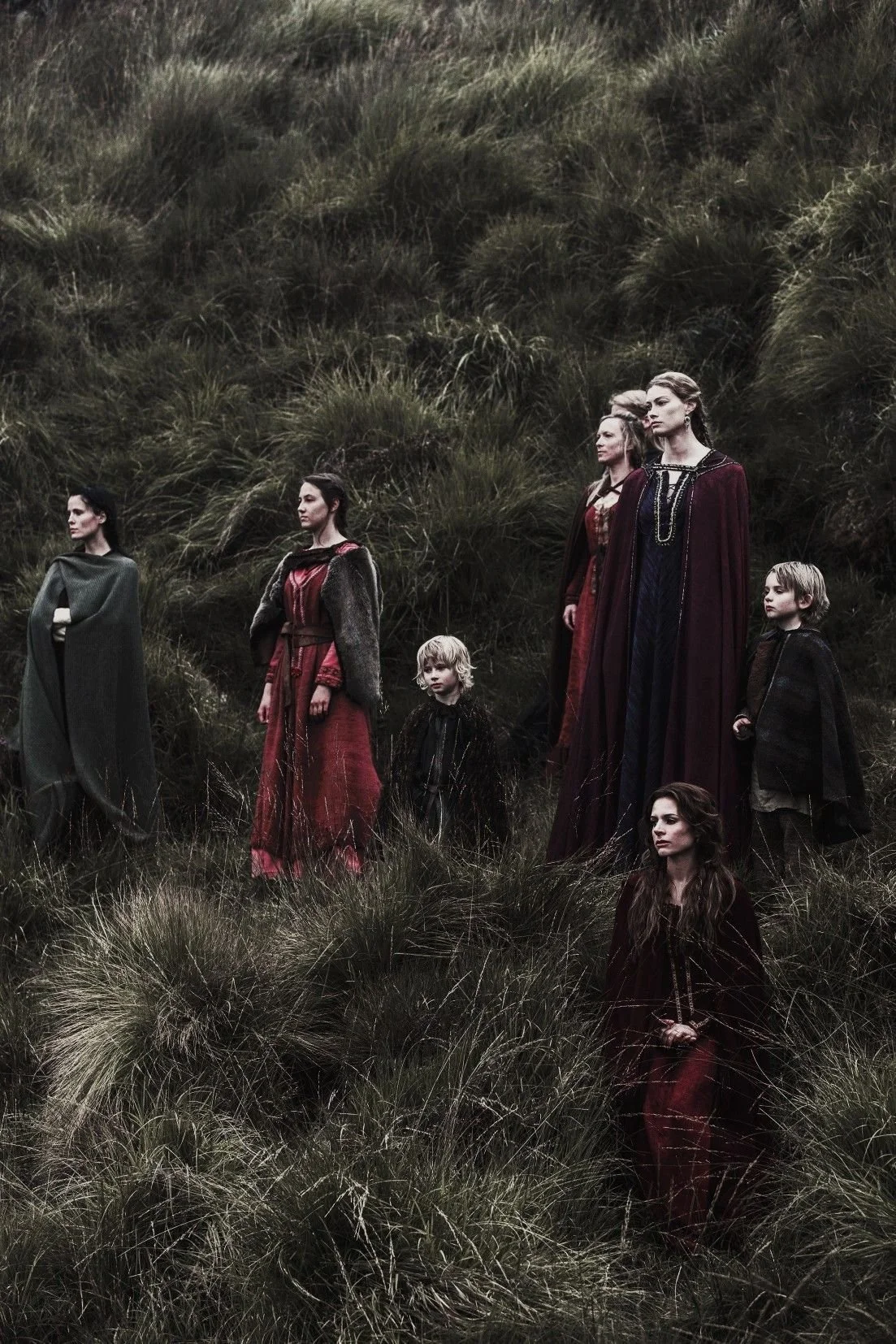
Over succeeding generations, adherents of the Seraphine branch came to portray the misfortunes of the dynasty as evidence that Kaemon’s line had been ill-fated from its beginning. Arilia died after being struck by lightning, an extraordinary death that later generations interpreted as an omen of divine displeasure. Kellivere became infamous for her abuse of sorcery and her refusal to relinquish power. Hiether instituted the First Mage Purge. The reign of Erthur witnessed the Novarian Civil War. Lilith transformed the religious order of the empire and presided over its great confessional division. Resilia II, in turn, led the realm into the War of Horrors.
Eventually, the argument extended even further into the past. Seraphine chroniclers attributed the great plague of the 1770s to what they called the Curse of Kaemon, noting that High Queens Arilia, Elena, and Lucia were all direct descendants of Kaemon and Vaelyrie. In its most extreme form, the tradition held that the dynasty had been cursed from the moment Kaemon’s daughter preceded Geon’s into the succession, and that every great catastrophe thereafter represented another consequence of the Crown having passed through the wrong branch of the royal house.
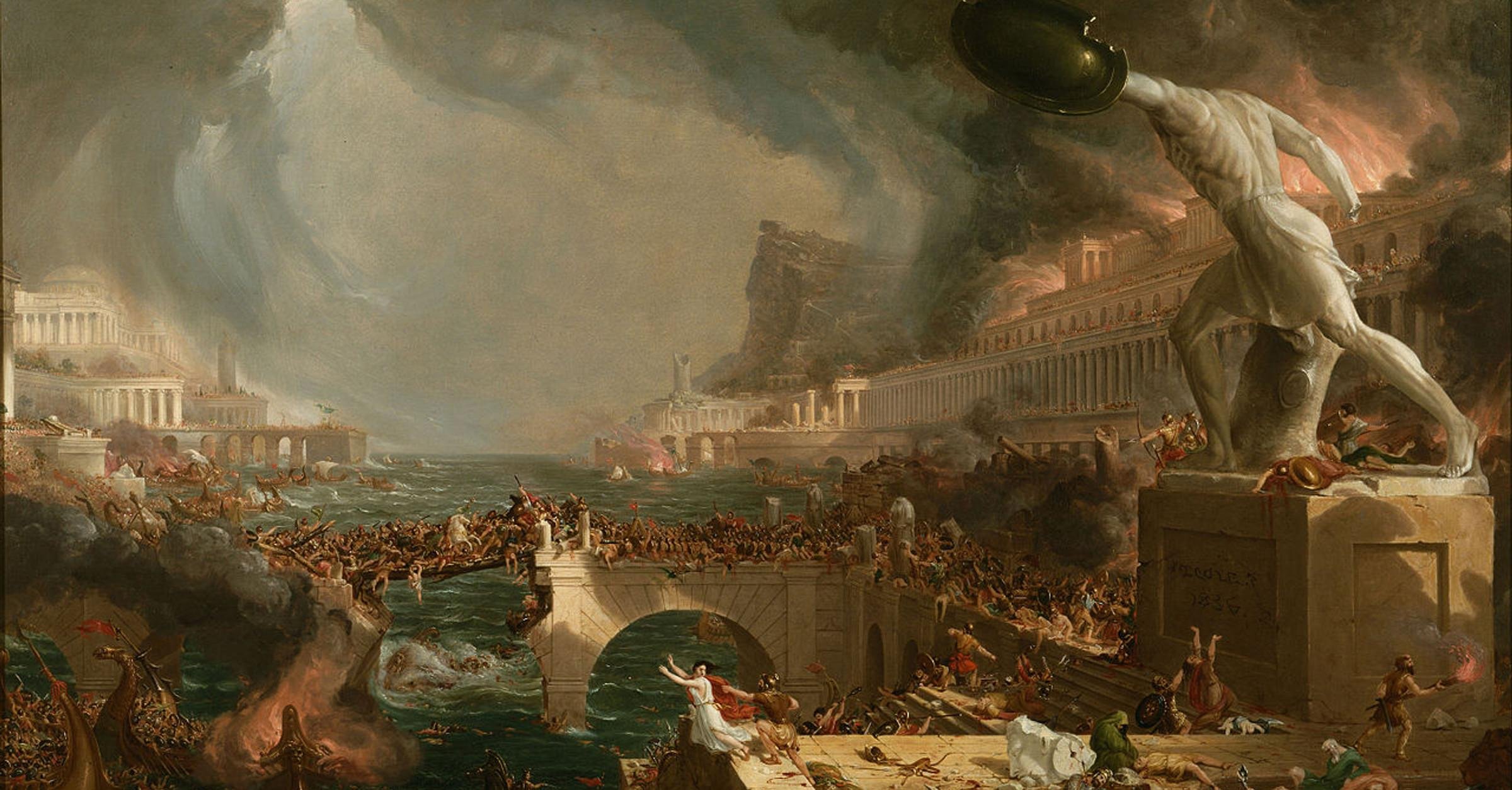
No such curse has ever been demonstrated, and historians remain divided even over how seriously Serana’s earliest descendants themselves entertained the belief. What is certain is that the idea survived for generations. To the ruling branch, it was little more than the grievance of relatives whose ancestors had lost a contest of succession through circumstance of birth. But the line of Serana sincerely believes that the ruling side of the tree has caused nothing but trouble for the crown and for the realm.