Curses
The darkest form of magic upon the world of Oliel next to jinxes and hexes.
Curses are supernatural afflictions brought about through magic, divine or spiritual influence, corrupted forces, or deliberate acts of sorcery. Unlike ordinary maladies and very unlike the myriad of spells and incantations, the range of a curse’s effects range from temporary discomfort to permanent transformation and death.
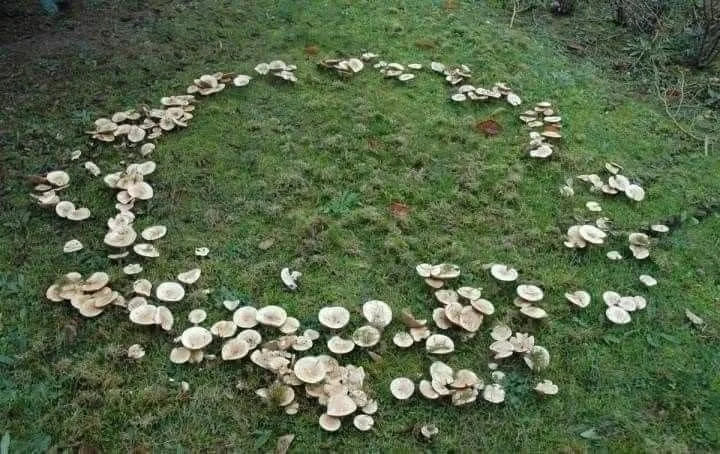
The means by which a curse could be acquired varies considerably. Some are deliberately placed upon an individual, family, or population, while others could be contracted through contact with cursed persons, creatures, objects, or places. Certain curses pass from one victim to another and behave much like contagious disease. Others arise only when particular conditions are fulfilled, such as crossing a fairy ring, while some become bound to bloodlines and might persist across generations.
Contents
1. Background
2.1 Cooties Curse
2.2 The Gilded Death
2.3 Fairy Fever
2.5 Vampire Curse
2.5.1 Rules for Vampires
2.6 Werewolf Curse
2.7 Zombie Curse
Background
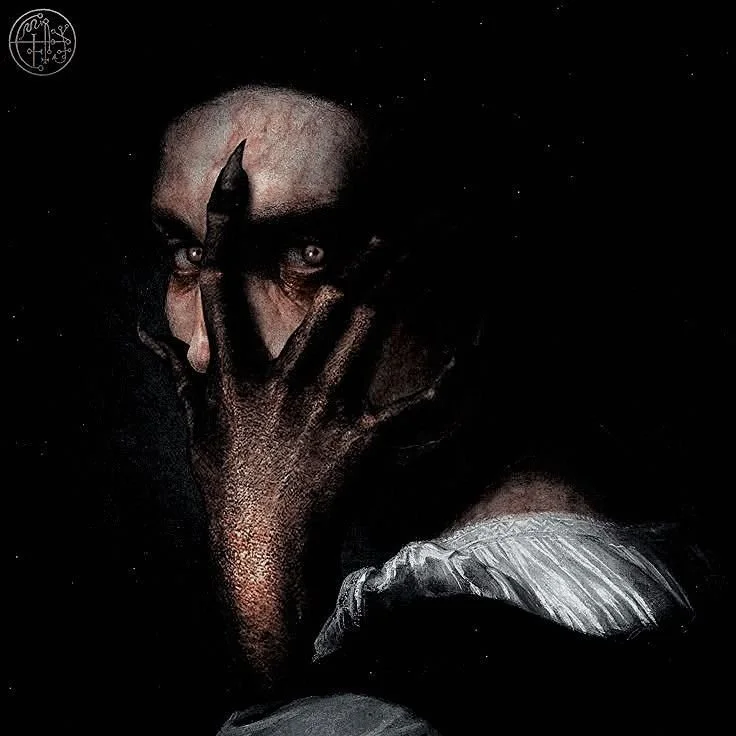
The distinction between a curse and a natural malady has not always been immediately apparent in the Realm of Patalia. Fairy Fever and Sorrowbloom produced recognizable symptoms of illness, while the Gilded Death spread among populations in the manner of an epidemic. More severe curses could fundamentally alter their victims, as occurred with Zombification and the curses associated with werewolves and vampires.
A curse might be delivered via incantation or ritual, which requires a combination of specific components and abilities. Other curses are cultural and held with belief, such as the nomadic Grokari of Hearthmiel, who are bound to the land, believe that if a curse or transgression is allowed to grow and fester, it poisons the land itself.
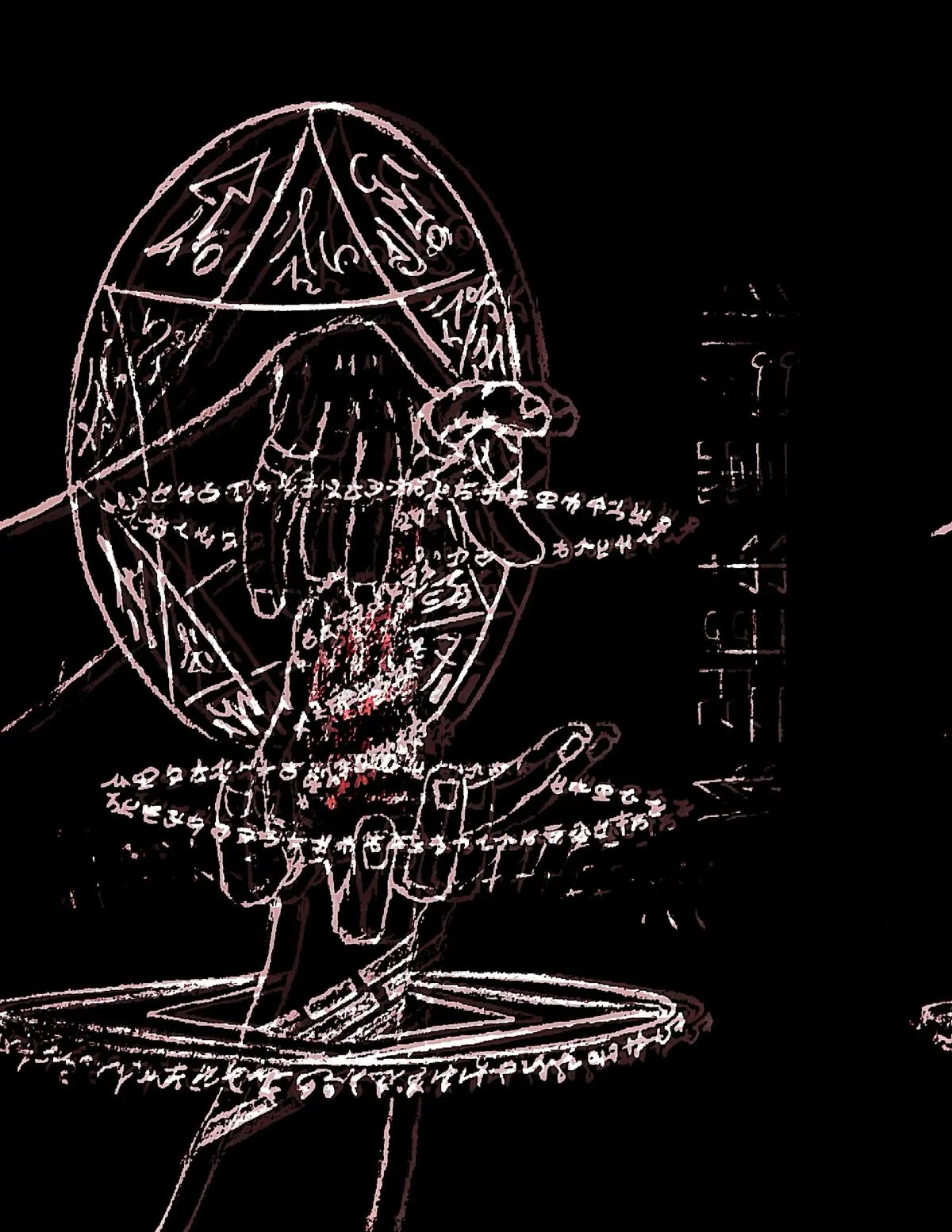
Removing a curse depends greatly upon its origin. Healing magic and ordinary medicine can sometimes alleviate symptoms without destroying the curse itself. Others require the conditions sustaining the curse to be broken, reversed, or fulfilled. Particularly ancient or powerful curses are believed to become woven into the afflicted person so completely that no distinction could easily be made between the curse and what its victim had become.
A branch of the Fyrstrum Dynasty family tree believes in the Curse of Kaemon, believing that the dynasty had been cursed from the moment Kaemon’s daughter preceded Geon’s into the succession, and that every great catastrophe thereafter represented another consequence of the Crown having passed through the wrong branch of the royal house.
There are curses that are capable of being imbued within objects and artifacts, or even upon a dwelling. For example, a tomb might be protected against those who might steal from it, or a necklace might contain a curse within its gems in order to assassinate a particular person. Then there are curses that are hidden behind a lexicon, bound to words and even frequencies of music, should a wielder of magic proceed with ill intent.

For this reason, scholars traditionally distinguish between curses of affliction, which impose suffering or disease upon the victim, and curses of transformation, which permanently alter the nature of the afflicted. Some curses belong comfortably to neither classification.
Cooties Curse
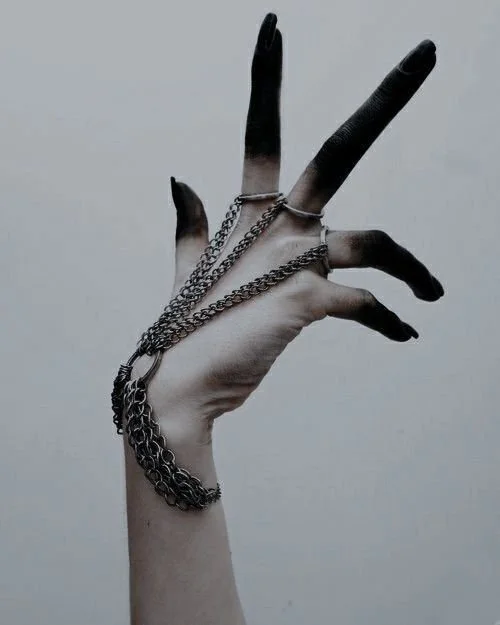
The Cooties curse is a minor contagious curse most frequently encountered among children and adolescents, though adult cases are occasionally recorded. It is most recognized by black tipped fingers, or what some have called ‘Witch Fingers.’
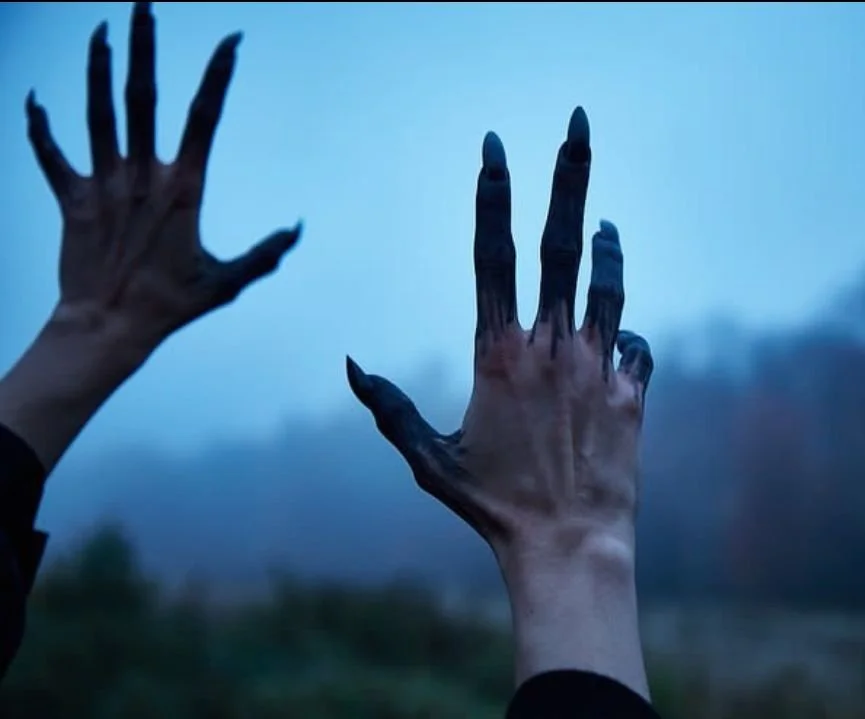
Transmission traditionally occur through physical contact with an afflicted person. Shortly thereafter, the victim develops intense itching, crawling sensations beneath the skin.
The fingertips will slowly turn black as though dipped in soot or ink. Sometimes there could be scattered red spots over the body. Most times, there will be an overwhelming conviction that tiny creatures are moving through the victim’s hair and clothing.
The victim develops a phobia of being touched if untreated.
The Gilded Death
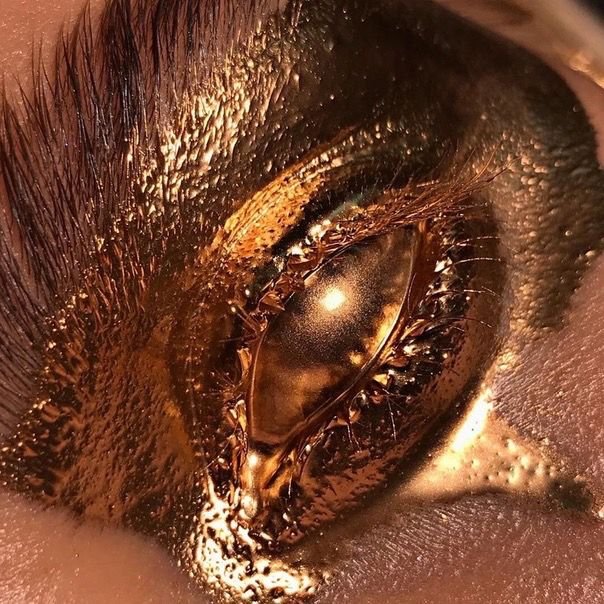
Gilded Death spread primarily through close exposure to the breath, blood, saliva, and other fluids of the afflicted. During the later stages, patients shed minute golden motes from the skin and respiratory passages. These particles might linger upon bedding, clothing, drinking vessels, furnishings, and personal possessions. The dead were particularly dangerous. The body, now a golden shell, continued to harbor the contagion after death and gradually became brittle. Washing, moving, dissecting, or otherwise disturbing a corpse might release clouds of fine golden dust capable of infecting those nearby.
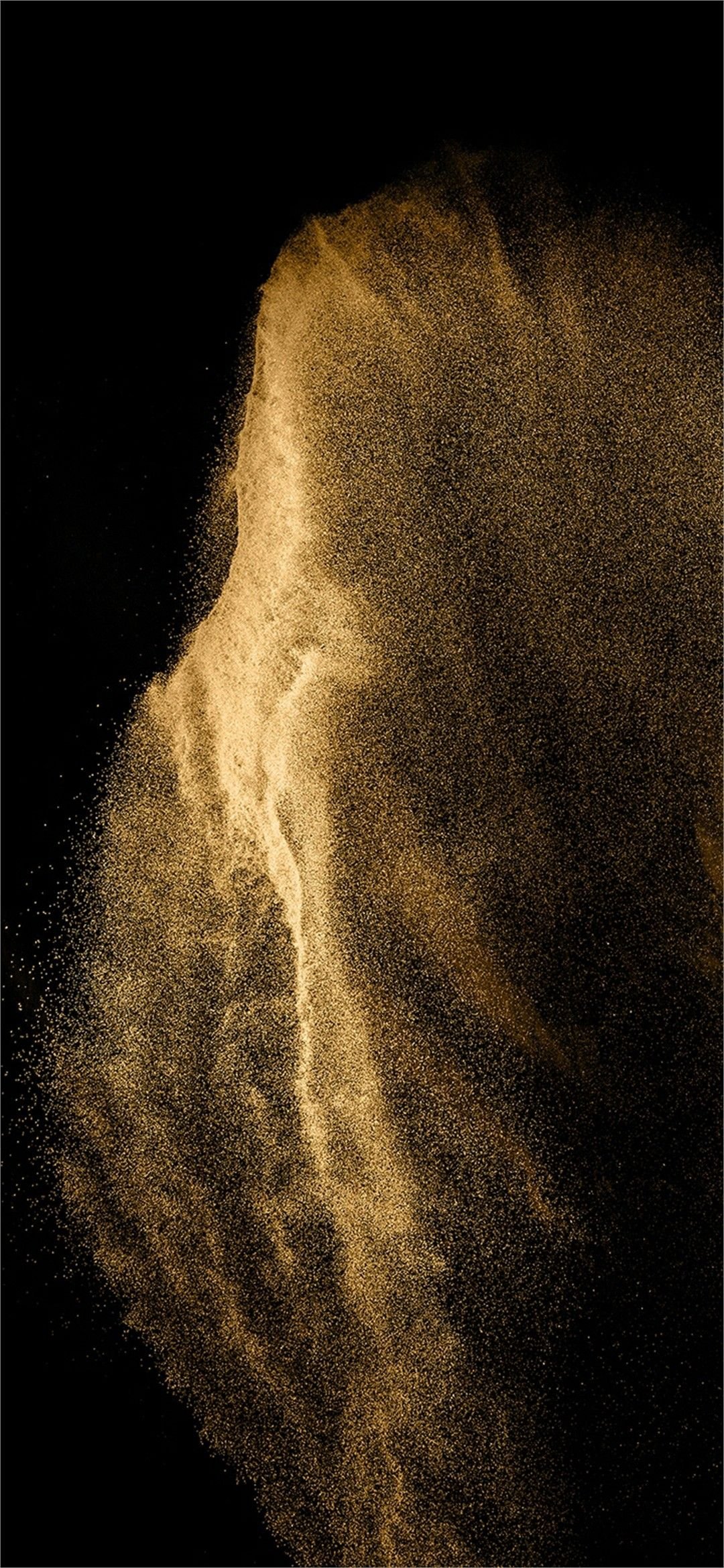
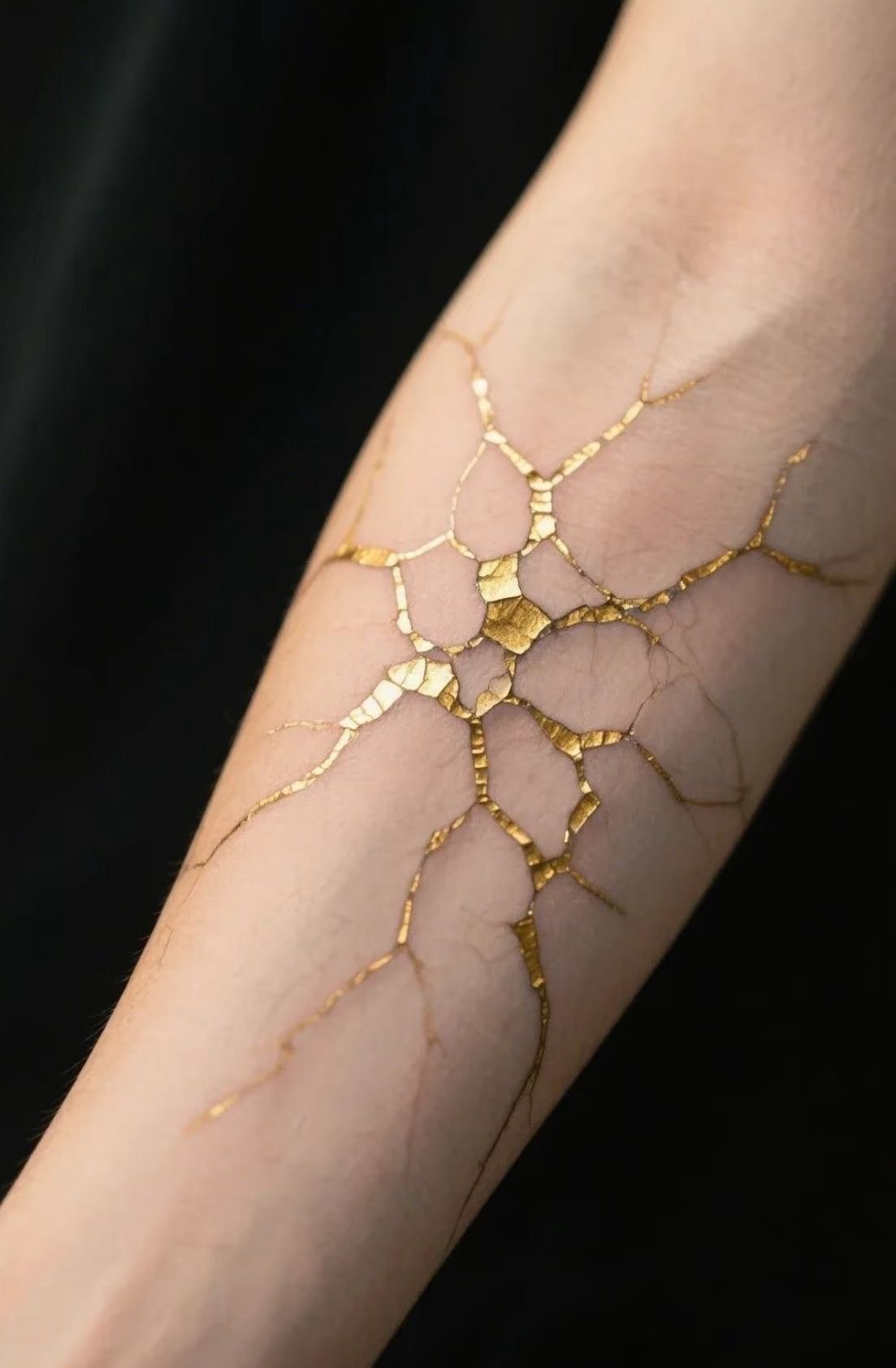
Patients began with symptoms of fever, headache, aching joints, shortness of breath, and an unusual metallic taste upon the tongue. Within several days, patients developed a faint golden discoloration around the eyes, lips, fingertips, and nail beds. This coloration gradually spread beneath the skin until the afflicted appeared dusted with gold with discoloration becoming increasingly brilliant. The skin tightened and hardened while retaining the contours of the body beneath it, producing the unnatural impression that the sufferer had been painted or ‘gilded.’ Internal organs deteriorated rapidly and liquefied tissue accumulated within cavities concealed beneath the increasingly beautiful exterior.
A highly contagious plague concocted by a cabal of powerful dark sorcerers distinguished by the progressive coating of the body and the extraordinary preservation of the patient’s outward appearance after death.
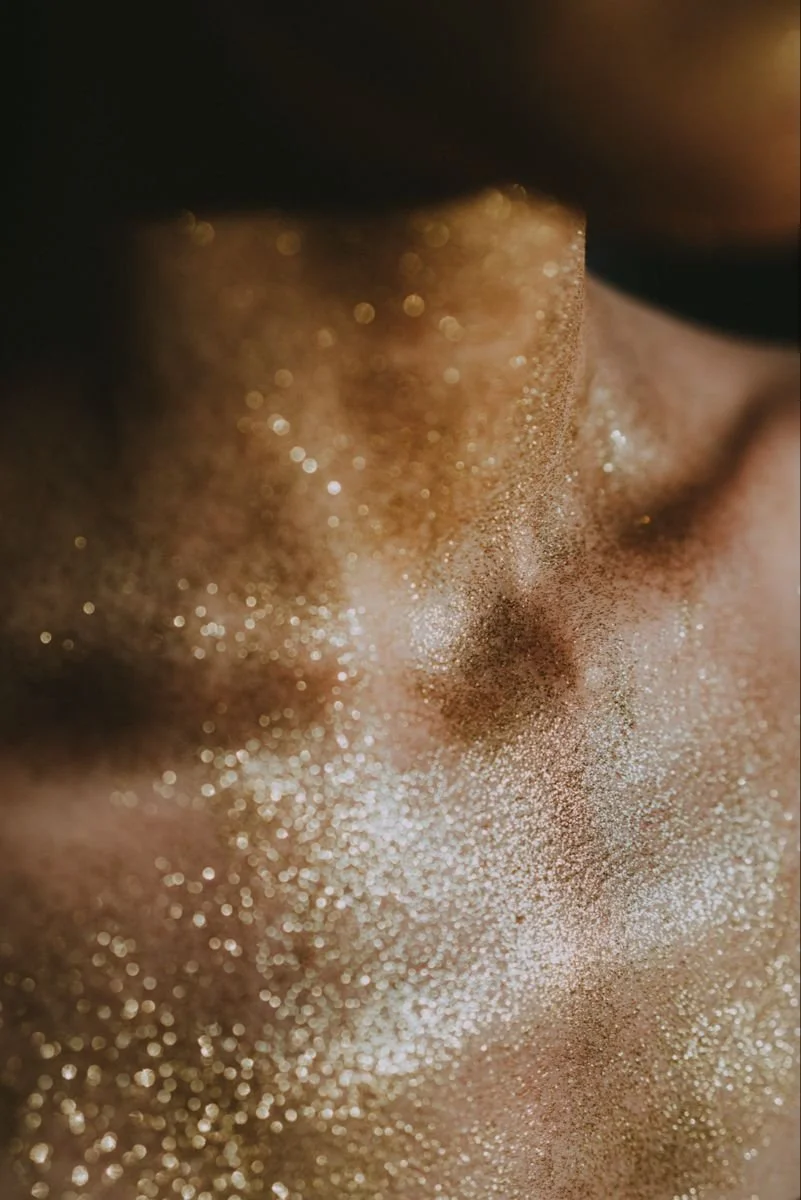
For this reason, outbreaks frequently intensified following funerals. Although direct contact with gold had never been demonstrated to cause Gilded Death, contaminated coins and jewelry handled by the afflicted might nevertheless carry infectious matter.
Fairy Fever
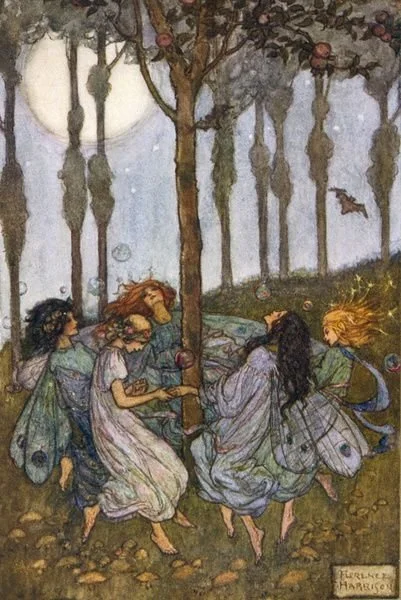
Temporary but intensely unpleasant magical illness occurring after a mortal crossed an active fairy ring. Symptoms usually began shortly after departure and included nausea, dizziness, painful muscular spasms, chills, sweating, disorientation, and occasionally vivid dreams or hallucinations. The condition generally resolved within several hours, though unusually severe cases might persist for several days. Why some individuals suffered Fairy Fever while others did not remained uncertain.
Hollow Beast Curse
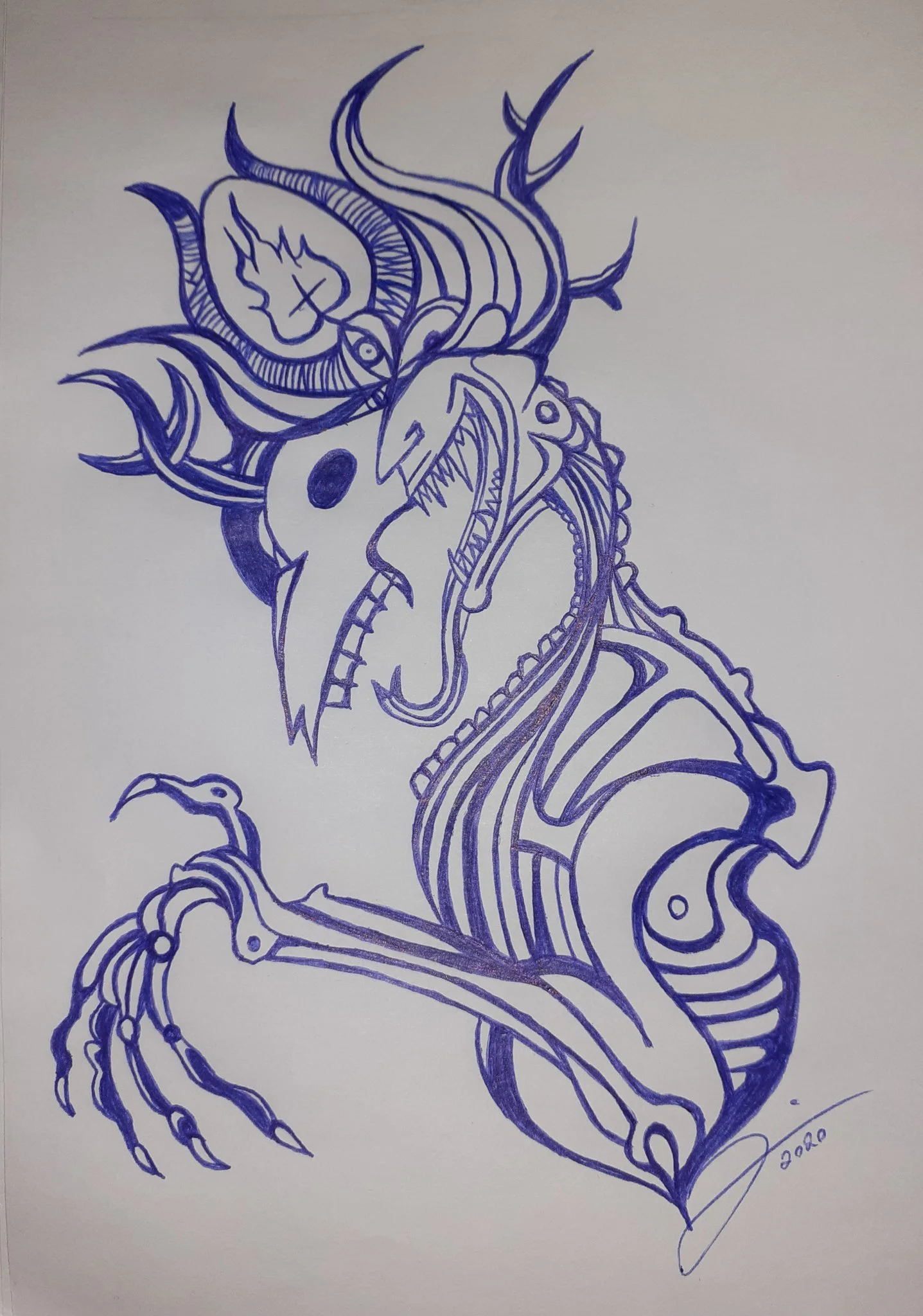
More feared than any dragon or undead. Not some mere creature of the world, a hollow beast was once a mortal, now transformed by the diabolical spirit -or perhaps god- of barren winter and deep wilderness. Ancient, powerful, and one with nature, this gruesome embodiment of greed and famine is capable of possessing people to indulge in shocking selfishness, pillaging, and cannibalism.
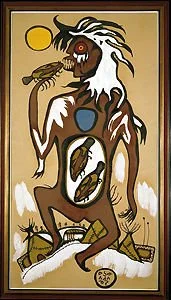
Thraelli legends warn all to stay away from invoking such greed or to eat flesh of a fellow mortal, lest they be changed into a Hollow Beast and their heart turned to ice. There are so few physical descriptions of the spirit, but the ones recorded describe it standing twice as tall as a man, fast as the wind, mummified or emaciated with ash-gray skin, and so hungry for flesh, it chews off its own lips. Some say it is tall as the trees, growing every time it feeds and never full, forever hollow. Even fewer mention antler-like formations and a skeletal, inhuman face. Noted is a passage from a scholar who ventured north and once saw the creature: “Shed tears for the poor soul who falls for the spirit of death and corruption, the devouring abomination, the desecration of mankind…”
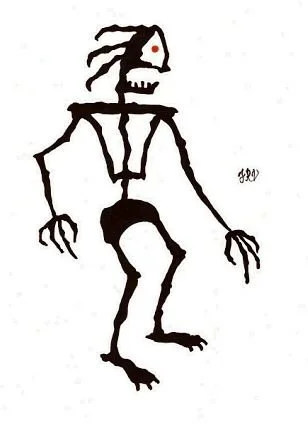
It was a living person who violated sacred reciprocity in hunger or winter, taking life without debt, gratitude, or limit. It hungers to survive after reciprocity has been abandoned. Their appetite becomes a spiritual possession.
Legend tells that the mere gaze upon the creature is doom and mention of its name shall herald its arrival. It is taboo to declare its true name, especially in the Thraelli community, save for warnings for the unaware. Only doom and dread surrounds the one who dares utter the name, Wendigo.
Sorrowbloom
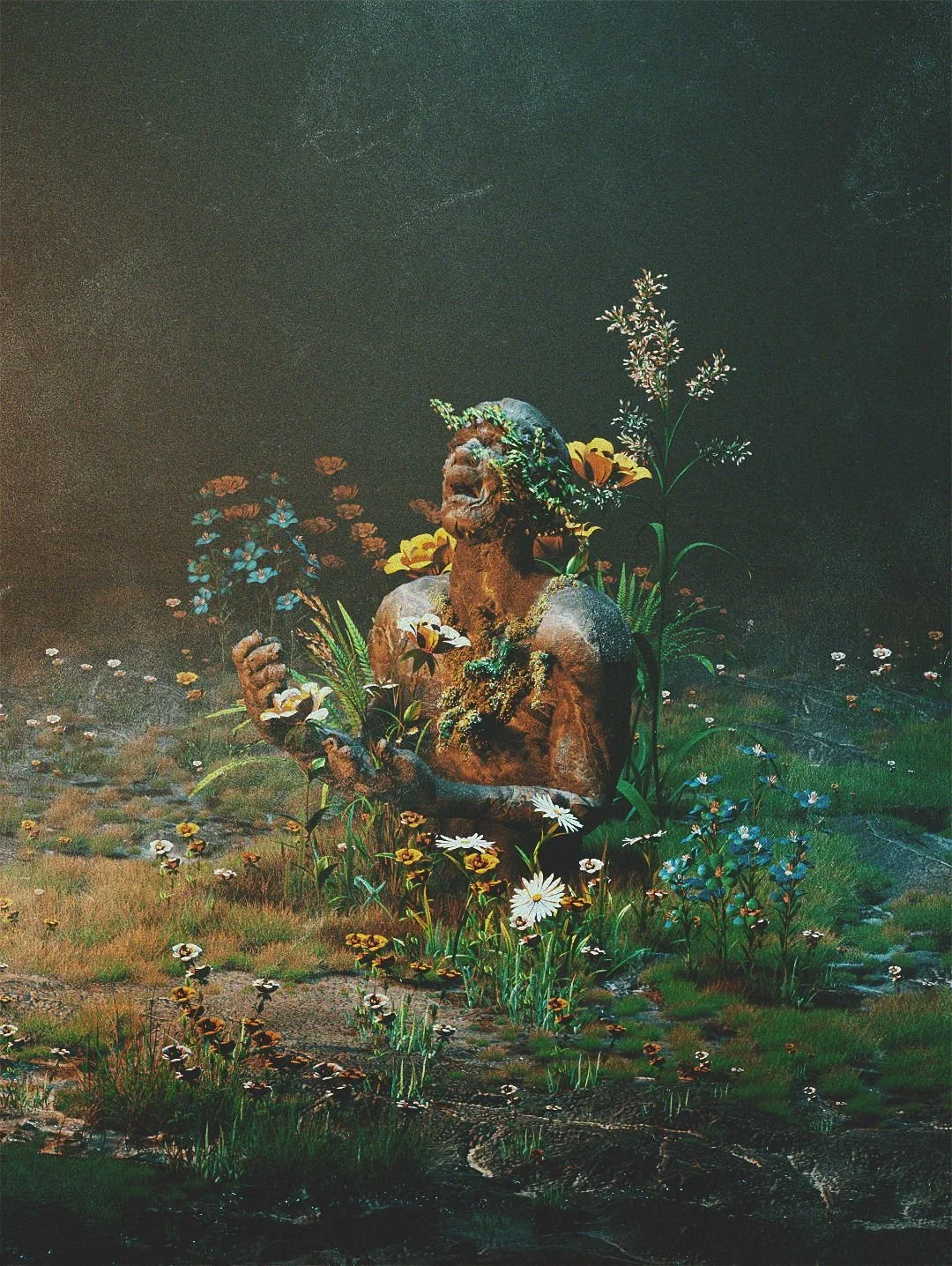
Also called the Petaling, Rose-Lung, or Bloomheart; a rare psychosomatic curse placed upon an individual or inherited through a cursed bloodline, remaining dormant until awakened by profound romantic heartbreak. The curse could manifest either in its bearer following unrequited love, or in an uncursed individual whose heart was profoundly broken by one who bore the curse. Heartbreak involving those who did not already bear the Sorrowbloom curse could not produce the affliction.

As for symptoms, the afflicted first experienced tightness of the chest and throat, followed by the coughing of petals and traces of blood. As the curse progressed, flowering growths took root throughout the lungs and surrounding tissues, their blossoms varying according to the nature of the sufferer's attachment. Advanced cases resulted in respiratory failure as the blooms obstructed the airways and consumed healthy tissue. Contrary to popular belief, reciprocation did not invariably cure Sorrowbloom; the curse appeared to feed upon unresolved attachment rather than rejection itself.
Vampire
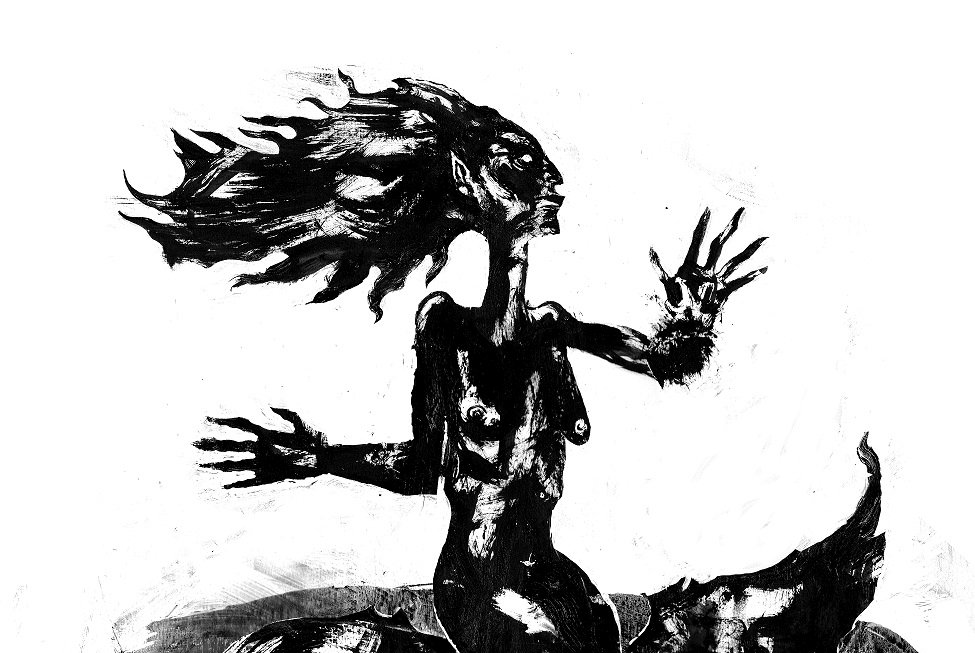
Creatures who go by many names: Adze, Alukah, Jiangshi, Strigoi, Vetala, and more. Not much accuracy is known of the vampire species, save for their lust for blood and their unholy activities in the night. The origin of the vampire myth is shrouded in mystery. As far as anyone knows, they do not exist. Yet every once in a while, an event happens that makes someone believe again. They belong to the Drûshtor Orro’tse, those ancient beings who sprang from the Discordant Overtones of the Chorus of Creation.
A vampire is a former being that preys on others. The blood shed from the genesis of the first vampire became a curse. Blood that sought more blood / bloodlust to never be quenched. All those who are turned from the curse shall too have the unquenchable bloodlust.
Vampires are not merely dead or undead, they are an active refusal of mortality. They are defiant against dying. Vampires are beings that deliberately drink from the waters of life, which is blood, and steal the force and potency of the living soul to escape the end. They hunger to outlast loss by taking life from others.

Rules for vampires:
bound by unspoken rules of consent, therefore must be invited to cross a threshold of a place that someone considers as home; since they refused to cross the threshold of the Veil between life and death
will be rendered weakened and impotent in the light of Ze-Nyt’s heart (the sun); other points of light such as the three moons and the stars are too dim to cause any effect. Since the sin was against the Eternal Fire (Ze-Nyt), fire certainly harms a vampire
a vampire might choose to hunt with wings similar to Vaengye, the first bat, who flew through the underworld to save his friend, but when returned he was forever changed from a rat to a bat. Vampires flaunt their wings so that the insult to the gods might be greater when they drink of life and refuse to cross into the underworld
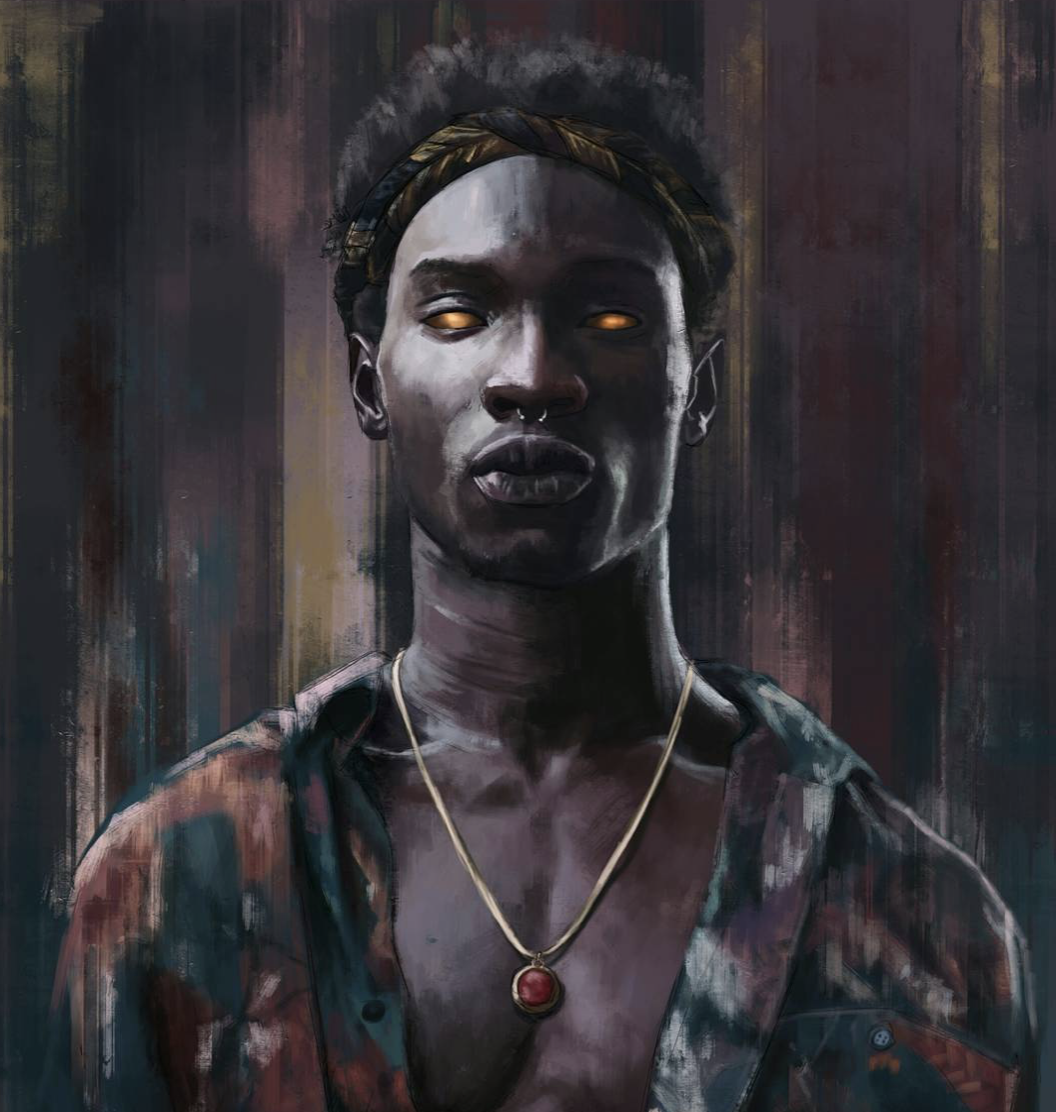
One particular vampire is renowned for his generosity toward mortals and for the making of secret deals. He is known only as Nunta Sânge.
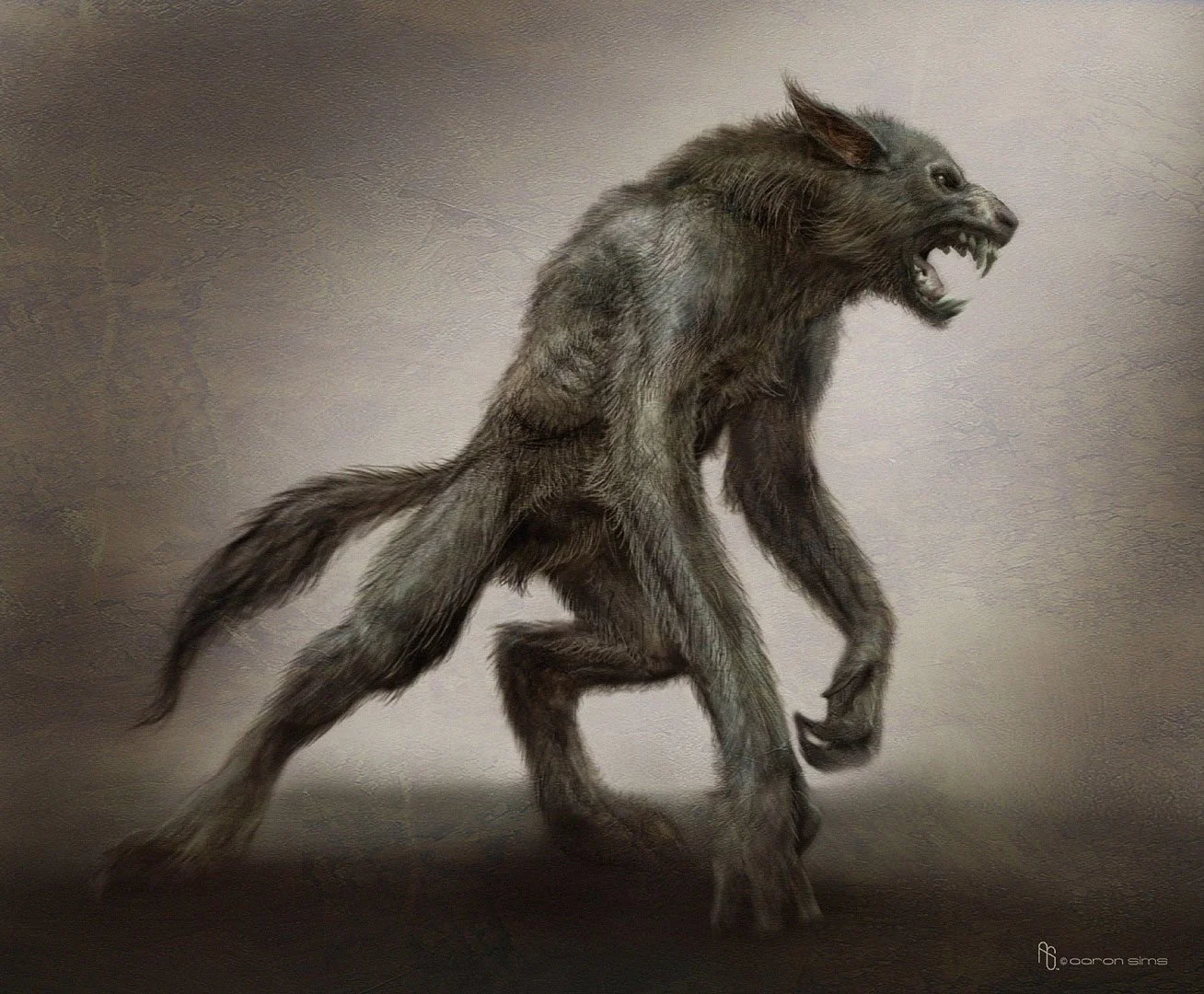
Werewolf
“Heed the tale of the witch who weeps, for vengeance is planted where sorrow creeps. In shadows deep and echoes of dread, revenge is a curse, a path to the dead.”
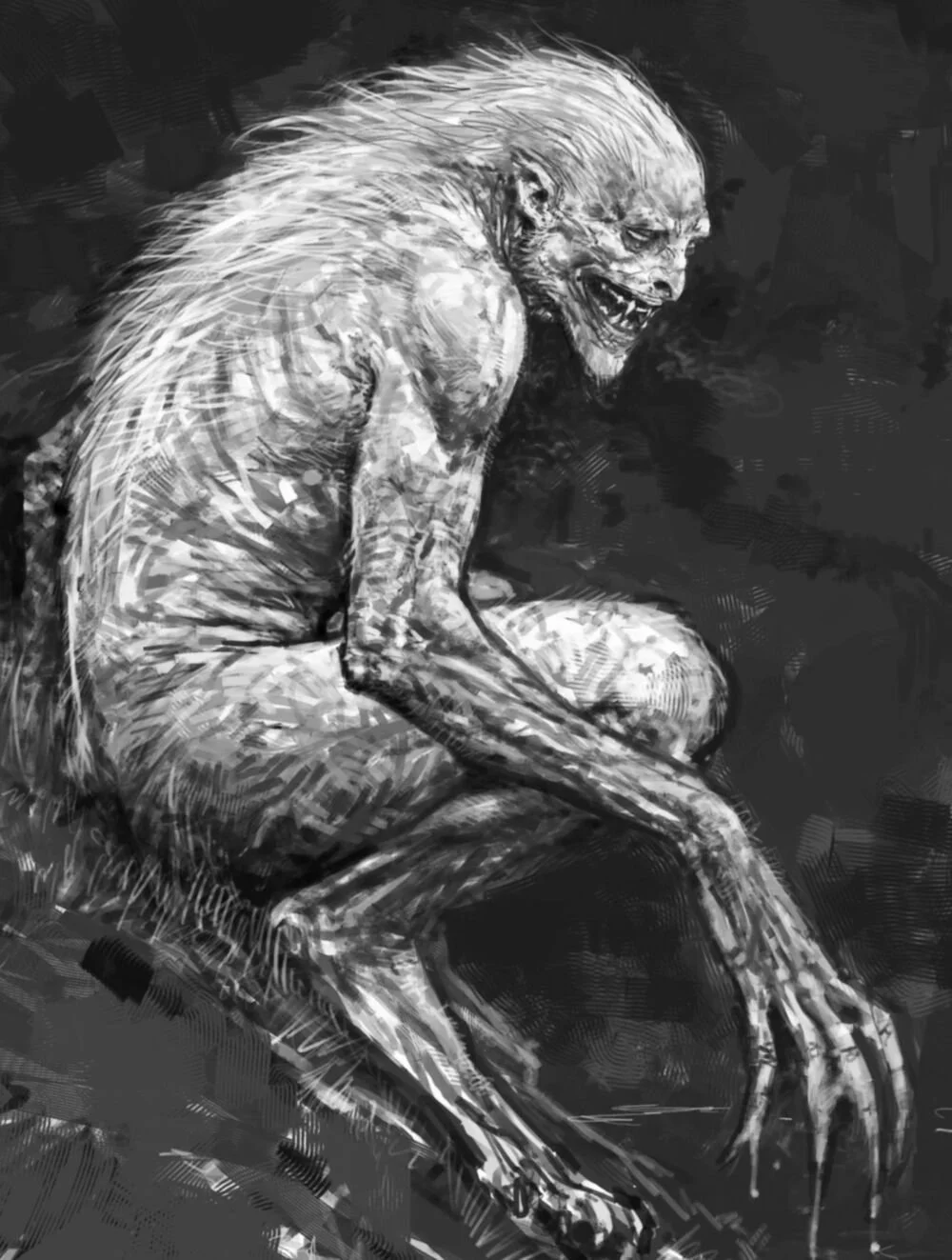
A curse from a woman with the moniker of ‘The Witch of the Wilds’ whose true name was Alkminia Hecati created a curse to make man into that which he hunted and that which he feared: himself as a ravaging beast of uncontrollable bloodlust.
Woe be a man who claims purity of heart
Yet just skin deep lies a villainous part.
Dark path be chosen, fall under this spell
A witch’s word rings true, a requiem knell.
To those who proceed with monstrous intent,
Your name be inscribed in a fate most bent.
For ruin of flesh, most terrible sin
Rip, gore, and tear your most beloved kin.
The bright full moon will herald man’s decay,
Bursts forth a monster, a gruesome display.
With claws of despair and fangs of great strife
Vengeance awakens as sharp as a knife.
A bribe of silver, a deceptive guise
A scheme to hide the crime but not the ties.
Silver, once gleaming, now twisted and tore,
Corroding the flesh, demanding what’s more.
In the dark hours, when the wind is just right
A seed of torment shall last through the night.
The cost will be dear, so count what it’s worth
The line shall be ended, despite the birth.
A terrible act reaps just what it sows
The depths of one’s horror, true justice knows.
To those who dare trod down this wicked line,
Bound to this curse for eternity’s sign.
Zombie Curse
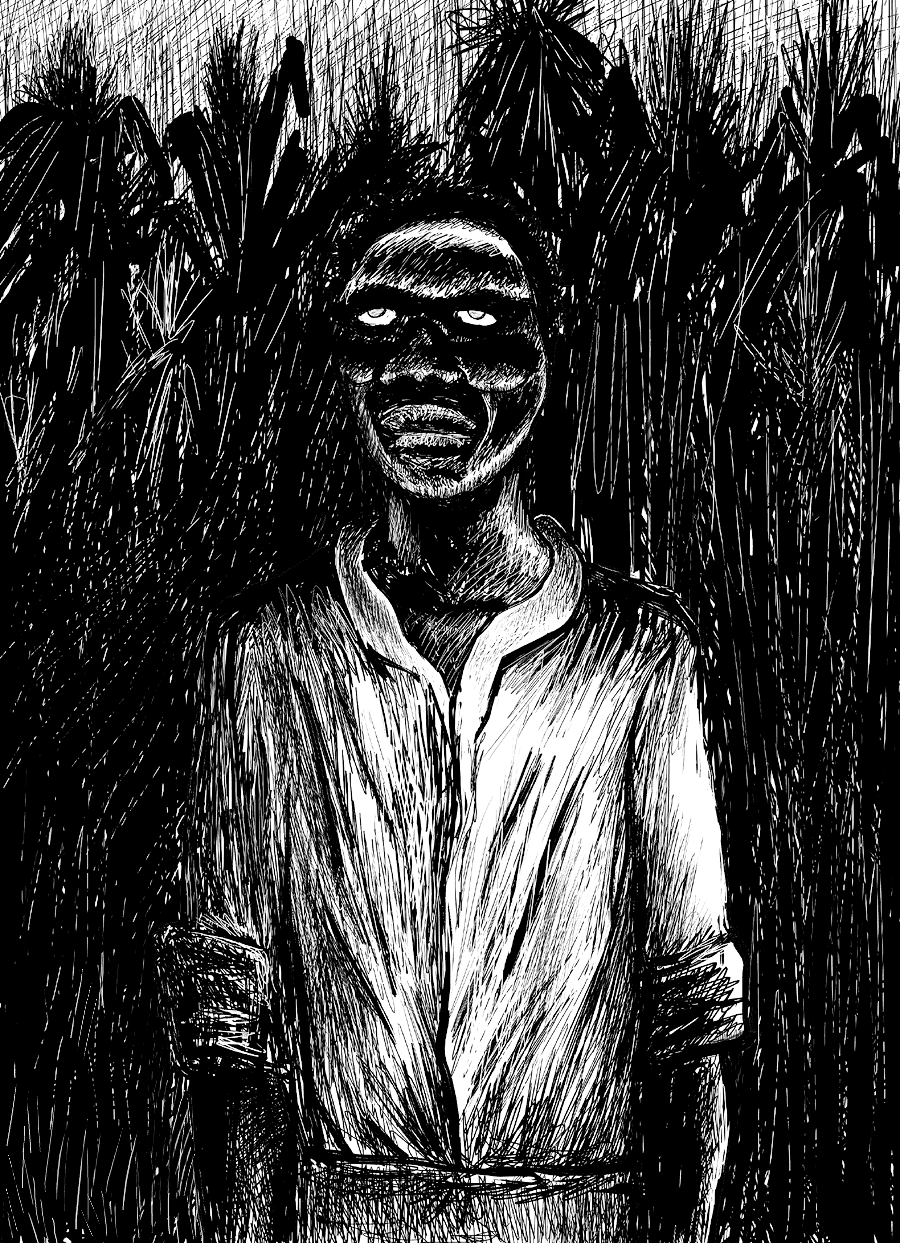
Originally called ‘Zonbi.’ This curse initially does not create an aggressive corpse that eats flesh. Instead, a zombie is a person who's soul has been split, taking away its will or free choice, and typically controlled by a sorcerer to do the sorcerer's bidding.
What remained of the spirit would be forced to remain forever wandering and working, enslaved to their own flesh, without the hope of peace. This enslavement would continue even past the rotting of flesh, which can get them confused with other corpse-eater creatures.
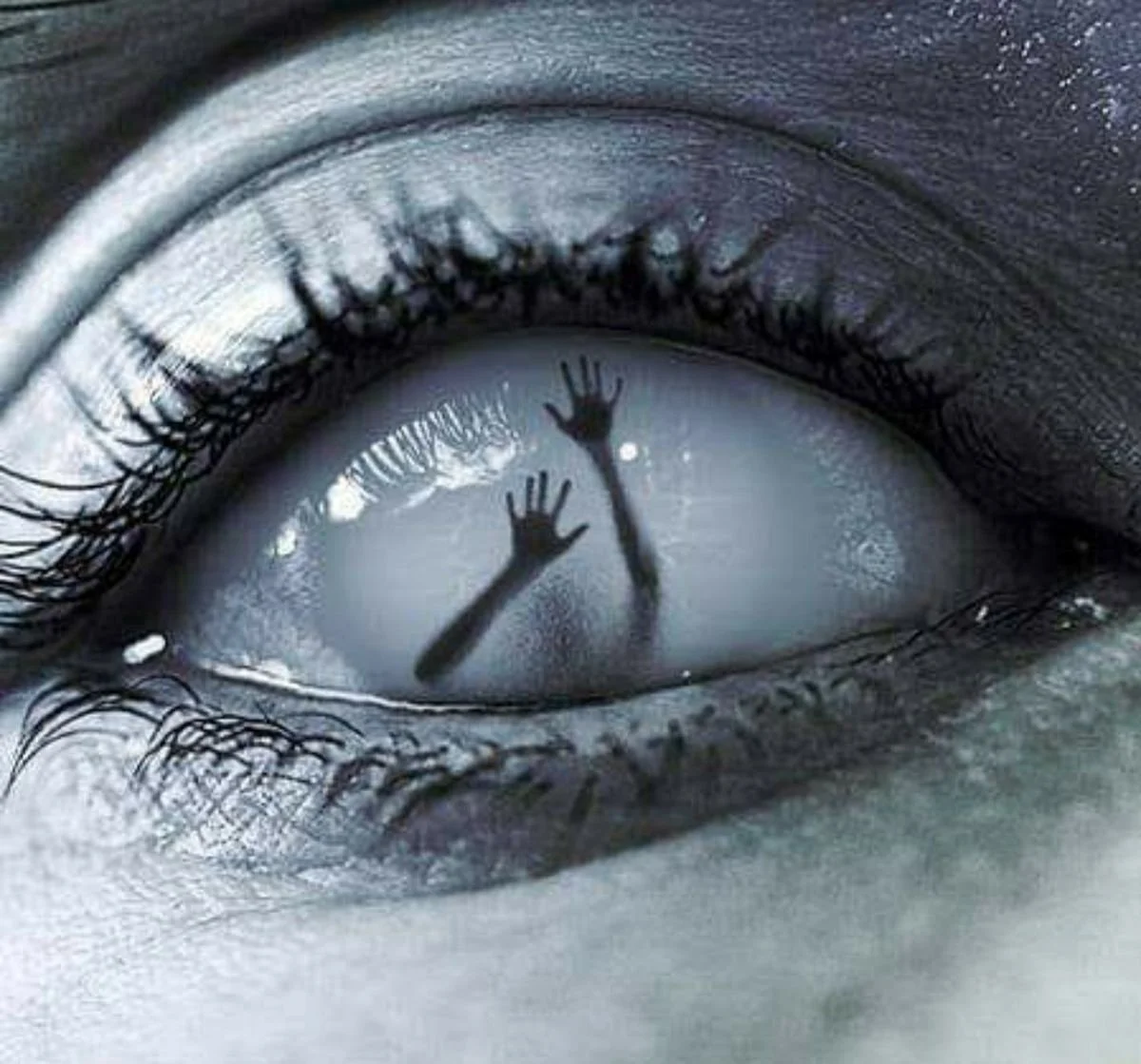
Part of the curse demands that a person must respond to their name before a sorcerer can turn them into a zombie. So some might take measures to ensure their deceased loved one is not forced into servitude. For those who are not yet dead, they must take bigger precautions.
The Zombie Curse has a chance to be contagious. The wound itself does not pass a pathogen, but rather tears a hole in the victim's spiritual defense, allowing dark magic to hijack their corpse when they die.