
Dark Vein Plague
1768 DA - 1772 DA
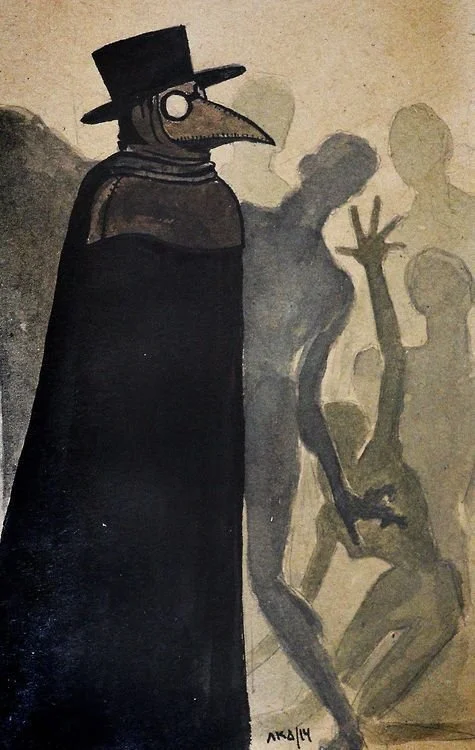
Between 1768 and 1772, an estimated twenty to forty thousand people died during the pandemic of the disease formally known to contemporary physicians as Morbus Insania, or the Madness Disease. However, among the general population it became more commonly known as Dark Vein.
The earliest symptoms of Dark Vein were deceptively mild. Victims first complained of numbness or loss of sensation in the extremities, particularly the fingers and toes. Vivid hallucinations, fever, and, in many cases, violent convulsions soon followed this. As the illness progressed, sufferers frequently developed profound anxiety and paranoia. Friends and family became objects of suspicion; familiar places seemed strange or threatening; and hallucinations became increasingly difficult for the afflicted to distinguish from reality.

In isolated communities, where knowledge of medicine and the arcane sciences remained limited, explanations were overwhelmingly spiritual. Some regarded Dark Vein as a curse, or divine punishment for sin. Others believed its victims were possessed by malicious spirits or afflicted by a collective visitation of darkness, especially from the Nyxos goddess Njaatesso, who created sickness, pain, and suffering. Particularly fearful accounts attributed the disease to the Murroughs of Ashalûn, or Hell, whose presence was supposedly betrayed by the blackening veins surrounding the victim’s eyes.
The apparent manner in which the disease spread only strengthened such beliefs. Cases frequently appeared within the same households, and contemporary observers reported what appeared to be transmission through blood and other bodily fluids. Families were consequently abandoned, houses burned, and the afflicted sometimes driven from their communities for fear that merely touching them might spread the sickness.
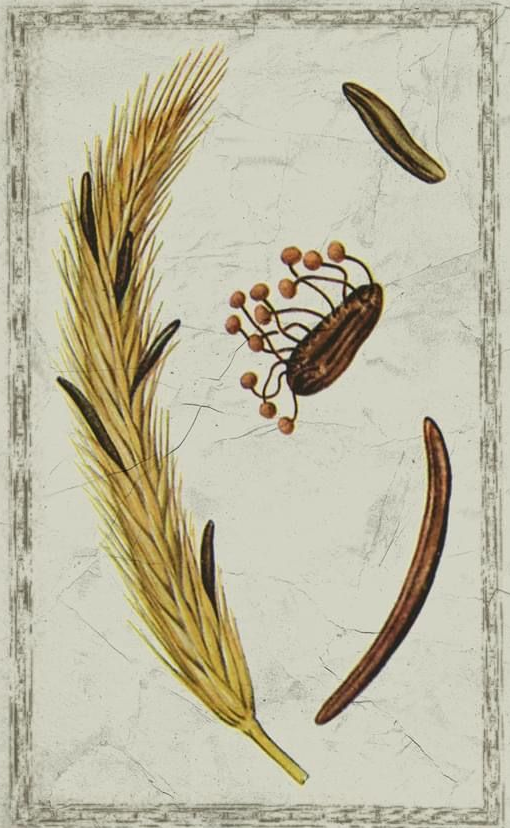
Researchers at Etudex University and Hyparimor Arcane Academy, however, eventually established that the principal source of the pandemic was fungal rather than supernatural. The organism was discovered contaminating barley, oats, wheat, and even maize. Consuming infected grain and foods prepared from it proved particularly dangerous, allowing the disease to spread through bread, cakes, porridges, and other staples. Contaminated grain used in brewing was likewise implicated in several outbreaks. Its ability to infest numerous crops, combined with evidence that it could cross between plant, animal, and mortal hosts, made the organism extraordinarily difficult to contain.
Professors Tobias Radix of Etudex University and Myria Quetzales of Hyparimor Arcane Academy eventually identified and described the fungus, giving it the scholarly name Psythraveceps, from psy- (“mind”), thrave- (“fragment”), and -ceps (“head”). If not for the research catalogued at Etudex for over a century regarding ergotism, a similar fungal disease, the pandemic would have been greatly worse for the entire continent.

During the first years of the pandemic, rigorous quarantines and inspections of grain stores largely kept Dark Vein from the great cities of the Empire. Such measures could not hold indefinitely. The fungus contaminated too wide a variety of grain and appeared in too many common foods for every infected shipment to be detected. Eventually contaminated stores reached the imperial capital of Noetica.

In 1771, Dark Vein entered Palace Aria. High Queen Elena Fyrstrum contracted the disease along with members of her court and subsequently died. The crown passed to her younger sister, Lucia Fyrstrum, who was only twelve years old. Only months passed before Lucia began exhibiting the same symptoms. One morning, she awoke to her handmaid wailing at the sight of the pronounced veins around her eyes. Lucia died shortly thereafter.
Numerous courtiers, servants, and members of the extended Fyrstrum dynasty also succumbed before the outbreak could be contained within the palace. With both sisters dead, succession passed to their first cousin, Asteria Fyrstrum. The deaths of two High Queens within the span of only months transformed an already notorious pandemic into one of the defining catastrophes of the Fyrstrum dynasty.
Evolution of the Name
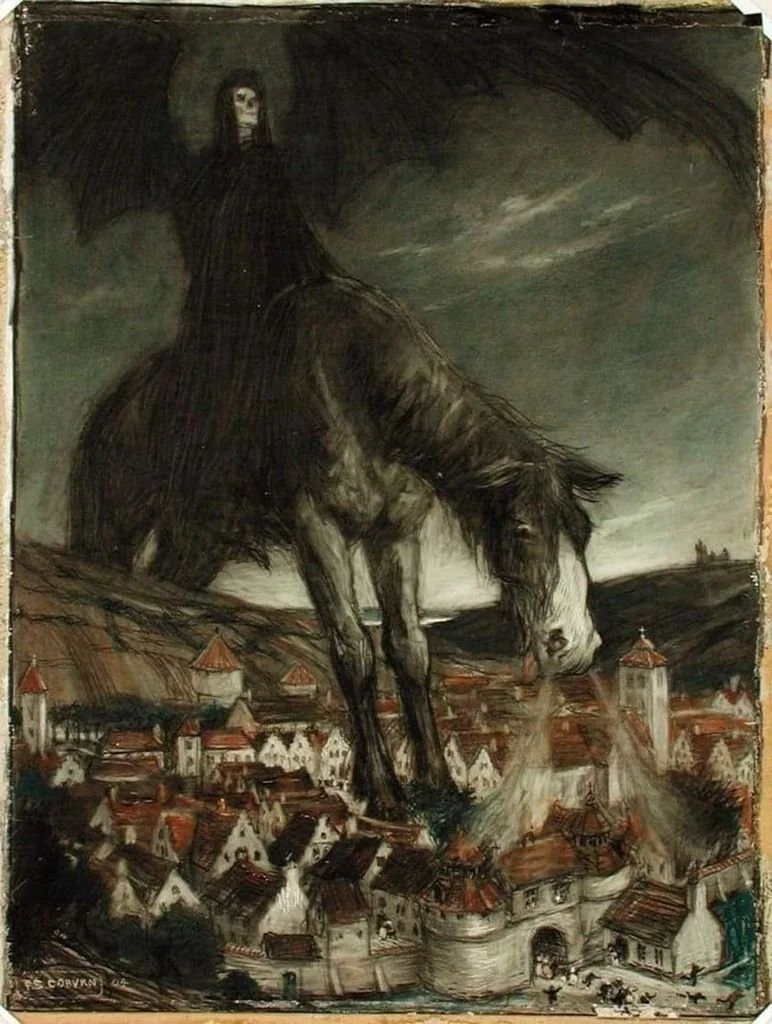
No single name for the disease was ever universally accepted during the pandemic. Early physicians and chroniclers commonly referred to the illness as Morbus Insania, the Madness Disease, in reference to the hallucinations, paranoia, and eventual destruction of the victim’s faculties. Among common people, names varied considerably by region.
Dark Vein became the most widespread, deriving from the distinctive blackened veins visible beneath the pale skin of advanced sufferers. In some rural communities it became known as the Children Plague, after the disturbing childlike state into which surviving victims eventually descended. Particularly devout or superstitious communities called it Murrough’s Blight, believing the illness to be the work of the infernal Murroughs.
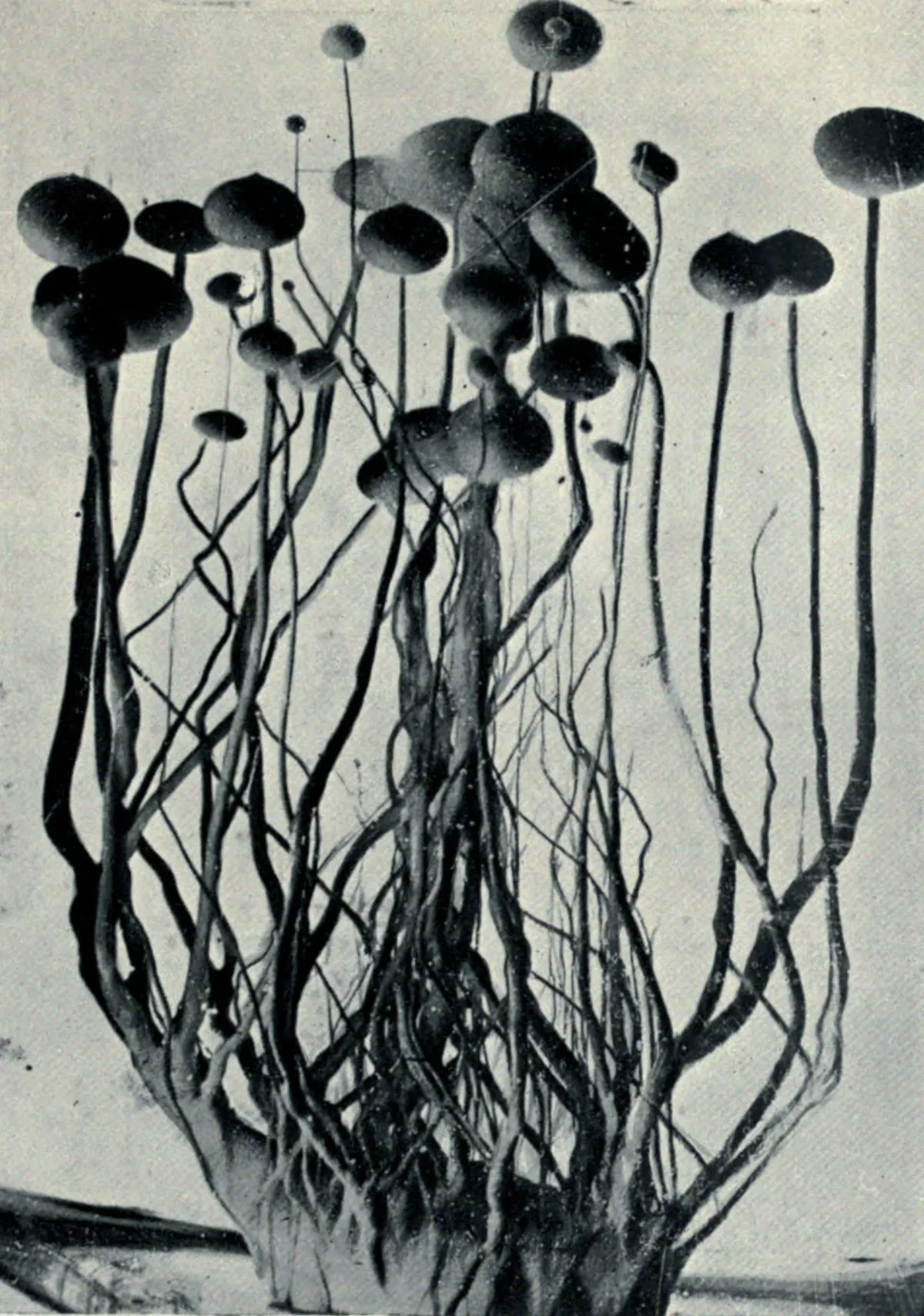
Within universities and academies, meanwhile, Psythraveceps gradually replaced these older terms after the fungal organism responsible for the disease was identified. One final name appeared only during the latter years of the pandemic. After Dark Vein entered Palace Aria in 1771 and killed High Queens Elena and Lucia within months of one another, Noeticans began grimly referring to the disease as Crownrot. The term was originally peculiar to the capital and carried an unmistakably political meaning: the same plague that caused bodies to rot had seemingly begun rotting the imperial crown itself. The name never entirely displaced Dark Vein, Morbus Insania, or Psythraveceps. Within Noetica, however, it endured. Later histories written in the capital would consequently remember the catastrophe of 1768–1772 as the Crownrot Plague.