
Maladies
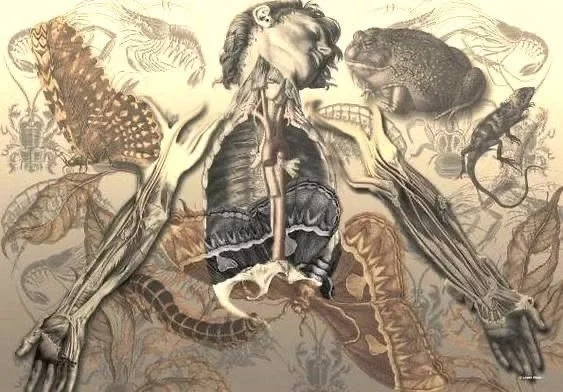
Disease remains a common cause of suffering and death throughout Patalia. Ordinary maladies such as chills, fevers, fluxes, coughs, and poxes are seldom fatal among otherwise healthy people, though the very young, elderly, wounded, and infirm are at greater risk of serious illness. Numerous diseases can spread through contaminated food or water, close contact, animals, and poor sanitation, while certain poxes and other infections are commonly transmitted through sexual contact.

Some illnesses are encountered predominantly during childhood. Several produce lasting resistance in those who survive them, making outbreaks particularly dangerous to adults who never suffered the disease when young. Greening Fever is among the more.
For centuries, the Atmari were popularly believed to possess an unusual resistance to disease. This belief became particularly associated with the royal Fyrstrum Dynasty and was eventually incorporated into the Doctrine of Novarian Exceptionalism, whose proponents regarded the health and longevity of certain members of the dynasty as evidence of the exceptional nature of their bloodline. The Atmari are never truly immune, however, and numerous members of the Fyrstrum family have suffered from ordinary illnesses throughout its history. The belief was most dramatically contradicted when an outbreak of Dark Vein claimed the lives of two High Queens of the Fyrstrum line.
Contents
1. Background
2. Notable Diseases, Illnesses, and Syndromes
2.1 Bladderburn
2.2 Boneburn
2.3 Changeling Syndrome
2.4 Chest Flooding
2.5 The Chill
2.6 Collywobbles
2.7 Dragon’s Miasma
2.8 Gloommother Syndrome
2.9 Malaise of the Mind
2.10 Quicksilver Poisoning
2.11 Sapphire Syndrome
2.12 Storm of Birth
2.13 Sun Sickness
2.14 Troll Affliction
2.15 Winter Spirit Syndrome
2.16 Wombthorn
3.1 The Crimson Death
3.2 Dark Vein Plague
3.3 The Mad Terror
3.4 The Pale Corruption
3.5 The Waning
Background
Medical practice throughout Patalia varies considerably according to region, wealth, and access to trained practitioners. Physicians and apothecaries are common in larger cities, while surgeons, midwives, herbalists, temple healers, and other local practitioners provide much of the medical care available in smaller settlements. Remedies range from simple preparations of medicinal plants to compounded tinctures, powders, salves, tonics, and distilled medicines. Certain branches of magic are also employed in the treatment of injury and disease, although magical intervention is neither universally available nor capable of curing every malady.
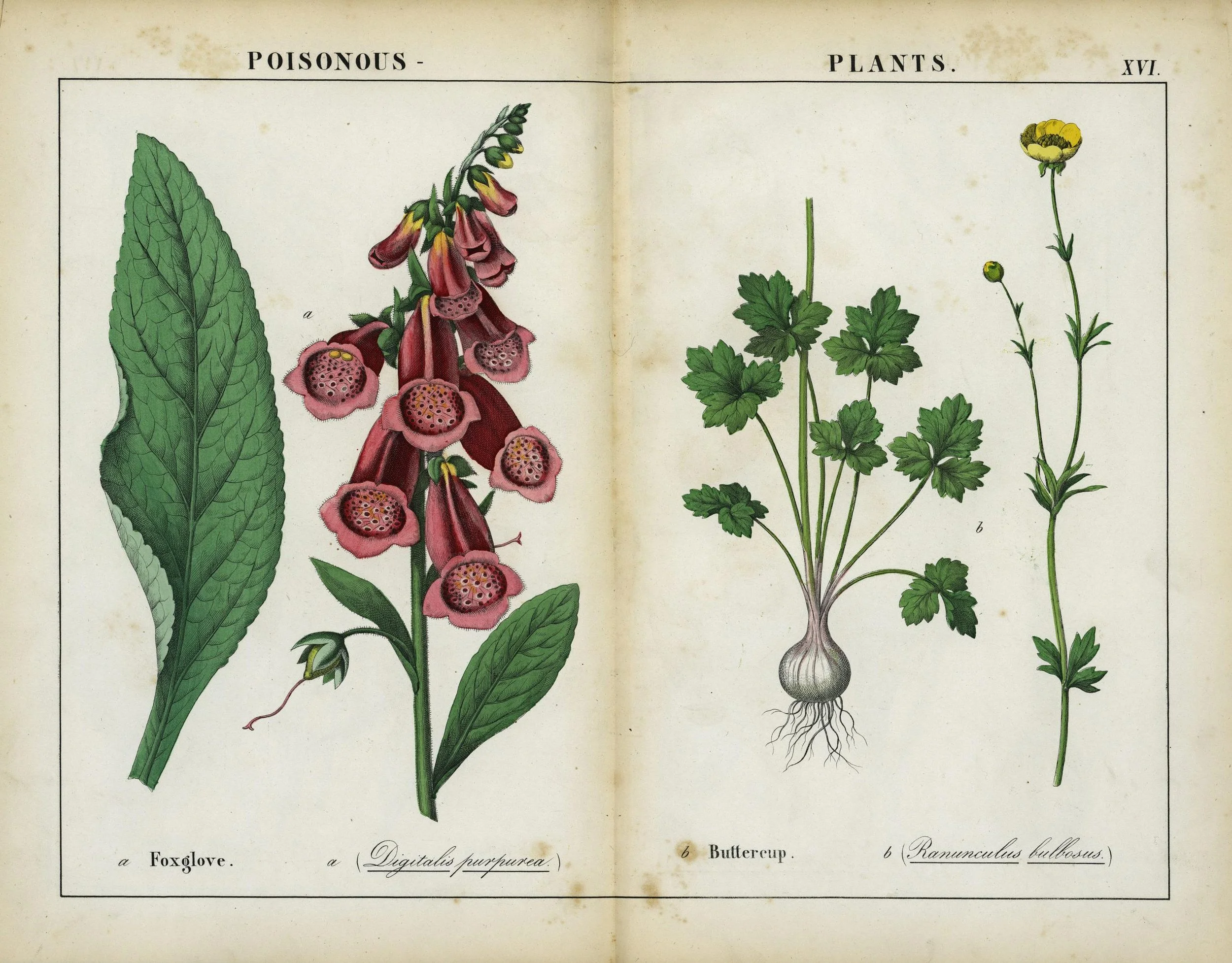
The distinction between medicine and poison is not always a clear one. Numerous substances used medicinally become harmful or fatal in sufficient quantities, while known poisons have occasionally found therapeutic use when carefully prepared and administered. Apothecaries and physicians consequently maintain extensive knowledge of both medicinal and poisonous plants, minerals, fungi, and animal products.
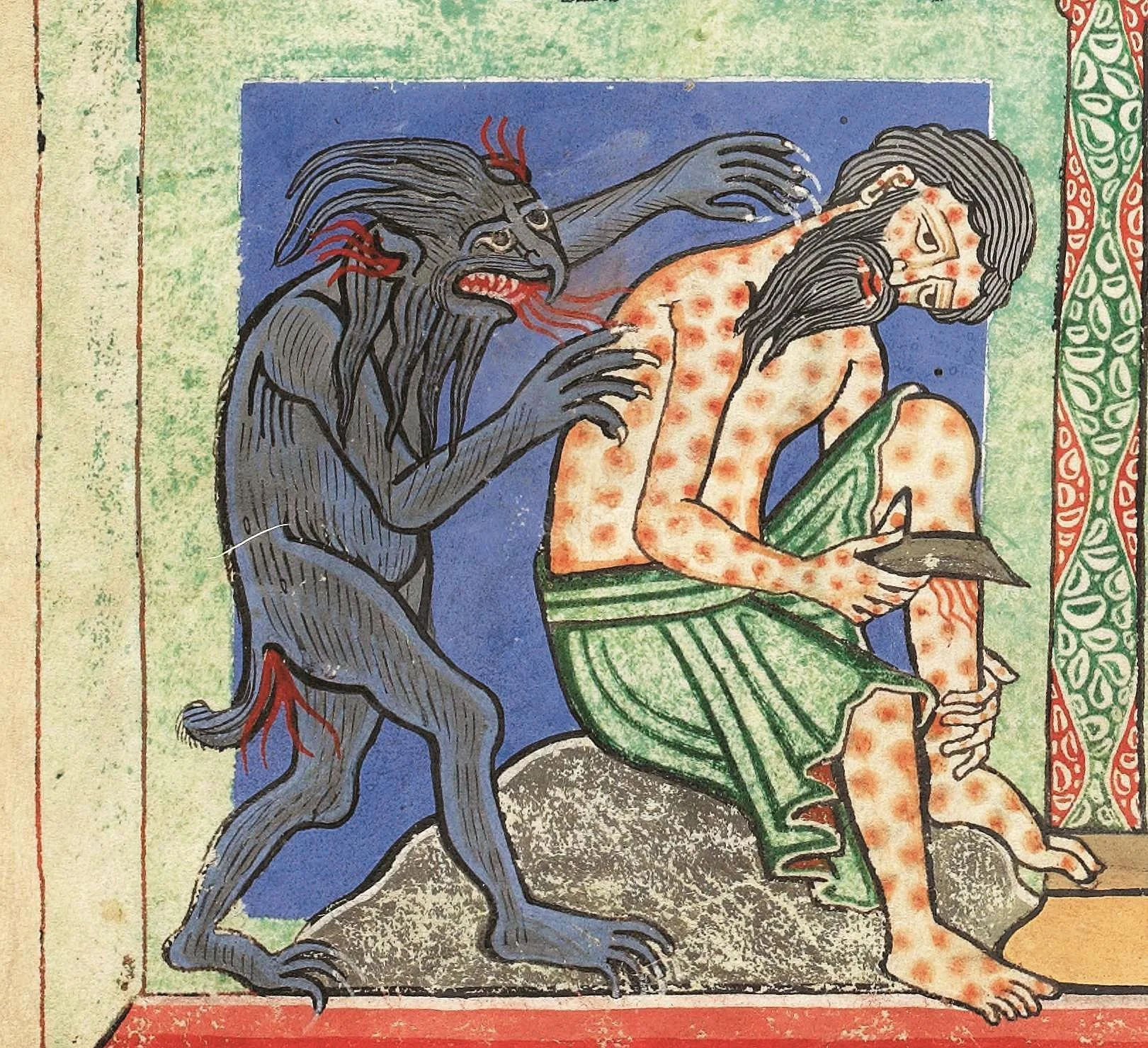
Understanding of disease has changed considerably over Patalian history. Contagion, sanitation, contaminated food and water, and the isolation of the sick are now recognized as important considerations in controlling many illnesses, particularly in major cities. Older explanations nevertheless persist, especially in isolated communities. Disease has variously been attributed to foul air, divine punishment, malignant spirits, witchcraft, curses, and other supernatural causes. Such beliefs are complicated by the fact that genuinely magical afflictions do exist and may initially present symptoms indistinguishable from natural disease.

During severe outbreaks, authorities may impose quarantines, restrict travel, close public gathering places, isolate affected households or districts, and regulate the handling of the dead. The effectiveness and severity of such measures have varied greatly throughout Patalian history, and several major epidemics have had lasting effects upon medicine, law, religion, and popular attitudes toward disease.

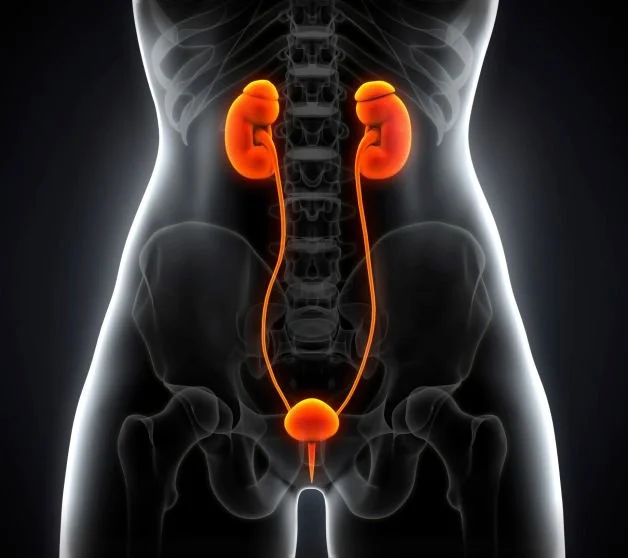
Bladder Burn
An inflammatory illness of the bladder and urinary passages, named for the painful burning accompanying urination. Patients frequently experienced an urgent need to relieve themselves despite passing little water, pain or pressure in the lower abdomen, and urine that may have appeared cloudy, foul-smelling, or tinged with blood. Mild cases frequently resolved with rest and plentiful fluids, though an untreated infection might ascend into the kidneys, producing severe pain of the back and sides, fever, vomiting, and potentially fatal illness.
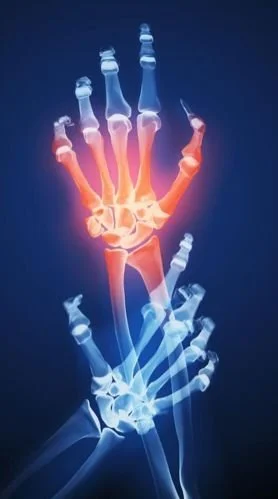
Boneburn
Also called Osteoprexia; a strange inflammatory and degenerative disorder of the joints characterized by swelling, stiffness, reddening and peeling of the surrounding skin, painful sores and areas of poor blood flow on the fingertips and pain described by sufferers as burning from within the bones themselves. Not to be confused with rheumatoid arthritis. Advanced cases leave joints gnarled, enlarged, and twisted, sometimes severely limiting movement. Among elders, the disease may affect much of the body, whereas younger sufferers more commonly develop symptoms in the hands and wrists. Cold weather dramatically aggravates the condition, with severe sufferers sometimes rendered nearly immobile during winter.
Changeling Syndrome
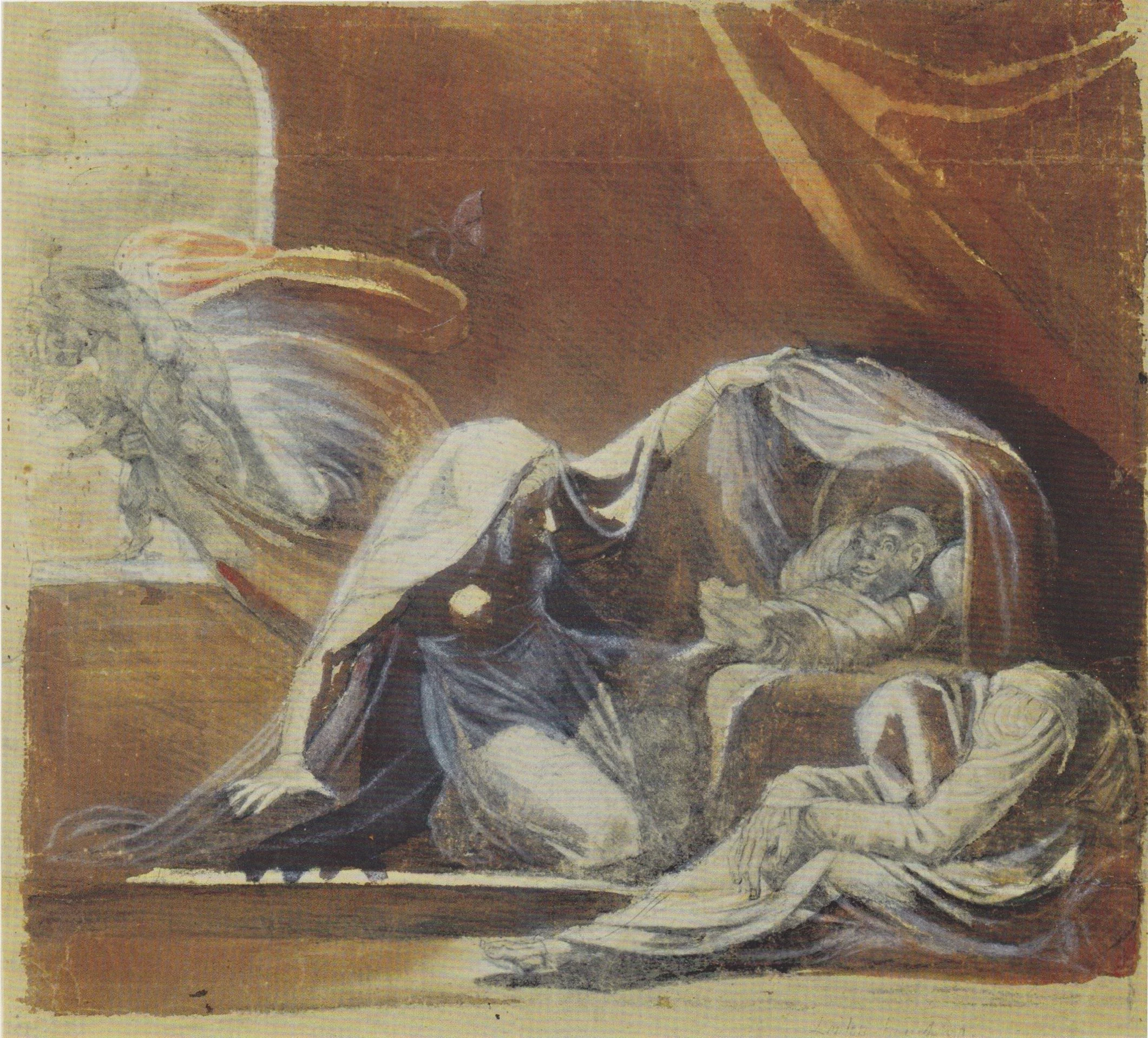
An inherited developmental condition that usually becomes apparent during early childhood. Children with Changeling Syndrome may communicate, socialize, learn, move, or respond to sensation differently from their peers. To parents, this can seem as if the Fae have replaced the human child with a Changeling. Some possess extraordinary memory or intense interests while struggling with speech, unfamiliar surroundings, social expectations, or overwhelming sounds, textures, lights, and crowds.
Chest Flooding
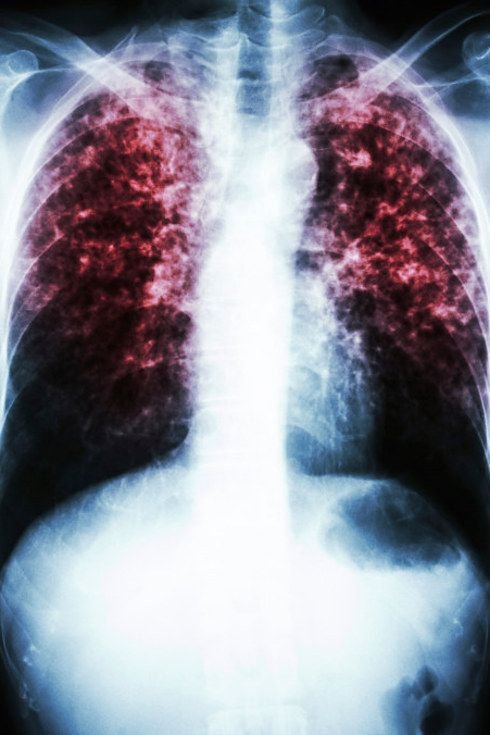
The general term for the accumulation of mucus and inflammation within the chest, producing coughing, heaviness, rattling breath, and difficulty breathing.
The Chill
An extremely common respiratory illness characterized by sneezing, sore throat, coughing, watery eyes, congestion, fatigue, and occasionally mild fever. It is most prevalent during colder months, giving rise to the longstanding but mistaken belief that cold weather itself causes the disease.
Collywobbles
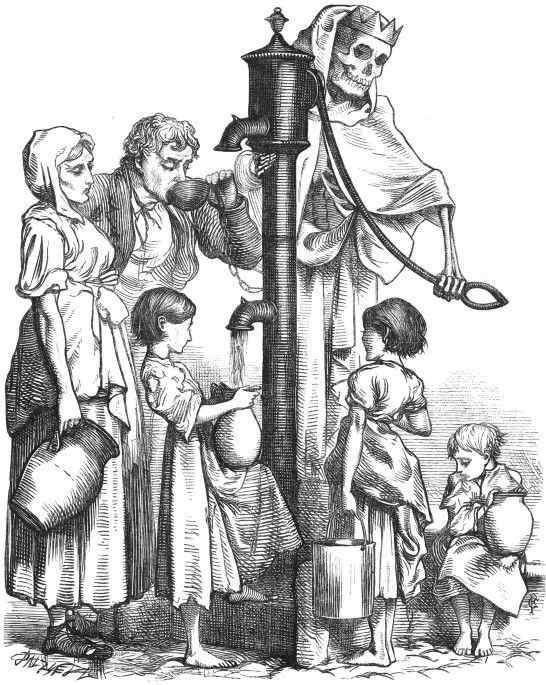
Also called Cholera; acute intestinal disease infamous for sudden vomiting, profuse watery diarrhea, painful abdominal cramping, and extraordinarily rapid dehydration. Severe sufferers may lose so much bodily fluid that the eyes become sunken, the skin cold and bluish, the voice weak, and the limbs seized by painful cramps. Without replacement of lost water and salts, death may occur within hours.

Dragon’s Miasma
Also called the Dragonbreath Curse; those who return alive from Stormwing Island may be plagued with a dreadful infirmity that manifests in unspeakable horrors of the mind and flesh. Some believe the ground is cursed, while others believe individuals contract some pathogen. Those who have committed terrible crimes, or those who know their death is imminent and wish to see a dragon before their time comes to an end, may actively seek out the island.
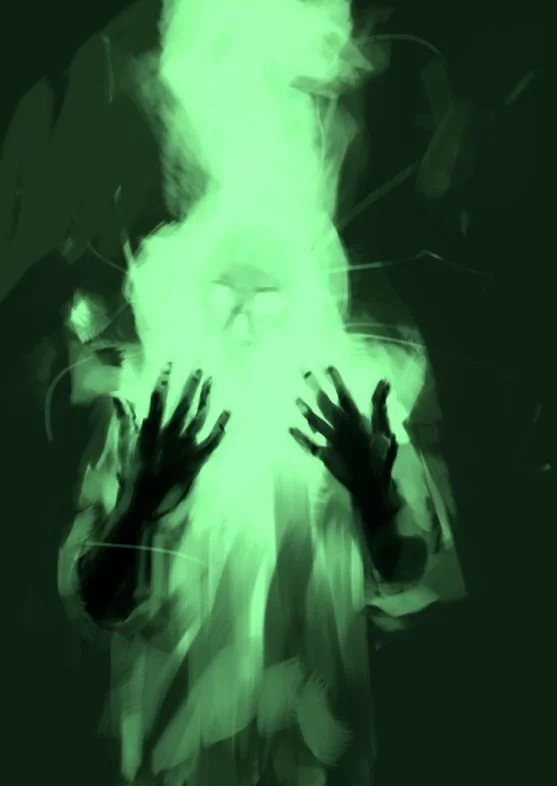
When dragons were utilized in previous wars for their immense power, their breath was said to cause similar manifestations, which led some scholars to conclude that whatever causes this sickness upon the island is due to the breath of the dragons, hence the name for the illness.
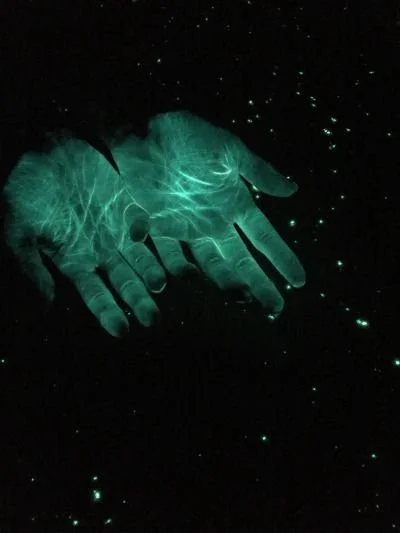
Patients feel numbness in their extremities. Within a day or two, their bodies will emit a sickly bluish green glow and fall gravely ill to the point of being unable to leave their own bed. Soon, the infected cannot digest food or water, and the lungs slowly fill with blood. The final stage of the curse is the most horrific. The skin becomes blistered and blackened before it and the muscles slide from the bones.
Gloommother Syndrome
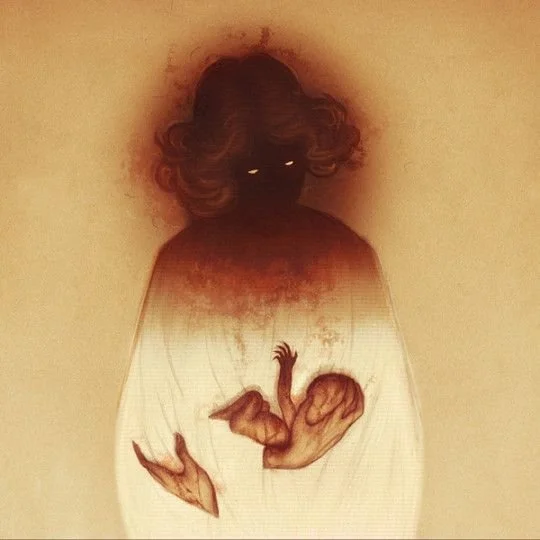
Also known as Postpartum; a collective term for several disturbances of mood, thought, and perception occurring after childbirth. Mild sufferers experience persistent sadness, dread, irritability, sleeplessness, intrusive fears, emotional numbness, or difficulty forming attachment to the newborn. More severe cases may produce panic, profound despair, paranoia, confusion, hallucinations, delusions, or dangerous breaks from reality.

Malaise of the Mind
A general feeling of discomfort or lack of energy and disorder of moods. It is most commonly referred to when presented with symptoms of ongoing sadness, hopelessness, and a loss of interest in activities lasting only days or many months.

Quicksilver Poisoning
Poisoning caused by prolonged or substantial exposure to quicksilver and substances containing it. Early symptoms include tremors, headaches, weakness, irritability, sleeplessness, and disturbances of sensation. Continued exposure may produce worsening tremors, impaired coordination, memory loss, personality changes, confusion, kidney damage, and progressive neurological decline.

Sapphire Syndrome
Congenital conditions that are distinguished most visibly by unusually vivid blue eyes, differently colored eyes, or patches of altered pigmentation in the hair and skin. Some affected individuals are born with partial or profound deafness. Facial features may also develop in recognizable patterns, such as wide-set eyes, though intelligence and general health are ordinarily unaffected. The name derives from the striking sapphire coloration observed in the eyes of many sufferers. Despite persistent folklore associating Sapphire Syndrome with sorcery, no magical origin has been demonstrated.
Storm of Birth
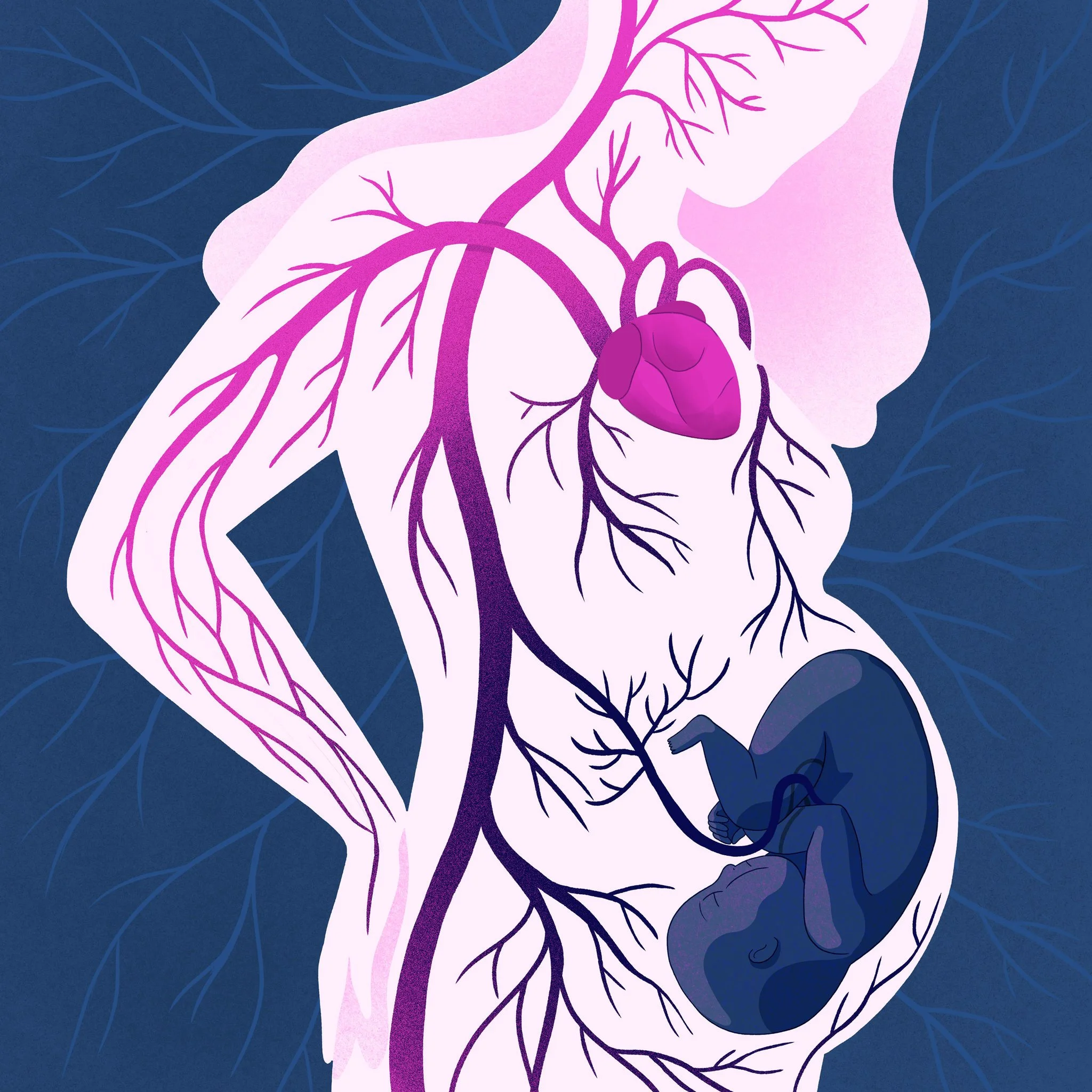
Also known as Preeclampsia; dangerous complications of pregnancy characterized by abnormally elevated blood pressure and signs that the mother’s organs, particularly the kidneys and liver, are under considerable strain. Symptoms may include severe headache, swelling of the hands and face, visual disturbances, abdominal pain, nausea, and sudden weight gain from retained fluid. Untreated cases may progress to convulsions, unconsciousness, organ failure, premature birth, or death of mother and child.
Sun Sickness
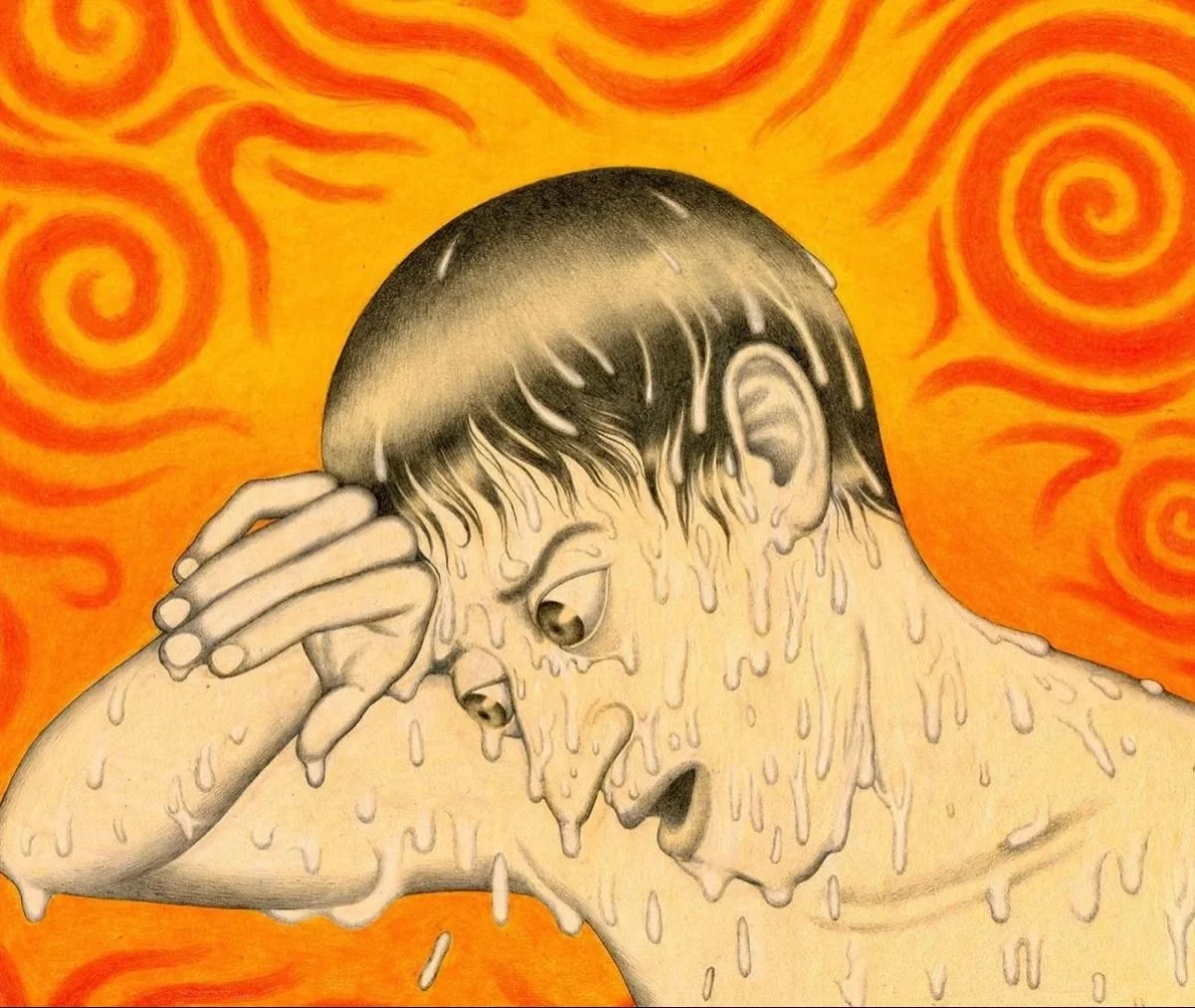
A collective term for illnesses caused by excessive exposure to heat, particularly during prolonged labor, military marches, drought, or summer travel. Mild Sun Sickness produces thirst, sweating, headache, nausea, dizziness, weakness, and muscular cramping. Severe cases progress to confusion, staggering, collapse, seizures, dangerously elevated bodily temperature, and loss of consciousness. Once the patient becomes confused or ceases sweating despite remaining dangerously hot, the illness is regarded as a medical emergency.
Troll Affliction
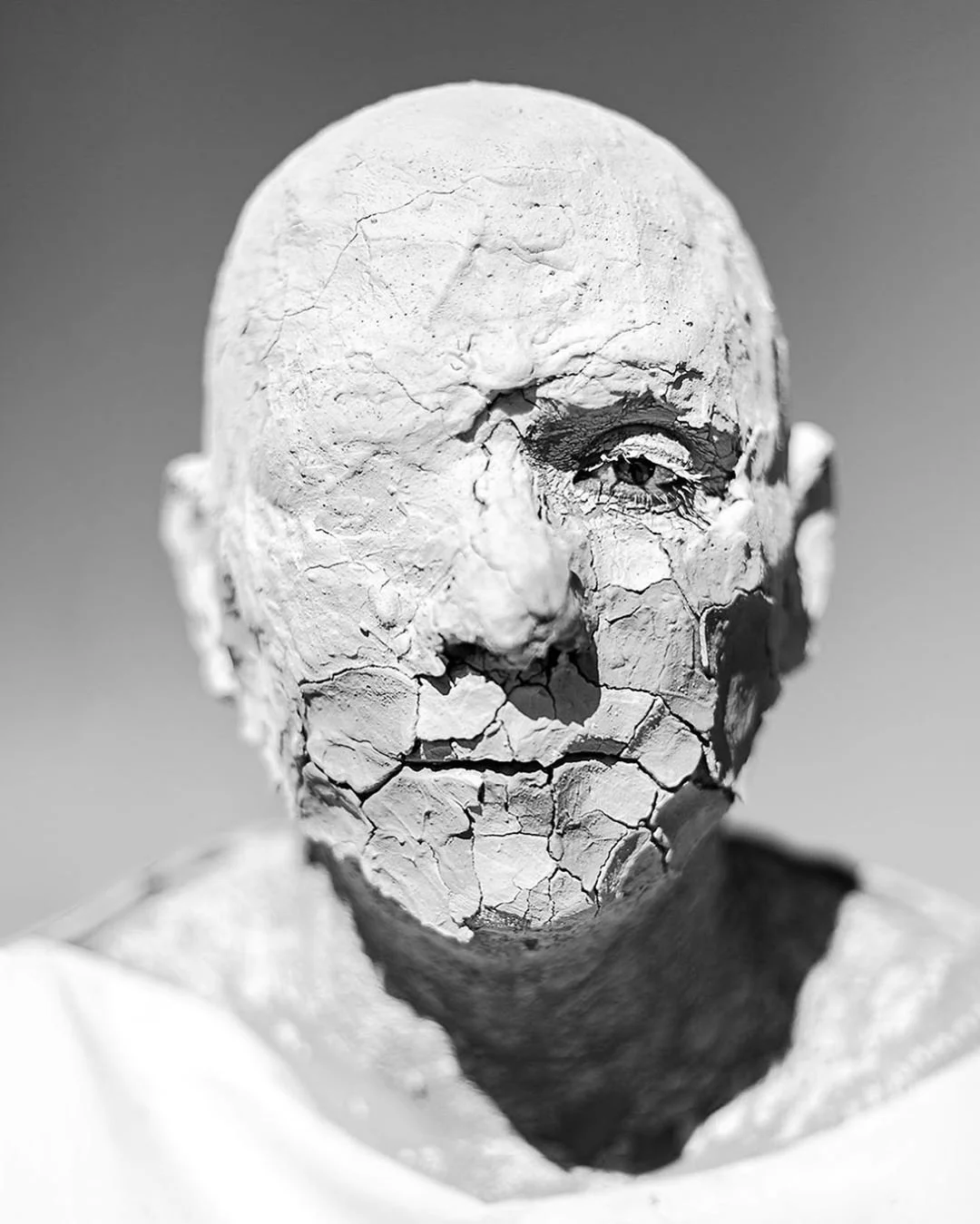
A rare infectious disease contracted from the troll species by bodily fluid distinguished by abnormal hardening and mineralization of the skin following exposure to sunlight. Early sufferers develop extreme sensitivity to bright light, followed by roughened gray calcified areas patches resembling stone or dried clay. Repeated exposure causes these areas to expand and harden until movement becomes painful and joints may become partially immobilized. Enough exposure to sunlight expands the affected areas enough so that the afflicted individual is encased in stone-like skin, effectively becoming a living sculpture.

Winter Spirit Syndrome
An inherited condition characterized by little or no pigment in the skin, hair, and eyes. Those affected commonly possess extremely pale skin and hair and unusually light-colored eyes, accompanied by heightened sensitivity to sunlight and frequent visual impairment. The name originates from ancient beliefs that affected children had been touched, blessed, or fathered by spirits of winter. In some cultures this association brought reverence; in others, persecution.
Womb Sickness
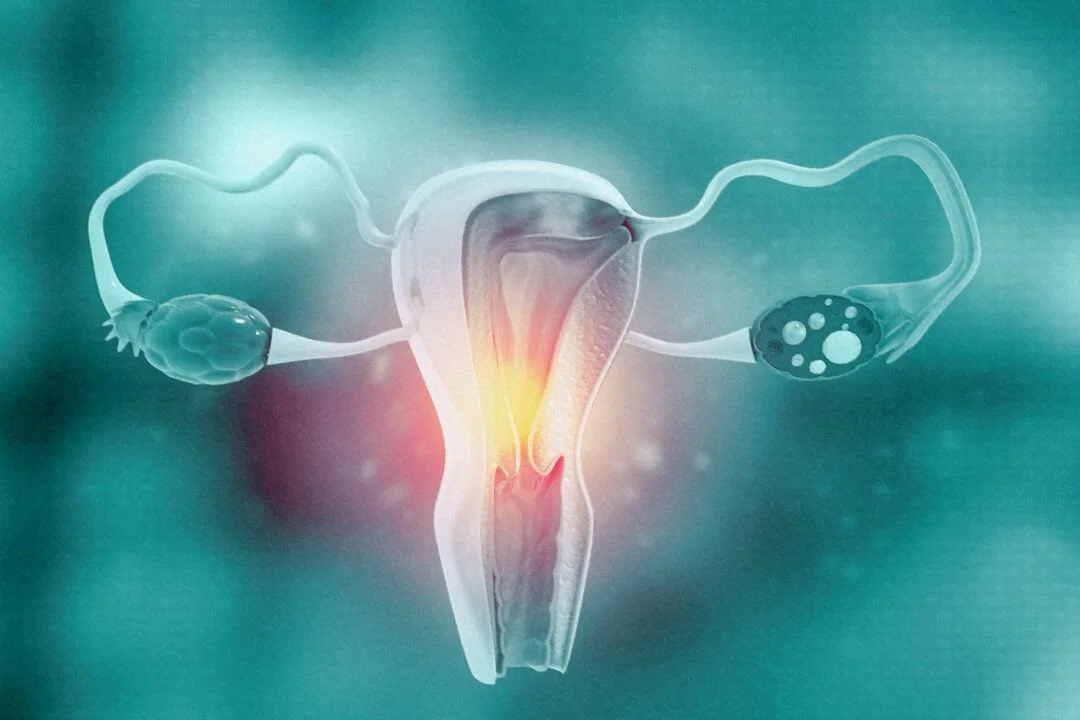
An umbrella term historically used for several chronic disorders affecting menstruation, fertility, and the reproductive organs. In its narrower modern usage, it describes a condition marked by irregular or absent menstrual cycles, excessive hair growth, acne, difficulty conceiving, weight changes, and the formation of numerous small follicles upon the ovaries. These conditions have been studied extensively over the centuries thanks to the efforts of the High Queens of Novaria and members of the Fyrstrum Dynasty.
Wombthorn
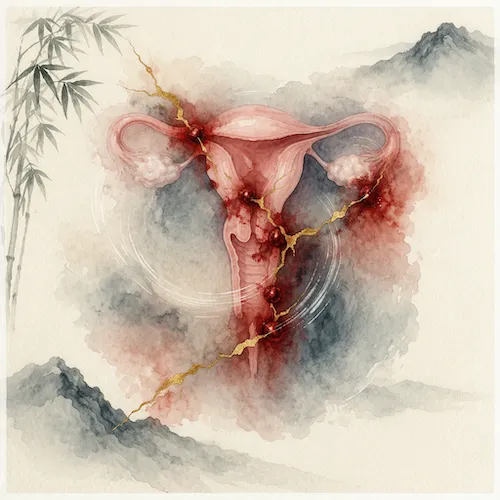
Also known as Endometriosis; a chronic disorder affecting those of reproductive age in which tissue resembling that of the womb develops elsewhere within the body, most commonly throughout the pelvis. It can cause severe menstrual pain, chronic pain of the abdomen and lower back, painful intercourse, heavy bleeding, digestive disturbances, fatigue, and difficulty conceiving.


The Crimson Death
The epidemic began with fever, severe headache, weakness, and pain throughout the muscles and joints before rapidly progressing to widespread internal bleeding. In advanced cases, patients bled from the nose, mouth, eyes, bowels, and other bodily openings while bruising spread beneath the skin without apparent injury. The outer layers of skin subsequently blistered and sloughed away, described by one surviving account as coming loose “like parchment wetted through.” Mortality during the worst outbreaks was catastrophic. Contemporary estimates claimed that as many as nine in every ten seriously afflicted persons died, often after prolonged delirium, hemorrhage, and organ failure.
Dark Vein Plague
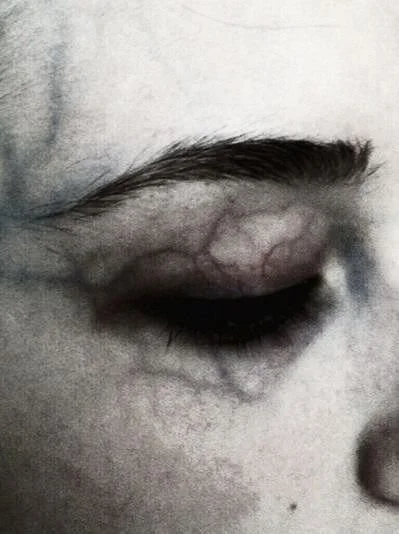
A devastating fungal pandemic responsible for several major outbreaks, the most infamous producing tens of thousands of deaths. The disease initially presents as numbness of the extremities. The skin becomes unnaturally pale while veins darken and protrude beneath it, most visibly around the eyes, giving the disease its common name. This is followed by vivid hallucinations, fever, convulsions, paranoia, and profound anxiety. As the infection advances, memory and higher reasoning deteriorate. Patients gradually lose learned skills, recognition of loved ones, and eventually much of their adult cognition, producing the characteristic childlike mental state described extensively by contemporary physicians. Severe systemic deterioration follows, and death may result from fever, organ failure, secondary infection, accident, or behavior produced by delirium.
Learn more here

The Mad Terror
Regarded as perhaps the most dangerous pandemic ever known. Mad Terror originated among animals and is able to pass into humans through contaminated meat or close exposure to infected creatures. The disease causes abnormal changes within the tissues of the nervous system and may remain undetected before rapidly becoming symptomatic. Early signs include headache, visual disturbance, confusion, impaired coordination, and abrupt changes in personality or temperament. Patients subsequently develop tremors, difficulty walking, profound cognitive deterioration, seizures, and loss of bodily control. Unlike most diseases of its kind, the Mad Terror plague may enter an acute terminal phase characterized by severe fever, hemorrhage, and accumulation of fluid within the lungs. Once neurological symptoms become pronounced, deterioration is extraordinarily rapid and death may occur within days. Its unusual resistance to ordinary treatments, uncertain incubation, animal origins, and nearly universal mortality make the disease particularly dangerous. The initial major outbreak lasted for eight years, from 1264 to 1271. Six individual civilizations disappeared due to the plague by the end of those eight years. As a wider historical phenomenon, the disease returned only once nearly a century later, causing the Mad Terror pandemic to produce enormous social panic.
The Pale Corruption
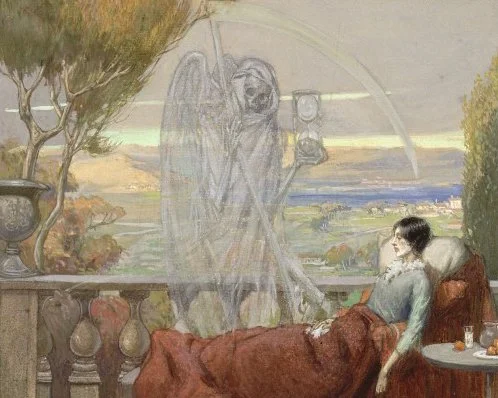
Before the great outbreaks of the Pale, fuller and more curvaceous figures were generally favored among the upper classes. The disease contributed to a dramatic change in these ideals. Despite its deadly reputation, the Pale produced several physical characteristics that came to be romanticized: pale skin, flushed cheeks and lips, bright or glassy eyes, delicate features, and extreme thinness. Artists, writers, and dramatists increasingly portrayed sufferers as beautiful, tragic, and otherworldly, until the appearance of illness itself became fashionable. Among noble and wealthy women in particular, attempts to imitate this appearance became increasingly extreme. Healthy women starved themselves, underwent unnecessary bloodletting, and sometimes ingested poisonous substances to produce pallor, weakness, and frailty. Thinness consequently became associated not merely with beauty, but with delicacy, refinement, and suffering. Although fashions changed considerably in later centuries, the influence of the Pale upon Patalian standards of beauty proved remarkably persistent.
The expression “beyond the pale,” eventually meaning behavior beyond the boundaries of what was considered acceptable, originated during the great quarantines imposed during outbreaks of the disease. Those who ventured beyond established quarantine boundaries were said to have gone beyond the Pale. The expression gradually became associated with persons who disregarded accepted rules and, eventually, with unacceptable behavior more generally.
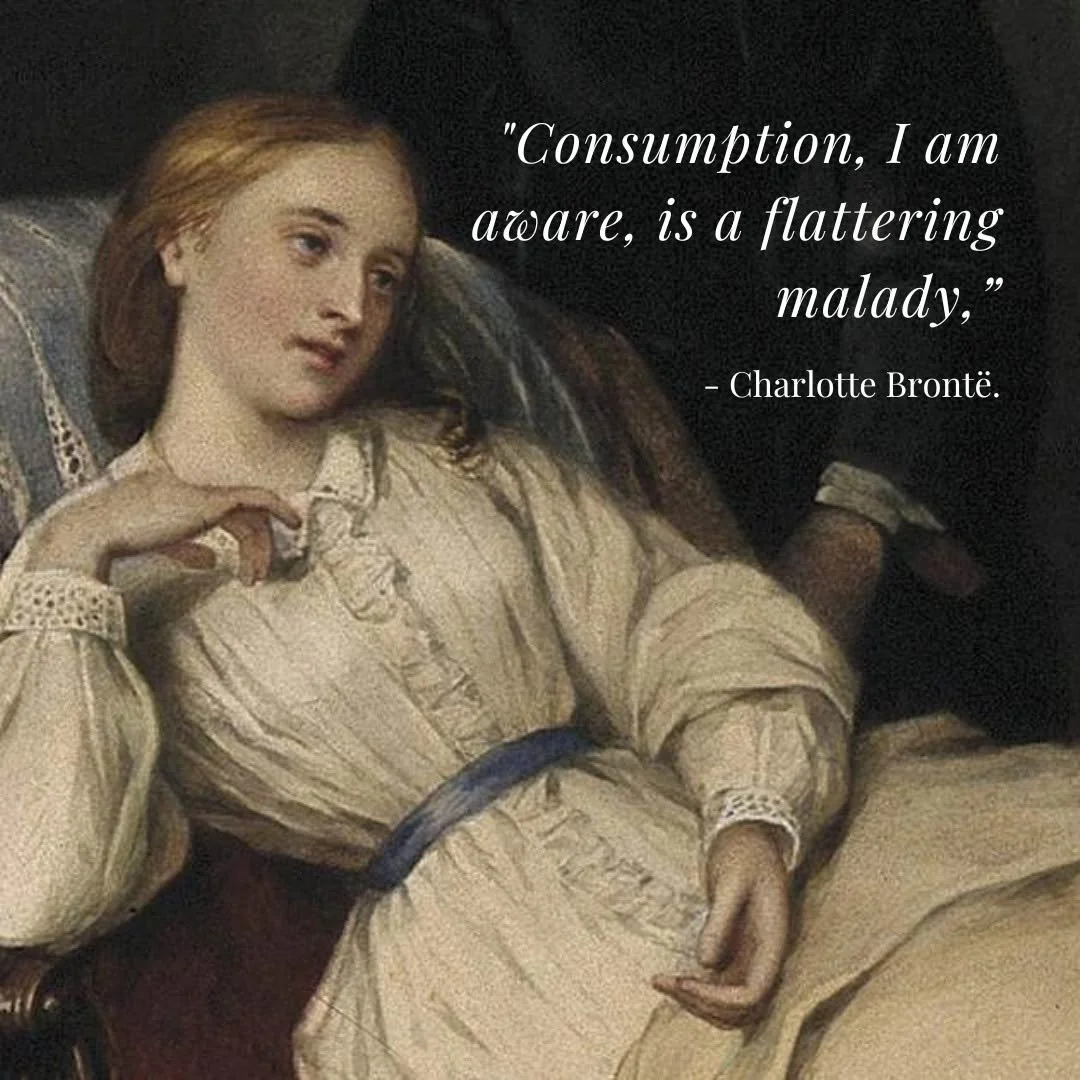
Also called Consumption, The White Death, and Tuberculosis; a chronic infectious pandemic primarily attacking the lungs, though other organs may also become affected. The illness often develops slowly, beginning with fatigue, fever, night sweats, loss of appetite, and a persistent cough. Patients progressively lose weight and strength despite continuing to eat, producing the wasted appearance responsible for the name Consumption. Advanced sufferers cough blood, struggle for breath, develop chest pain, and become profoundly emaciated. The term Pale Corruption arose both from the pallor of its patients and from its historical reputation for slowly draining life from entire households. Pale Corruption is feared for its persistence: sufferers may decline for months or years, unknowingly transmitting the disease to family members throughout that time.

The Waning
Also called the Waylay; an ancient plague once believed to have disappeared entirely, though later study revealed that nearly all living people continue to carry the disease in a dormant state. Its effects are suppressed by the magical currents and leylines permeating the world, including the ambient magic naturally drawn through living bodies. In places where these currents weaken or disappear, sufferers develop exhaustion, trembling, unnatural coldness, confusion, difficulty breathing, poor healing, and progressive failure of the organs. Prolonged deprivation produces rapid bodily deterioration resembling premature aging before death from respiratory or cardiac failure. Restoration of magical exposure halts further progression but cannot always reverse injuries already sustained.