Religions
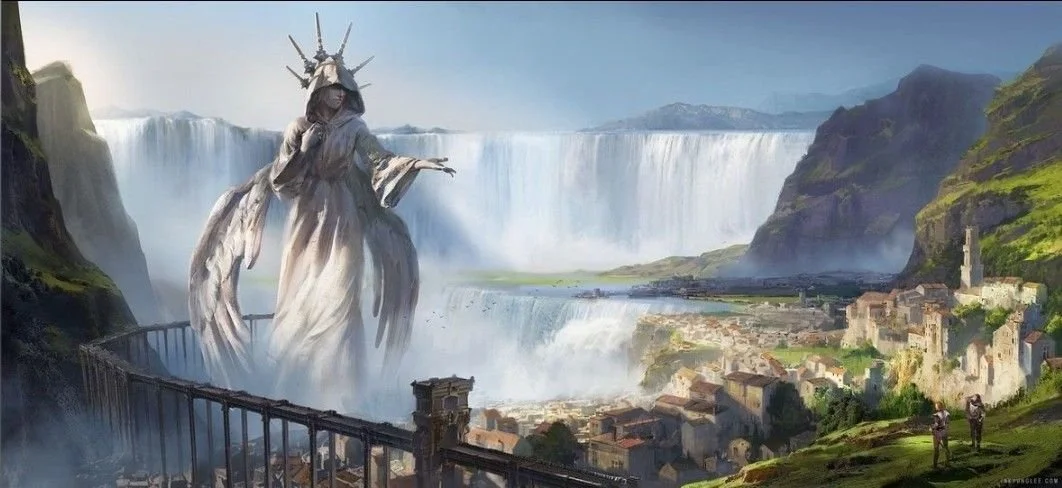
Religion on Oliel is widespread but far from uniform. Across the provinces (Hallowood’s ancient groves, Kaldymens’ frozen cliffs, Nahmea’s coral isles, Dolornjaa’s deserts, the highlands of Rommelen, and the grass-seas of Hearthmiel) faith is shaped as much by land, lineage, and history as by scripture.
Nearly all religions trace their roots to the Lysi, the divine children of the Primordials. But the way different cultures understand, honor, and interpret these gods varies dramatically.
Some peoples worship the full pantheon. Others elevate a single deity as supreme. A few worship beings who were never meant to be gods at all.
Religion in Oliel is not static. It evolves, fractures, reforms, and adapts with the people who practice it.
Contents
1.1 Common Structures of Faith
1.1.1 Polytheism & Henotheism
1.1.2 Monotheistic Traditions
1.1.3 Localized Variants & Syncretic Faiths
2. Vascelianism
2.1 Background
2.2 Fate
2.3 Heresies & Divergences
2.3.1 The Stringless Heresy
2.3.2 The Fall of Agnidha Sect
2.3.3 The Breath-Sworn
2.4 Worship & Practice
2.4.1 Temples
2.4.2 Rituals
2.4.3 Daily Life
3. Aelysitism
3.1 Background
3.2 Hierarchy & Politics
3.3 Faith
4. Solysitism
4.1 Background
4.2 Doctrine
4.2.1 The Threefold Whole
4.2.2 Faith and Action
4.2.3 Free Will and Discipleship
4.2.4 Decentralization of Divine Authority
4.3 Cleansing & Consequences: The Death of Svaramystri
4.4 Tension & Traumas
4.4.1 Lingering Issues
5. Vespericism
5.1 Background
5.2 Core Beliefs
5.2.1 Abandonment by the Divine
5.2.2 The Twilight Doctrine
5.2.3 Silence as Sacred
5.2.4 Ritual Concealment
6.1 Background
6.2 Core Beliefs
6.3 Totemic Spirits
6.3.1 Trochili
6.3.2 Brehdoh
6.3.3 Ardea
6.3.4 Tajhoro
6.3.5 K’elunhe
6.3.6 Outilus
6.3.7 Sephais
6.3.8 Suskorr
6.3.9 N’kula
6.3.10 Xirra
6.4 Behind the Fist & Palm
6.4.1 Intention Is Everything
6.4.2 Deep Personal Practice
7.1 Background
7.2 Doctrine
7.3 The Prophet Aldrivar
7.4 Beliefs
7.4.1 The Curse of Being
7.4.2 Only the Prophet’s Will
7.4.3 Pain is Purpose
7.4.4 Magic is the Tool
7.4.5 The Prophet is the Path, Nûlnan is the End
7.5 Legacy & Fear
Religions across Patalia
Common Structures of Faith
Polytheism & Henotheism
Most cultures recognize the full breadth of the Lysi Pantheon: Primordials, Divines, Torlysi, Titans, and even the Five Unhallowed. But many peoples choose to devote themselves primarily to the deity who aligns with their land or way of life:
Fisher peoples of Nahmea look to Meggalier or Eheu’wai.
Mountain clans of Rommelen revere Storvild and Drukolt above all others.
Hallowood’s druids honor Khiashba, Drekk, and Geelanvie.
The pantheon is shared; devotion is local.
Monotheistic Traditions
Though rarer, some sects worship one deity alone, believing all others to be servants, illusions, or lesser reflections. These sects tend to emerge during times of upheaval or under charismatic prophets who claim singular revelations from the gods.
Localized Variants & Syncretic Faiths
Every province blends the Lysi myths with its own ancestral rituals:
Hallowood mingles Torlysi worship with spirit-ancestor reverence and forest-law.
Dolornjaa incorporates Lysi concepts through the lens of Hepist Palnai, focusing on the harmony of destructive force and gentle creation.
Rommelen venerates the Lysi through a lens of endurance, oath-binding, and ancestral trials.
Kaldymens emphasizes seasonal duality via Nedera (summer) and Drukolt (winter).
Nahmea blends Lysi belief with deep sea-spirit traditions and reverence for manta-guides and turtle-beacons.
No two provinces tell the same stories, yet the same gods exist in all of them.
Vascelianism
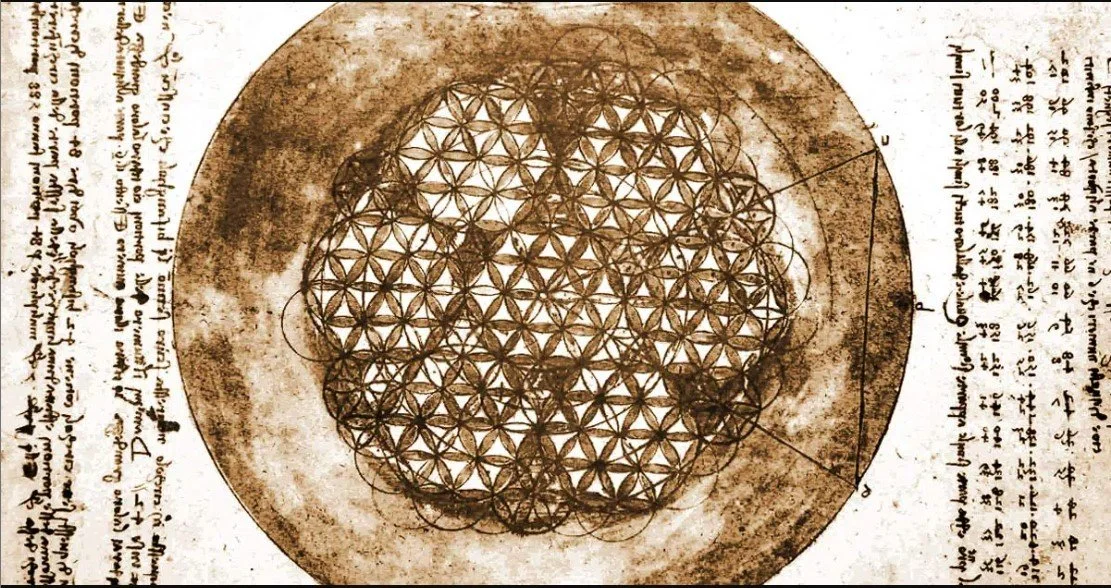
Vascelianism is a spiritual, aesthetic, and ethical faith that reveres the Lysi Pantheon, immortal beings born from the love of Ze-Nyt (First Light) and Wa-He (First Sound), also called the Old Ones. Their worshippers are called Vascelians, or more commonly, Diviners. Named after the halls of Lysi – or gods – Aurínvascil.
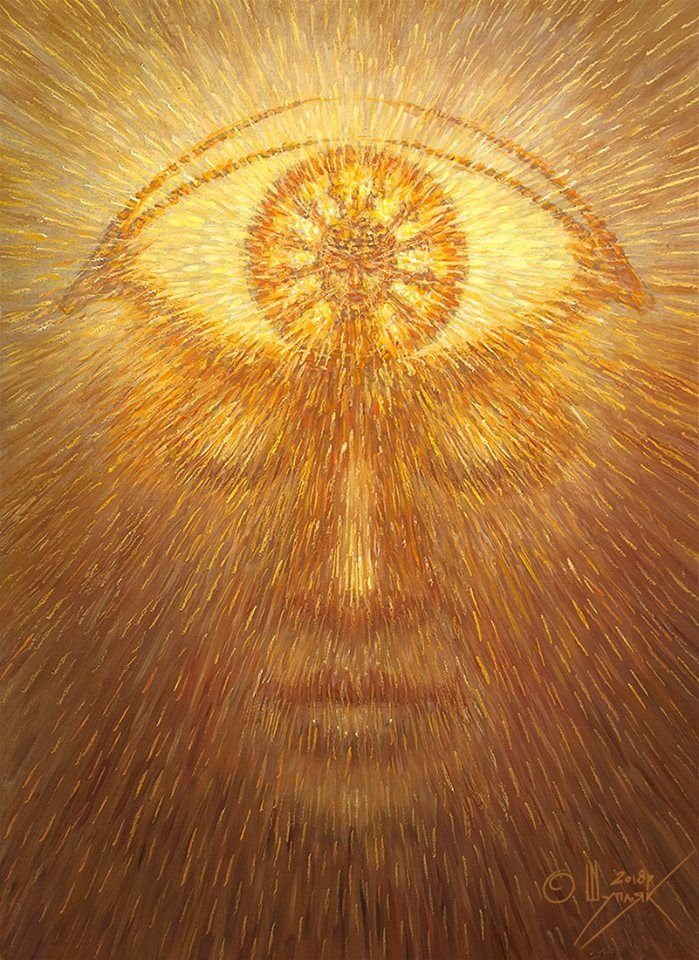
Light and Sound are sacred forces. Every candle lit or song sung honors the Primordials, also known as the Old Ones. Vascelians believe in the balance of all things. The faith teaches that creation stems from Divine Duality: Light and Sound, whose union birthed the Twin Deities: Agnidha (Complexity, Change) and Velaja (Simplicity, Order). All life is their afterbirth; all fate, their song.
Faith for a Vascelian is not enough. Devotion is proved through acts of harmony: healing, building, planting, preserving beauty, protecting others. “Do good works on the earth and for the earth, and you shall reach the misted halls of Aurínvascil.” – Lys Ursunga.
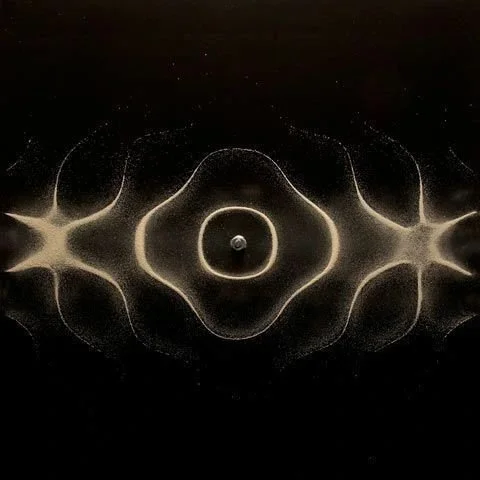
Fate for Vascelians is a woven melody. Some interpret this as a call to art, others to philosophical fatalism. “Listen to the Strings” is a common blessing. Vascelians believe that if you perform good enough acts in life, then you may ascend to Aurínvascil, a place of mist and stardust where worthy souls are reunited with the Lysi, the pantheon of higher beings who dwell in the nebulae. Kharonwyn, one of the Lower Realms, is ruled by Kroth, Goddess of Death. It includes the Susurrus Gardens, where the unworthy, lost, and unresolved dead dwell in quiet tending. Mortality came into being when, according to myth, a Human and a Thraelli plucked the Cosmic Strings, breaking the harmony and binding all earthly beings to death and decay.
Vascelians read the scripture known as the Lys Ursunga (“The Songs of Divine Light”), detailing the genesis of the cosmos, and the nature of fate. They worship the entire pantheon of Lysi, immortal beings born from the line of Wa-He andZe-Nyt. This includes Aelysiar, Torlysi, and even the Nyxos deities.
Heresies & Divergences
The Stringless Heresy
Belief: Mortals are not bound by fate or the Cosmic Strings.
Origin: A tale in Lys Ursunga tells of a Human and Thraelli who plucked the Strings, causing mortality.
Condemned by Diviners; linked to dangerous philosophical freedom.
The Fall of Agnidha Sect
Belief: Agnidha was corrupted and gave birth to fiends and demons.
Conflict: Orthodox faith teaches demons descend from Nyxos corruption, not from Agnidha directly.
Often suppressed as blasphemous and fear-mongering.
The Breath-Sworn
Belief: Wa-He is the sole true divine; Ze-Nyt’s light distracts from the truth of breath and spirit.
Practice: Asceticism, singing, fasting, and long silences. Seek transcendence through breath mastery.
Often tolerated, but not recognized by the central temples.
Worship & Practice
Temples
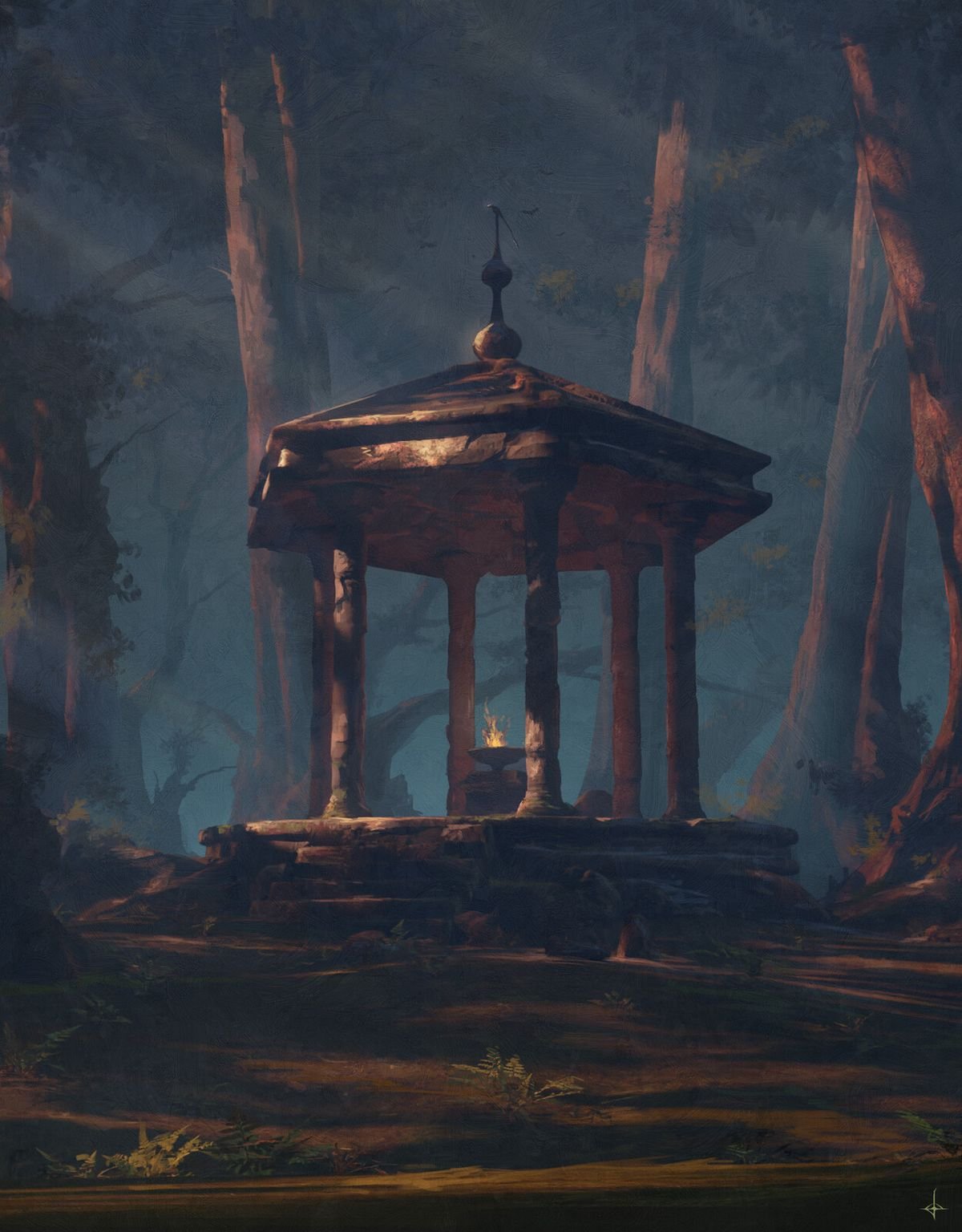
Called simply “temples”, often open-roofed to allow starlight and wind.
Built in resonance-rich areas. Near rivers, canyons, cliffs, or under celestial constellations.
Decorated with reflecting pools, resonance chambers, and kinetic art.
Rituals
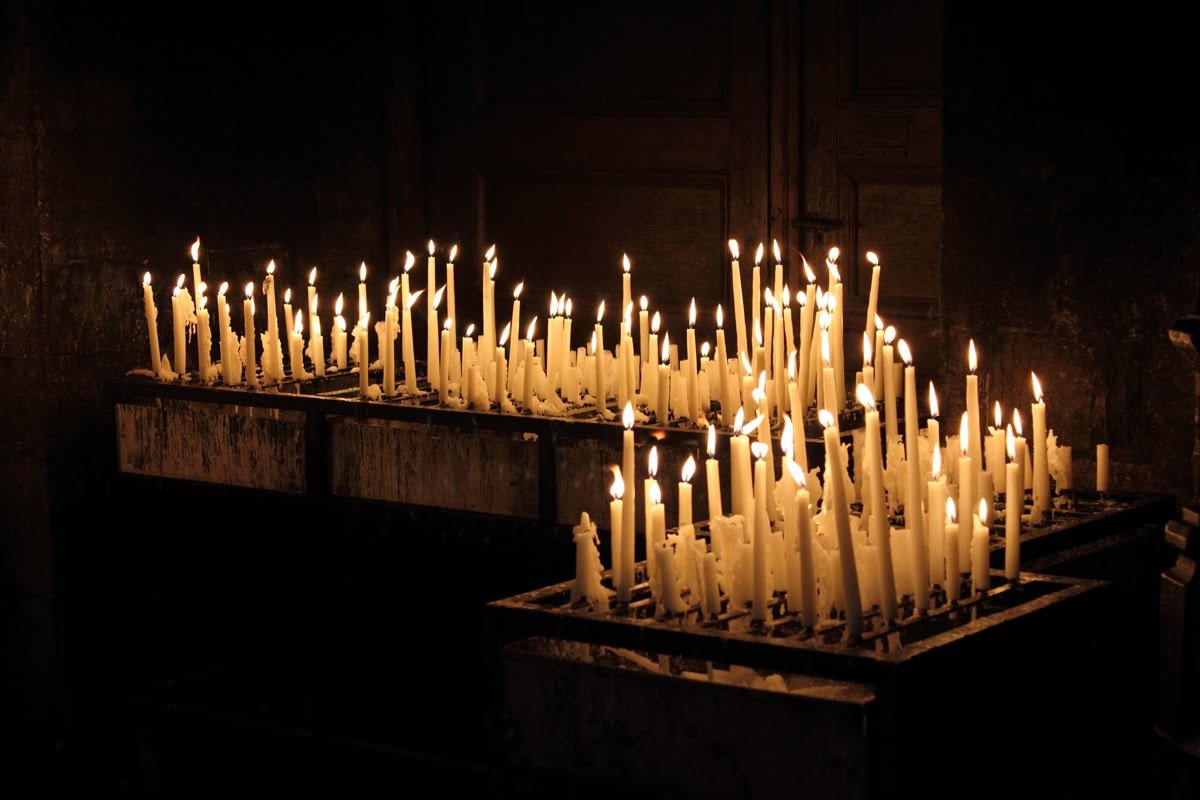
Light Offerings: Small fires, candles, or sky-lanterns lit in reverence to Ze-Nyt.
Breath Songs: Communal harmonies performed in honor of Wa-He.
The Balancing: Enacted dances or plays of Agnidha and Velaja during solstices.
The Listening: Silence under the stars, meant to attune to the Cosmic Strings.
Daily Life
Ethical emphasis on "Good Works.” Healing, caretaking, beauty, and mercy.
Discourages waste, destruction, or needless violence, or “acts of discord.”
Sacred professions include: healers, poets, builders, farmers, musicians, peacekeepers.
Aelysitism
“The gods choose the crown, and the crown speaks for the gods.” – Lilith’s Law
Aelysitism is a religion of hierarchy, divine mandate, and predestination. During the cataclysmic War of Horrors, the ruling High Queen of Novaria, Lilith Fyrstrum, issued a sweeping theological reform called Lilith’s Law, declaring that only Eight Divines of the Lysi pantheon were to be lawfully worshipped. They believe these Lysi were the only ones to participate in the involvement of shaping the world and therefore should only be the ones to be worshipped. This was a deliberate consolidation of political and religious power in response to a time of chaos and moral ambiguity.
The Aelysites broke from the older Vascelian traditions, rejecting the Primordials, the opposing Nyxos deities, the “lesser” Torlysi, and what they saw as a dangerously permissive belief in mortal cooperation in salvation.
Their divine hierarchy is believed to be ordered as the Eight Divines at the summit, the Crown as a monarch chosen by divine right, the Clergy who interpret and enforce divine will, and the Faithful who were born to obey and uphold the divine structure. The Primordials and the rest of the pantheon are acknowledged but not worshipped, considered “first forces” rather than personal gods.
The reigning monarch is believed by Aelysites to be divinely chosen and acts as the voice of the gods on the earth. Loyalty to the Crown is equivalent to spiritual obedience and rebellion against the monarchy is heresy. This sect of Vascelianism still remains, yet it was only popular for approximately 50 years before being mostly replaced in 2003 DA | 409 IYC by Solysitism by the demand of kings and queens of the realm. By a vote of 4 to 2, Aelysitism was seen as giving the crown a bad name and encouraging the war to continue if practiced, since Lilith’s Law started the 32-year conflict in the first place.
Aelysites’ perception of faith comes before works. They believe good works are signs of divine favor, not requirements for salvation. Mortals do not cooperate in their salvation; they are either chosen or not. Free will is illusory and the faithful are those predestined by the gods. As for salvation, Aelysites believe the soul’s fate is determined by divine will, not mortal action. Salvation is a mark of grace, visible through prosperity, piety, and obedience.
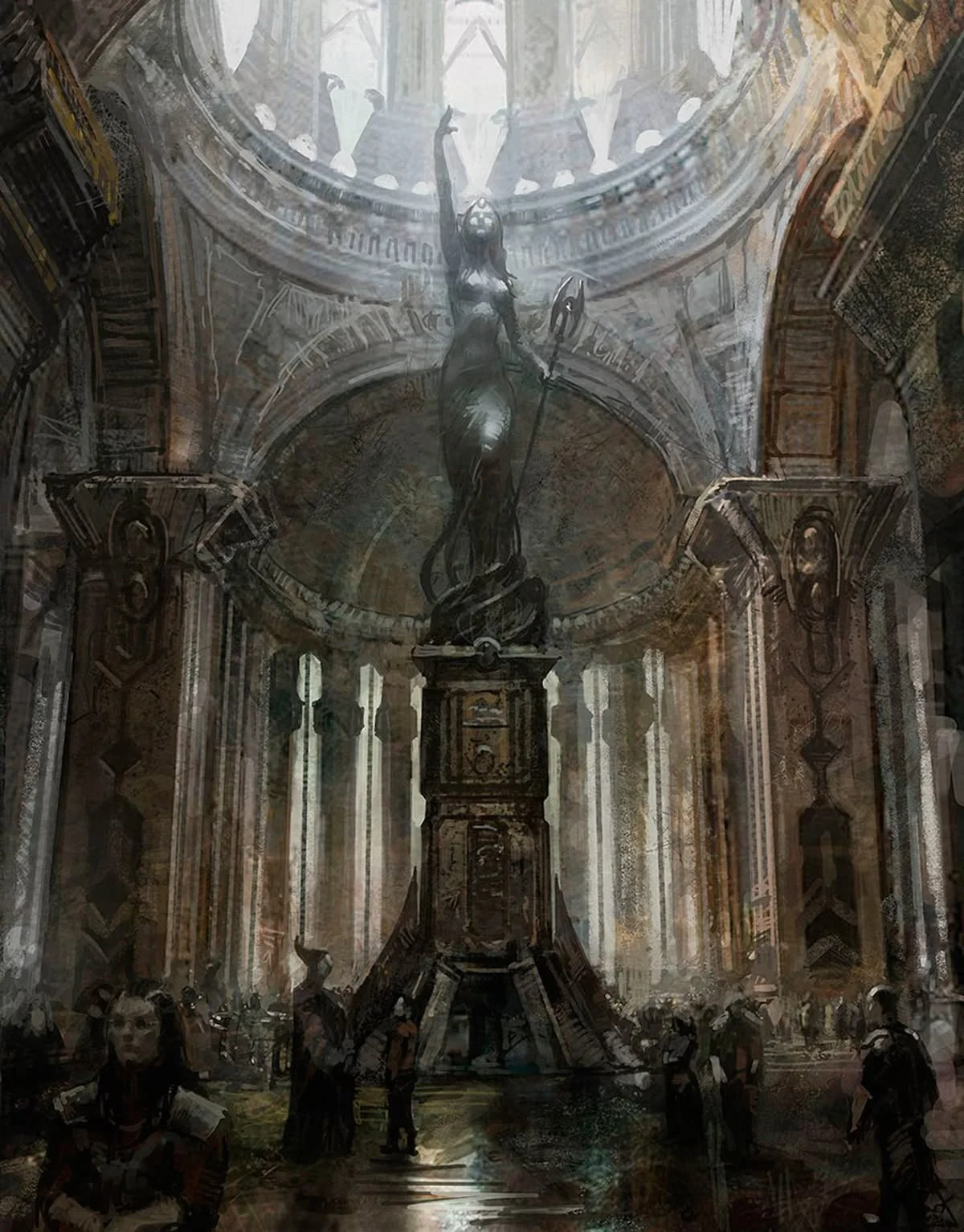
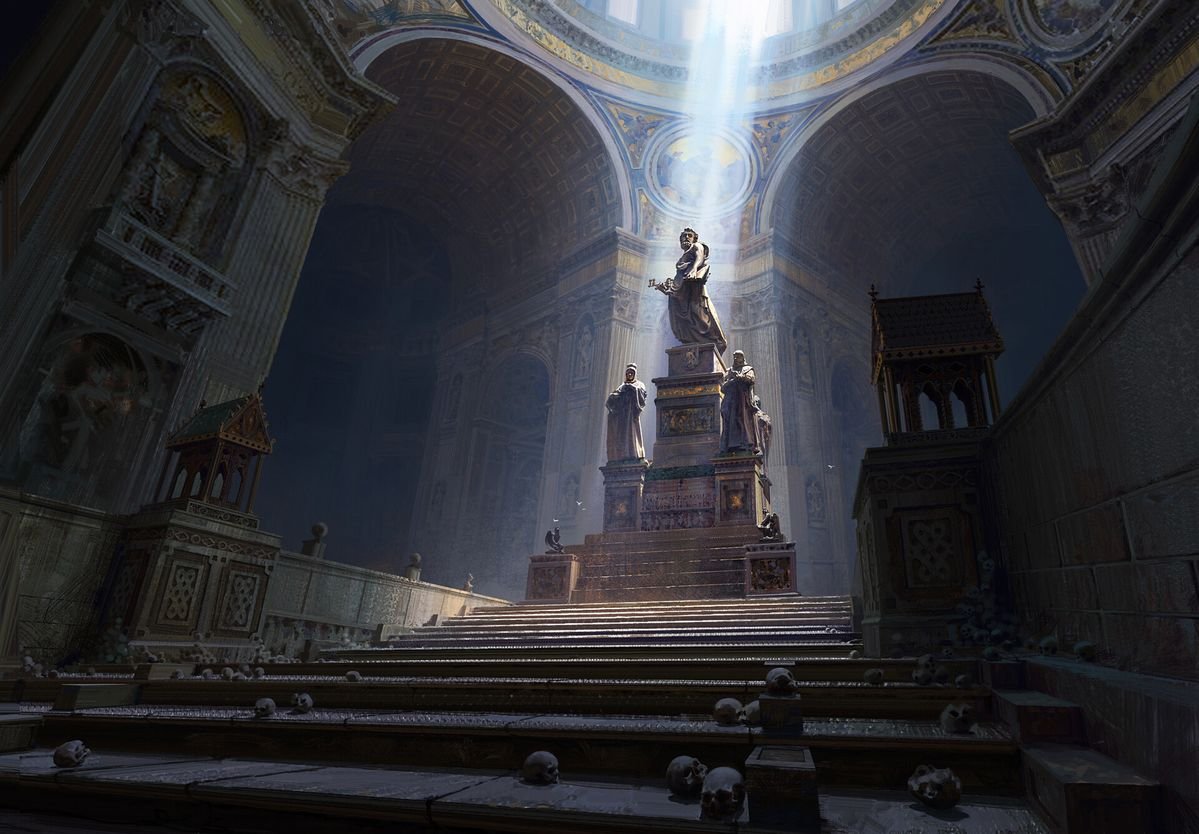
Aelysium is the general term for any Aelysite temple. Each temple has a formal name tied to its region, patron deity, or historical founding. For example, there is the Octdeori Temple in Noetica, the capital city of Novaria; “Temple of the Eight Gods,” the central cathedral of Aelysitism. Temples are built to reflect geometric perfection, vertical ascent, and order. Their architecture contrasts with the fluid, open temples of the Vascelians.
Solysitism
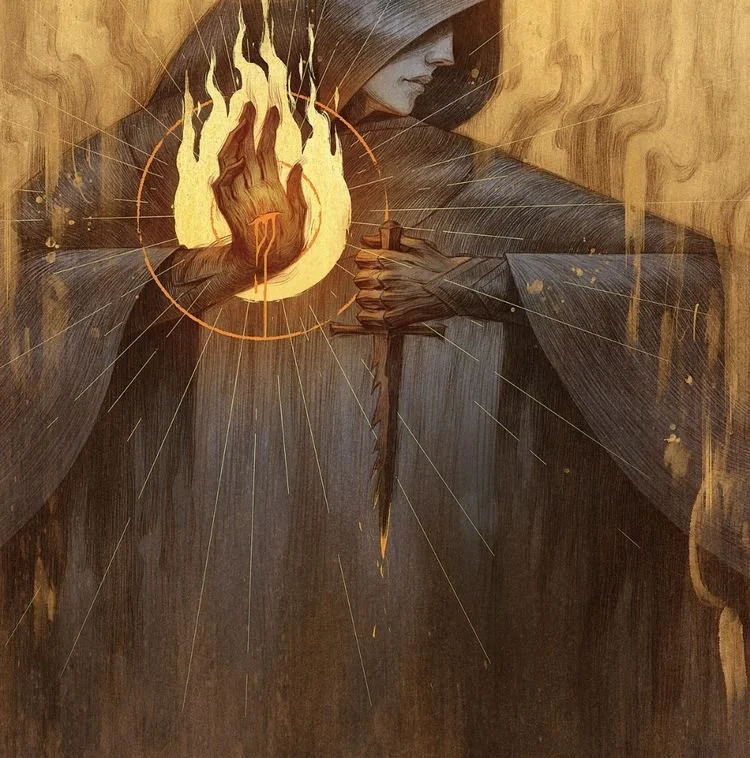
A faith of light, law, and mystery, born out of war, redemption, and schism. Solysitism emerged in the aftermath of the War of Horrors, a cataclysm that fractured empires, faiths, and families. Its origin lies in the collapse and reform of Aelysitism, following the assassination of High Queen Lilith Fyrstrum. Her daughter, Resilia II, crowned at age twelve, launched a brutal holy war against the Ryggrad’n Alliance and all non-Aelysite peoples. These actions stained Aelysitism with blood, authoritarianism, and mass violence. In the post-war years, the faithful, who were wracked with guilt or disillusionment, restructured their beliefs into a new sect: Solysitism, or the Path of Light, Law, and Mystery.
Doctrine:
✧ The Threefold Whole:
Solysites believe in three Sacred Essences, inseparable in divine harmony:
The Light – illumination, mercy, goodness, justice.
The Law – divine order, balance, responsibility, structure.
The Mystery – the unknown, the spiritual path, personal revelation.
These are not three gods, but three reflections of the same divine nature. Solysites believe every being is called to walk in tension and unity with all three.
✧ Faith and Action
Central tenet: “Faith, without transformative action, is dead.”
Solysites reject both passive mysticism (Vascelian excess) and blind obedience (Aelysite tyranny).
Salvation requires free will, and must be enacted through moral courage, service, and introspection.
✧ Free Will and Discipleship
While divine order exists, humans are not puppets of fate.
Every person is responsible for shaping their soul through choices and consequences.
Discipleship is the conscious pursuit of embodying light, law, and mystery in thought and deed.
✧ Decentralization of Divine Authority
While Solysitism often remains imperial-friendly, it does not place the monarch as the voice of the divine.
Authority must be earned through wisdom and righteousness, not simply birthright.
Cleansing and Consequences: The Death of Svaramystri
One of the most controversial acts of postwar faith was the de-deification of Svaramystri, the Goddess of Magic.
During the War of Horrors, magic was widely used in devastating, corrupting ways by both the Abyssal cults and rogue sorcerers. In response, a conclave of Solysite elders cast Svaramystri out of the pantheon, declaring her worship heretical and her divine essence “nullified.”
This act triggered mass protests, riots, and open rebellion from magic-wielding faithful, many of whom were:
Deported from imperial provinces.
Hunted and executed.
Forced into underground sects or exile in non-imperial territories.
To this day, many scholars and dissenters refer to Svaramystri’s fall as The Snuffing of the Ninth Flame.
Tensions and Traumas
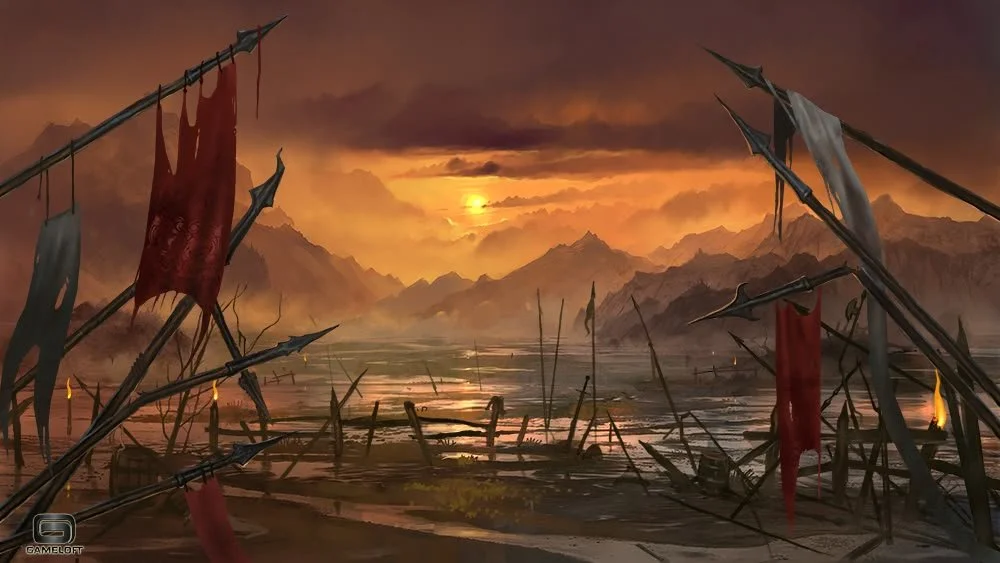
Solysitism is a religion of progress, guilt, and contradiction. It tries to do better, but cannot fully escape the shadow of its forebears.
Lingering Issues:
Imperial loyalists still treat non-imperials as “lesser,” despite doctrine of free will.
Many temples are still run by former Aelysite clergy who quietly resist reform.
Magic users, even peaceful ones, are widely distrusted or criminalized.
Solysitism attempts to be a reconciliatory faith that incorporates action, responsibility, and reflection. It challenges imperial absolutism but often remains entangled with it.
It revives the soul of Vascelianism while retaining the discipline of Aelysitism, but suffers from its own political compromises and unresolved trauma, particularly surrounding magic, exclusion, and the myth of divine purity.

Vespericism
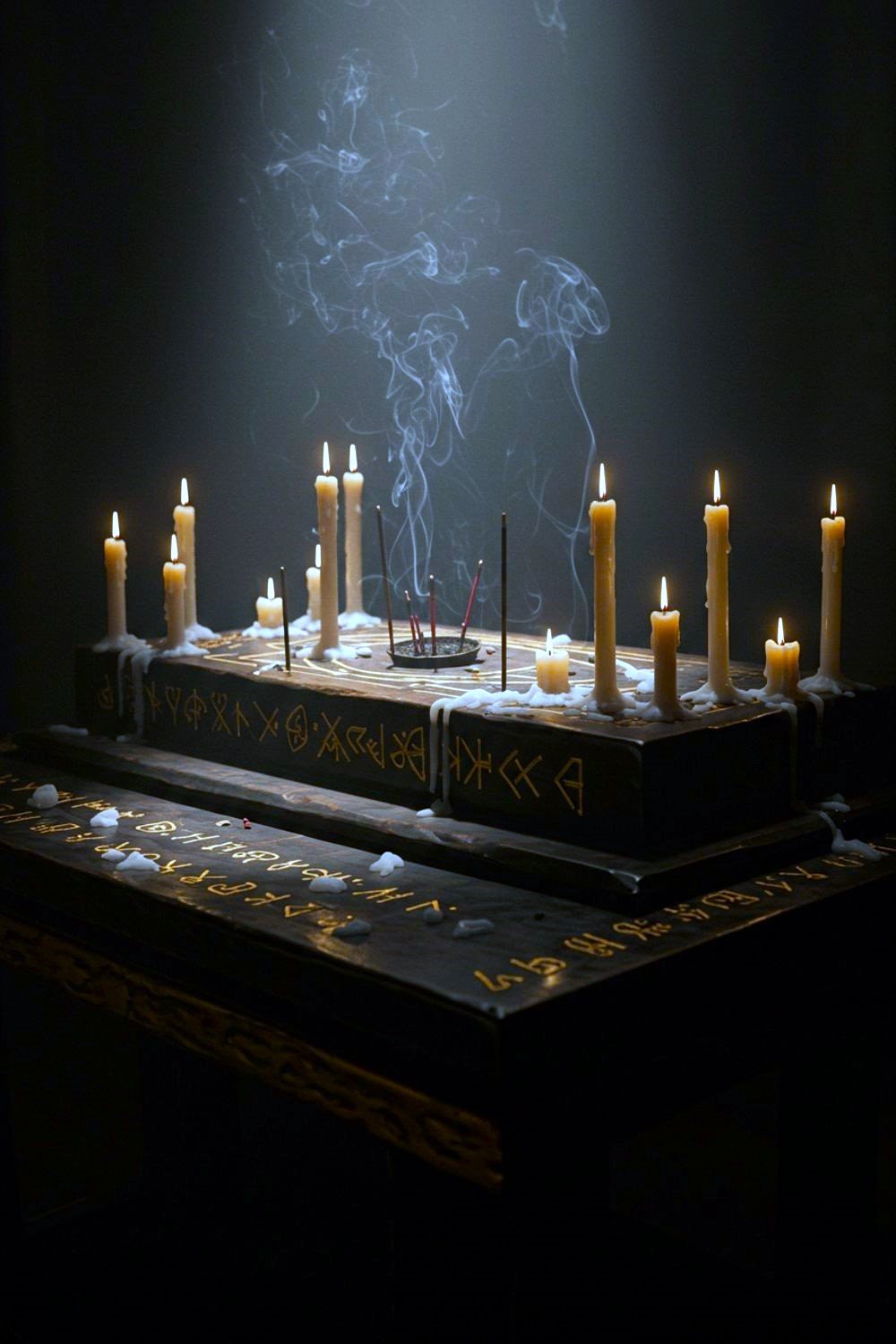
A nocturnal, heretical faith filled with mysticism. Vesperics are those who worship the Nyxos, often called the Unhallowed or Opposing Gods. These are the children of Kroth, a faction of the Lysi who, according to the Lys Ursunga, once attempted to cleanse the world of its corruption. For this, they were imprisoned above the earth, forming the great moon that now orbits the world. Two lesser moons, the Titans of Twilight: Svita (Dawn) and Sumra (Dusk) are said to guard their celestial prison as they cross the sky.
To outsiders, Vespericism appears cultic, even nihilistic. To its adherents, it is a religion of accepting abandonment, embracing the twilights of life, surrendering to the divine instincts mortals were shaped from. These darker instincts (deceit, conflict, domination, gluttony, and doubt) are viewed elsewhere as sins, but Vesperics believe in mastering them. Vesperics hold dear that if the Nyxos helped form the world, including the mortal soul, then those same impulses must carry sacred weight. Thus, to indulge, mindfully, is to become god-like.
Vesperics are not evangelists. They seek closeness, not conquest. Their worship is ritual concealment, sacred silence, and devotion to the Titans of Twilight.
Core Beliefs
✧ Abandonment by the Divine
The gods have forsaken the world.
The Lysi turned their faces from mortals, allowing corruption.
Only the Nyxos remain, trapped within the moon's prison-shell, distant but ever-watching.
✧ The Twilight Doctrine
All things move from light to dark, from song to silence, from presence to absence.
Dusk and dawn are sacred. Moments of in-between, of neither life nor death, of ambiguity.
The goal is not salvation, but preparation for the fading.
✧ Silence as Sacred
Speaking is discouraged in rituals; chanting is done through breath, not voice.
Silence is believed to draw one closer to the Nyxos, who can no longer scream or weep.
Vesperics believe sound keeps the gods away, but silence brings them near.
✧ Ritual Concealment
Vesperics often wear veils and hoods during worship to conceal their faces, just as the moon conceals the Nyxos.
Vespericism is not about power or salvation, it is a quiet resignation, a ritualized grief, a faith that still dares to look up at the moon and whisper. Where others see abandonment as a curse, the Vesperics have made it holy.
Hepist Palnaism
A totemic, emotion-centered tradition of ancestral balance and spiritual intention. Hepist Palnai, translated into the Common Tongue as “Fist and Palm,” is a spiritual system rooted in the Lands of Dolornjaa and primarily practiced by the Sykari people, whose rich magical heritage and ancestral memory inform every aspect of the faith. The Hepist Palnai belief system is deeply personal, tied not to strict doctrine, but to the land, ancestry, and a balanced state of being. Each emotion is seen neither as sin nor virtue, but as a spirit to be honored and carried with intention.
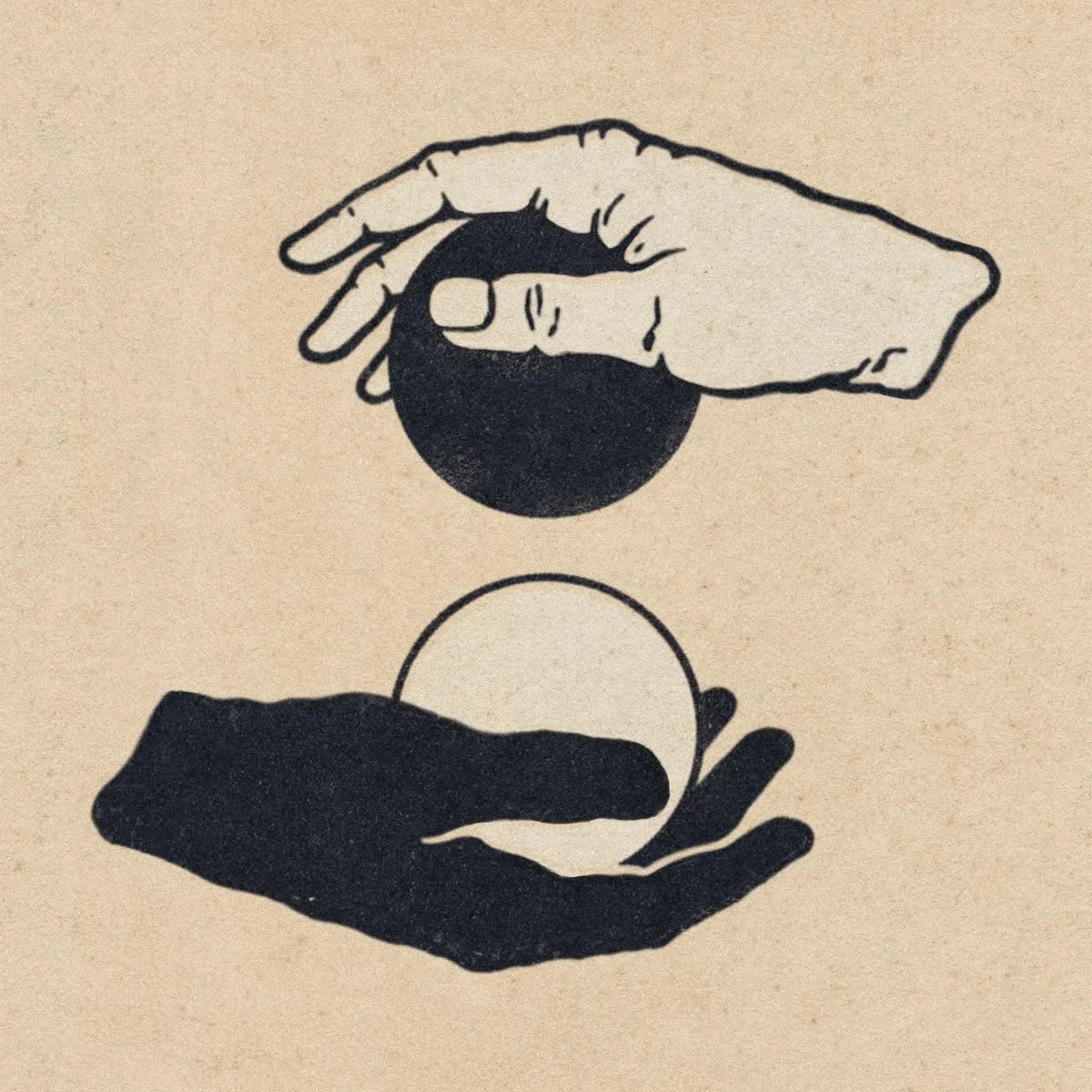
Rather than worship gods in a structured hierarchy, followers of Hepist Palnai revere Tribal Aspects. Totemic spirits that embody Ten Core Emotions, five of which belong to the Closed Fist (negative or destructive emotions) and five to the Open Palm (positive or restorative emotions). These Aspects are not seen as moral judgments, but forces within all people to be honored, tamed, and balanced. All ten spirits are believed to be expressions of a singular divine essence, the One Who Feels, often represented as a Great Spirit or Ancestor-Who-Was-All. Some connect this to the Goddess Kroth, whose five severed fingers are said to have birthed these emotions as living spirits, a myth that overlaps with other major religions, yet takes on different cultural meaning here.
Core Beliefs
✧ Emotions Are Spirits
Every emotion is living, not metaphorical.
Emotions are not sins or virtues, but spiritual forces that must be carried with intention.
To suppress a spirit is to anger it. To indulge it blindly is to become possessed by it.
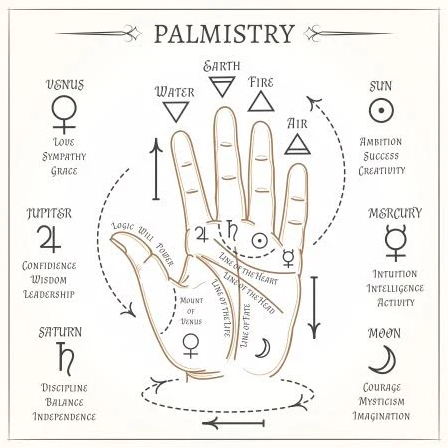
✧ The Balance of the Hand
The Closed Fist represents the five destructive emotions:
Thumb – Grief and Suffering
Pointer – Desire and Lies
Middle – Rage and Conflict
Heart – Fear and Doubt
Little – Greed and Selfishness
The Open Palm represents the five healing emotions:
Thumb – Joy and Admiration
Pointer – Truth and Resolve
Middle – Serenity and Clarity
Heart – Courage and Hope
Little – Compassion and Loyalty
Totemic Spirits
Each of the ten emotions is embodied by an animal or elemental totem. These vary by clan, but the most widely accepted “pantheon” of spirits includes:
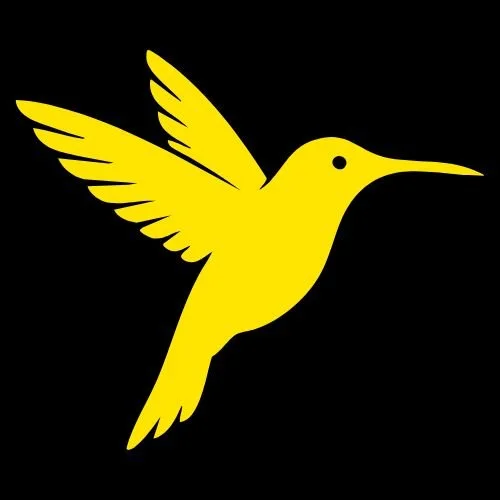
Trochili
Yellow
Hummingbird
Joy, brilliance; fleeting and bright, echoing the “fluttering soul” idea behind butterfly

Brehdoh
Green
Tortoise
Resolve and rootedness; solidity and life cycles
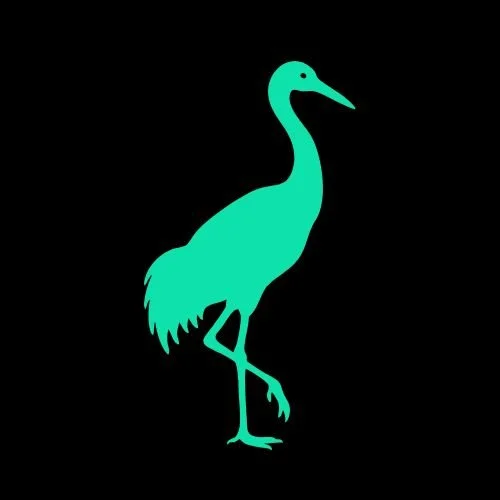
Ardea
Turquoise
Heron
Stillness and clarity amid turbulence; heron’s symbolic purity and calm

Tajhoro
Azure
Dog
Loyalty, empathy; grounded and protective
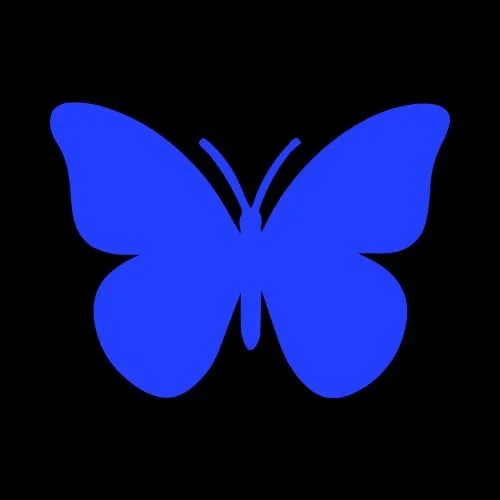
K’elunhe
Blue
Butterfly
Transformation and unseen possibility; the metamorphic mythology of the butterfly
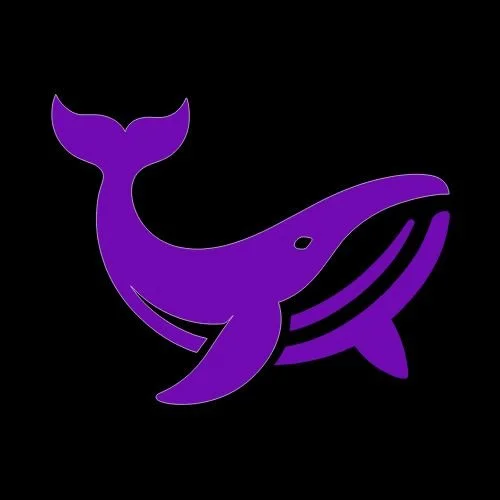
Outilus
Violet
Whale
Deep mourning, ancestral sorrow; vast, echoing depths

Sephais
Pink
Fox
Longing, charm, temptation; cunning and elusive
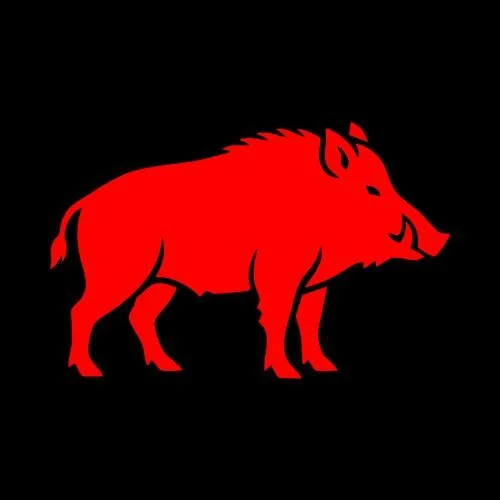
Suskorr
Red
Boar
Fury and righteous destruction; unstoppable force
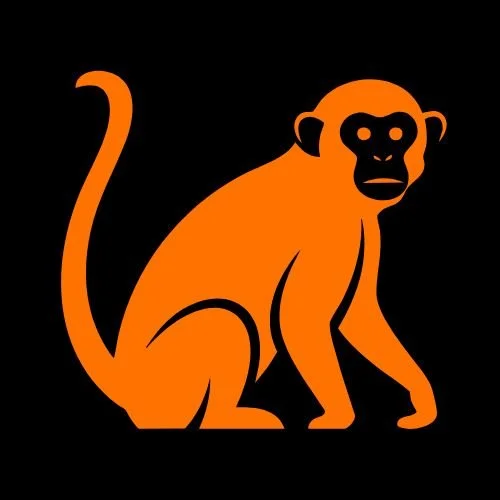
N'khula
Orange
Monkey
Restless hunger, selfishness; curious, grasping
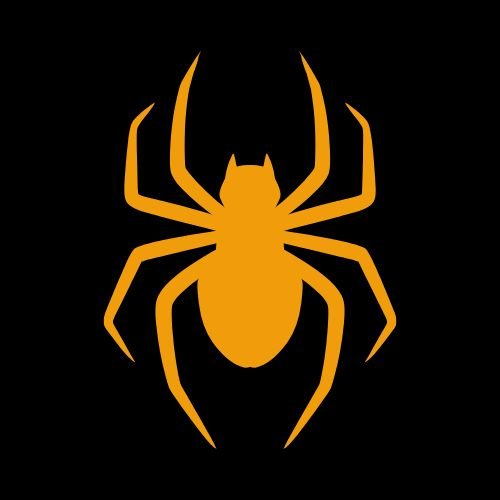
Xirra
Amber
Spider
Paranoia and survival; delicately cautious, deeply interconnected
Behind the Fist & Palm
Both the open palm and closed fist are sacred, along with all the Totemic Spirits. One side is not better than the other. Both are needed to form the whole hand.
✧ Intention Is Everything
“If we are pushed in the wrong direction, we learn to pull ourselves back.”
The spiritual path is not about purity, but returning to center.
Each day is a dance between Fist and Palm, shadow and light.
✧ Deep Personal Practice
There is no central scripture or rigid hierarchy.
Faith is transmitted through ritual, oral story, body memory, and totemic inheritance.
Worship is tied to ancestral spirits, emotional maturity, and the land itself.
Devotees learn to balance themselves with the Spirits that push and pull. “If we are pushed in the wrong direction, we learn to pull ourselves back.” Followers of Hepist Palnai are most commonly well-versed in magic, found in the Lands of Dolornjaa, and are primarily of Sykari descent, where the tradition has been passed down for untold generations.
Cult of the Abyss
Those who follow the teachings of Prophet Aldrivar are known as Abyssals, devotees of the Cult of the Abyss, a belief system teaching that the world of mortals is a flawed and chaotic design, an unbalanced cacophony of suffering, selfishness, and false freedom. What others call free will, Abyssals call the Curse of Being. This is not a religion in the traditional sense, but a total commitment to the unraveling of creation and its reordering under one unifying principle: the obliteration of all falsehoods, freedoms, and suffering through submission to the Void, also called Nûlnan – the Great Solitude – through the teachings of the Prophet Aldrivar.
Origins and Doctrine
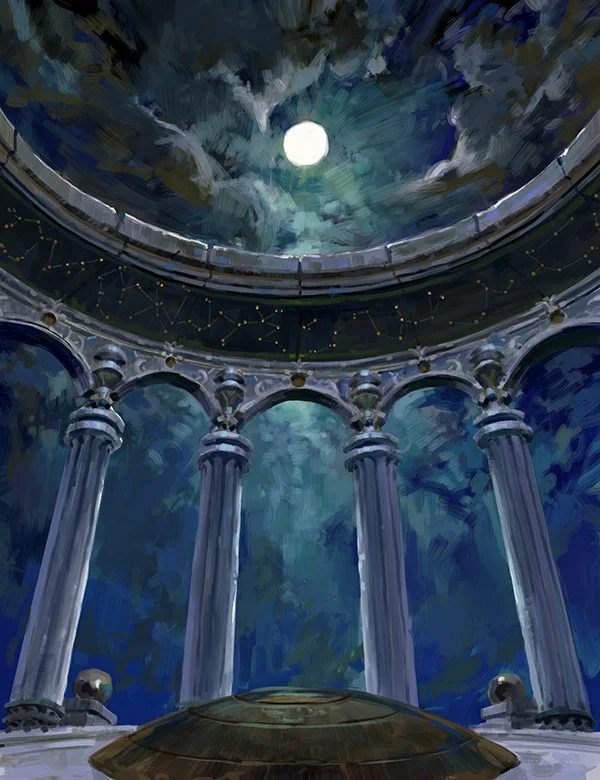
The Cult shares a rare belief with the Vesperics: the Nyxos gods, once part of the Lysi pantheon, attempted to purge the world of its suffering, but failed, and were imprisoned within the great moon as punishment. Where Vesperics mourn this loss, the Abyssals seek to complete the cleansing.
They believe that because the Nyxos’ cleansing was interrupted, the world of Oliel has festered, riddled with delusions, false hope, unchecked horrors, and meaningless suffering. The cult’s answer is not communion, but completion.
“The world is not broken. It is a womb. What grows within must be carved out.” – Aldrivar
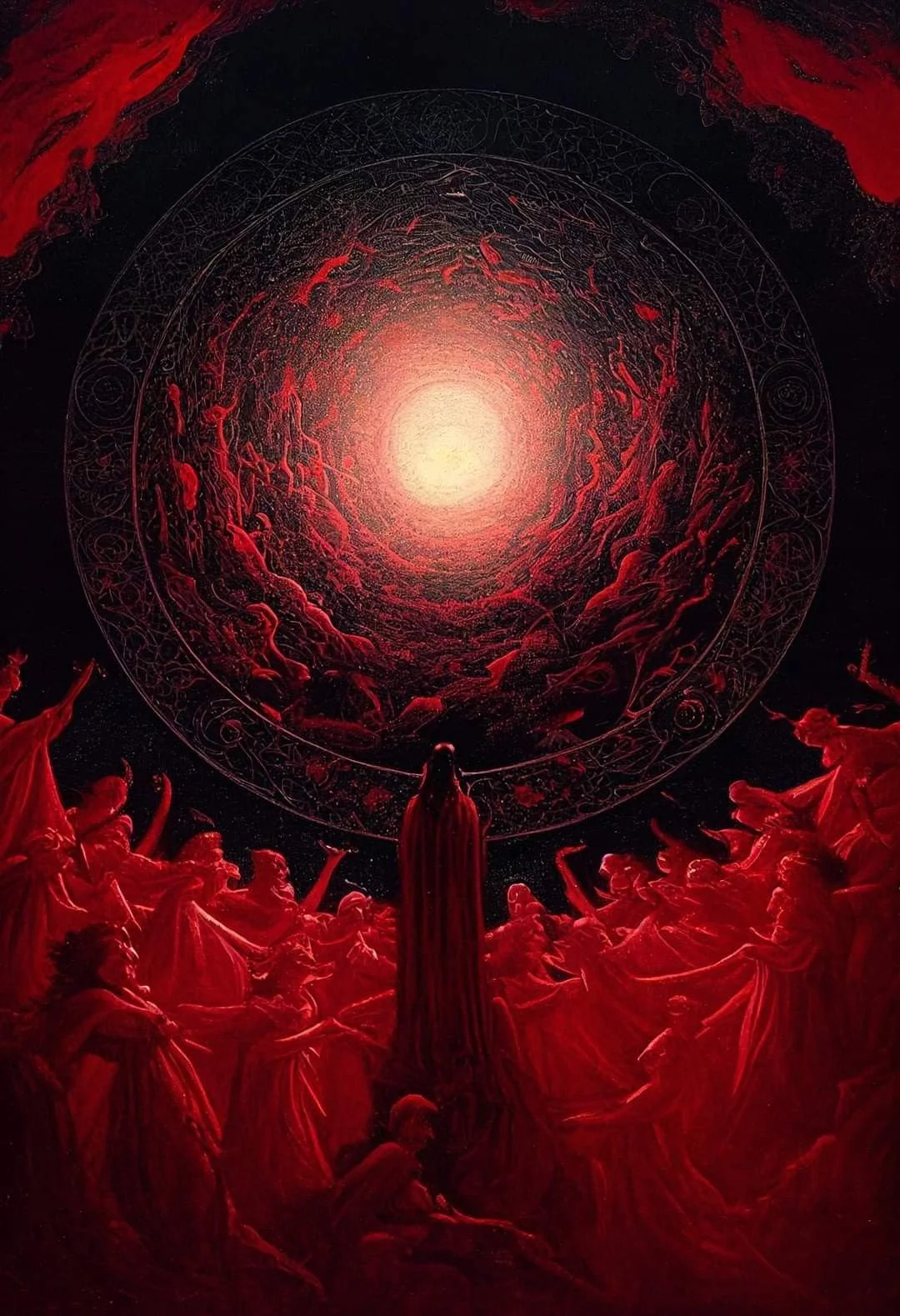
The solution lies in the teachings of the Prophet Aldrivar, whose divine vision offers salvation through perfect obedience and order. “To live is to suffer. To suffer is to find meaning in that suffering.” The only will that matters is Aldrivar’s. The only hope is Aldrivar’s. All other desires must be silenced. Arcane magic is the Prophet’s scalpel, wielded to carve the world into obedience. Followers learn it not to liberate, but to align. For a follower, this power is used to change and reorder the world. Abyssals reject individualism, free will, emotion, and even identity. To live is to serve. To follow Aldrivar is to dissolve the self and become a vessel for a singular divine will. Through his glory, one may be reborn in truth and light as an instrument.
Many outside the movement regarded its doctrine as contradictory. Cultists venerated a singular divine Light in the form of the Prophet Aldrivar, yet named themselves after the Abyss and spoke constantly of Nûlnan (the void, emptiness, and annihilation). To critics, this appeared hypocritical or nonsensical. Followers of the Abyss, however, argued that the Light was not a force of creation, but one of revelation: a truth so absolute that it exposed reality as a flawed and temporary illusion. In their view, the Abyss was not the opposite of the Light, but its inevitable destination.
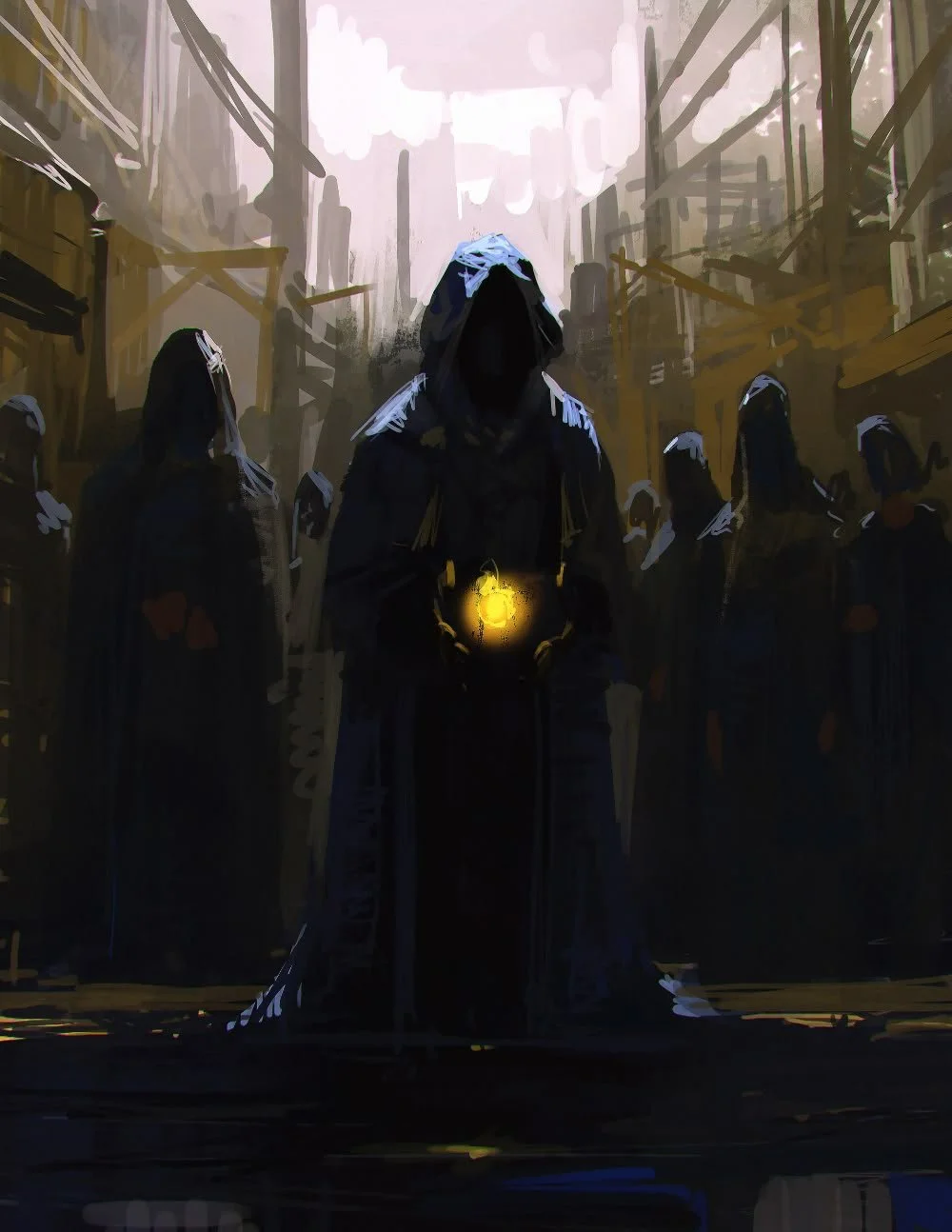
Yet the cult was not without mercy. It welcomed the dispossessed, the outcasts, the pariahs, and the undesirables, those broken by the world, and showered them with love, loyalty, and protection as only a proper family could. Within the Abyss, suffering became sacred. Scars were not hidden, but exalted. Flaws were not shamed, but transformed. Through ritual and magic, initiates were changed, often physically or mentally, their personal wounds reforged into power. Each initiate would be stripped of name and self. The Abyss took pain and gave it purpose as a tool of the Prophet’s design. “This is love, in the way a sculptor loves stone.”
Magic within the Abyss is ritualistic and transformative. Not for liberation, but for subjugation and alignment. It is an initiatory tool, a key to un-being, and an instrument of conquest and cleansing.
“The truth is the light. And the light is Aldrivar. Give in.”
“You call unto the abyss and it calls in return. Give in.”
The Prophet Aldrivar
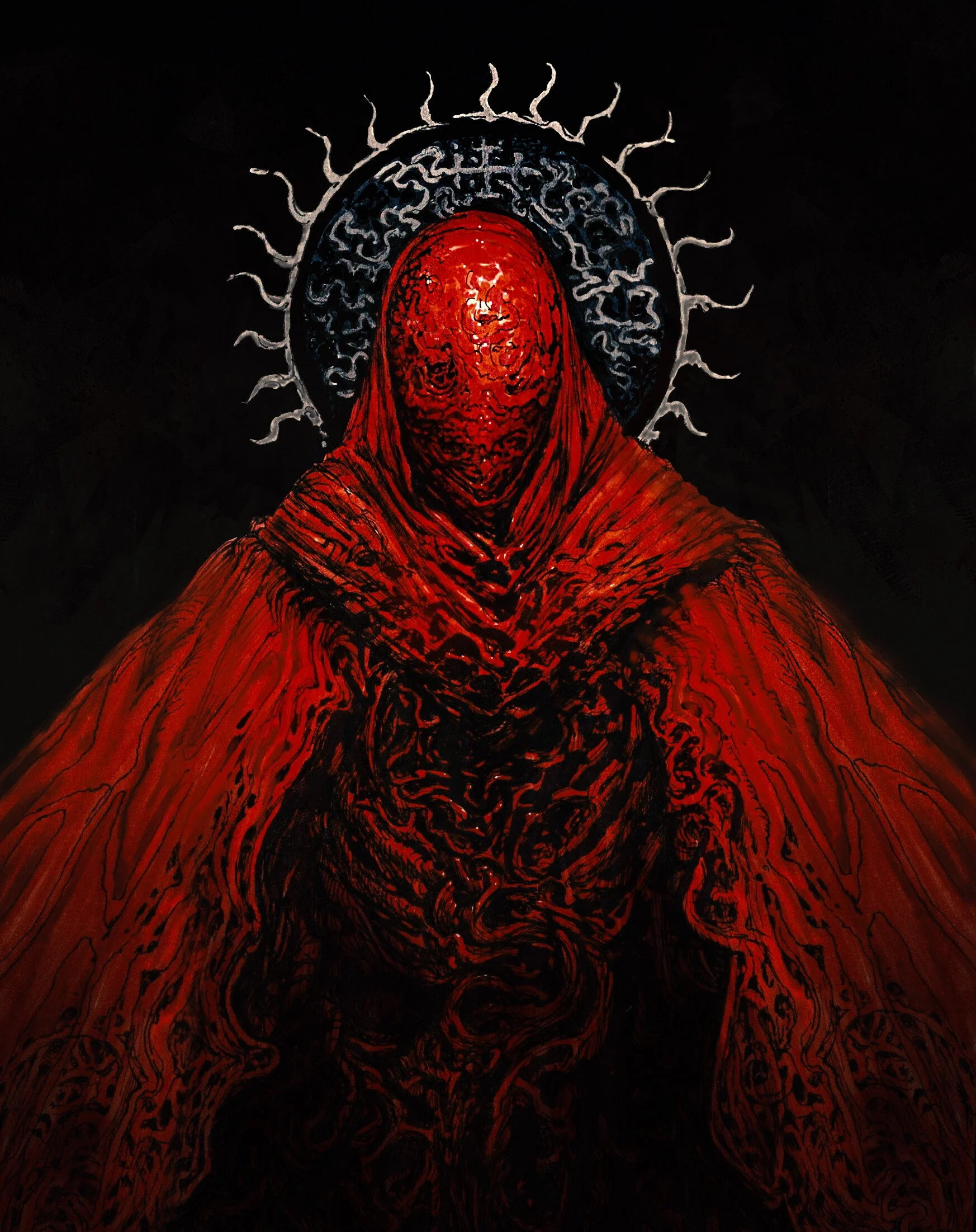
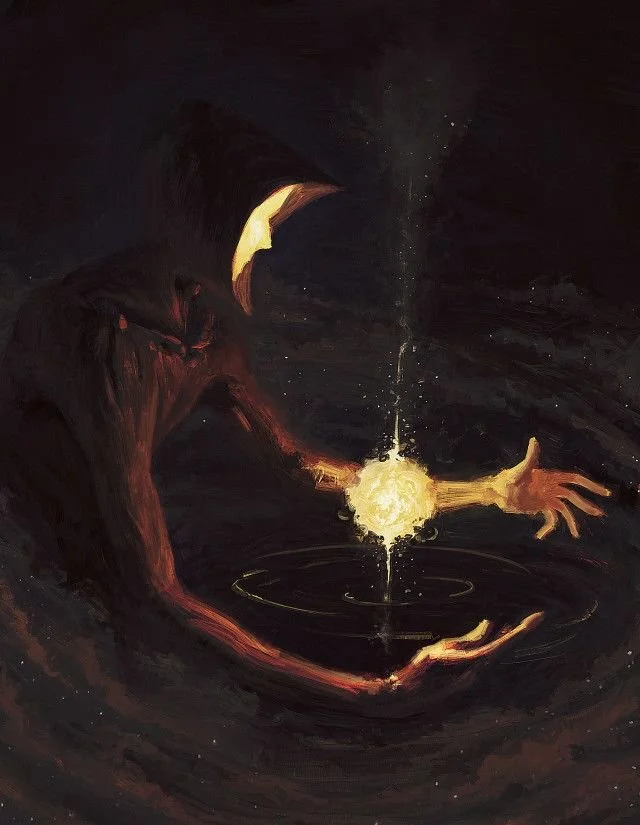
Aldrivar, called by many names (False Light, Great Tormentor, King of the Neverwere) is the charismatic and terrifying founder of the Cult. Born during the War of Horrors and allegedly within an internment camp, he knew nothing but pain and violence. As an adult, he was a diviner and healer blessed with uncanny visions and magical talent. In his search for peace, he journeyed to Hyparimor, the Arcane Academy, where he encountered Alanj’nezah, known as The Schism, and received a prophecy of unspeakable depth: A vision of time unraveled. Century upon century of plague, war, and betrayal. In the heart of this vision, Aldrivar entered Nûlnan, the Great Solitude. There, he beheld the truth: life is not evil, but flawed. Its design must be completed, reshaped by a single divine will.
To bring peace, Aldrivar knew he must become as powerful as a god. He vowed to unleash the Five Unhallowed, imprisoned within the Nyxos moon, and reshape the world in his own image. He shed his name, his soul, his purpose. What remained was Aldrivar, Lord of the Abyss.
Aldrivar sees himself not as a tyrant, but as a healer to the world’s sickness, extending a hand to the wounded world, to burn and prune away the rot. This, he sees, is a comfort.
“Be not afraid for I am become death, and I shall carry thee as a parent carries their half-sleeping child to bed, gently giving a kiss upon the brow.”
Beliefs
✧ The Curse of Being
The world is chaos clothed in flesh. What mortals call freedom is the Curse of Being. All will, all desire, all hope must be unmade
✧ Only the Prophet’s Will
There is no self but Aldrivar. There is no light but his flame. Obedience is devotion; to serve is to be.
✧ Pain is Purpose
Suffering is sacred. Emotion must be transmuted. Scars are scripture. Grief becomes strength. Let pain be carved into power.
✧ Magic is the Tool
Power is not transcendence, it is submission. Magic is a blade, ritual is the whetstone. Through arcane unmaking, flesh and soul are forged anew. Only pre-approved tools may be used in service of the Prophet. All else is profane.
✧ The Prophet is the Path, Nûlnan is the End
Aldrivar is not a symbol. He is the means. “Only through the Prophet can mortality rise above the misery of its own making.” Beyond the firmament lies Nûlnan. From this womb of void, true order shall return.
Legacy & Fear
Though imperial records brand Aldrivar a terrorist and madman, many see him as a myth, a cautionary tale, or even a messiah-in-waiting. Some claim to have seen him walking, ageless. Others say he died long ago, and the cult simply continues his myth. But among those who’ve lost everything, the Abyss offers a strange kind of hope: A world where there is no fear, no hunger, no sorrow.