Thraelli
The Thraelli are an incredibly intelligent tribal people, extremely in tune with the natural world, who live as part of clans. Several clans can reside within each tribe of people. There is no clear founding or clear concept of origin of any clan. The clans themselves are as old as the people. Within Thraelli culture, it is almost impolite to ask what someone else’s clan is, because as they say, “Reasons.” Sometimes, the identity of being in a clan is used as a social status outside of each clan along with grasping for an identity in recent times.
Keepers of the Old Tongue and the Old Ways. Across the broad frontiers where the empire’s roads fade into the horizon and wind, the Thraelli wander. Legends say they were born before humans from dust and soil; the first peoples of the plains and forests, created by the gods to befriend and care for all that walked upon the world. They live by the rhythm of the seasons, guided by stars, storms, and spirits.
All stories, dances, oral traditions, and language are timeless, since the Thraelli have always been “upon the back of the Great Behemoth.” These people are beings of the lands, the stewards of nature. Thraelli do not really have a concept of ownership as far as land is concerned, though councils are held to establish boundaries.
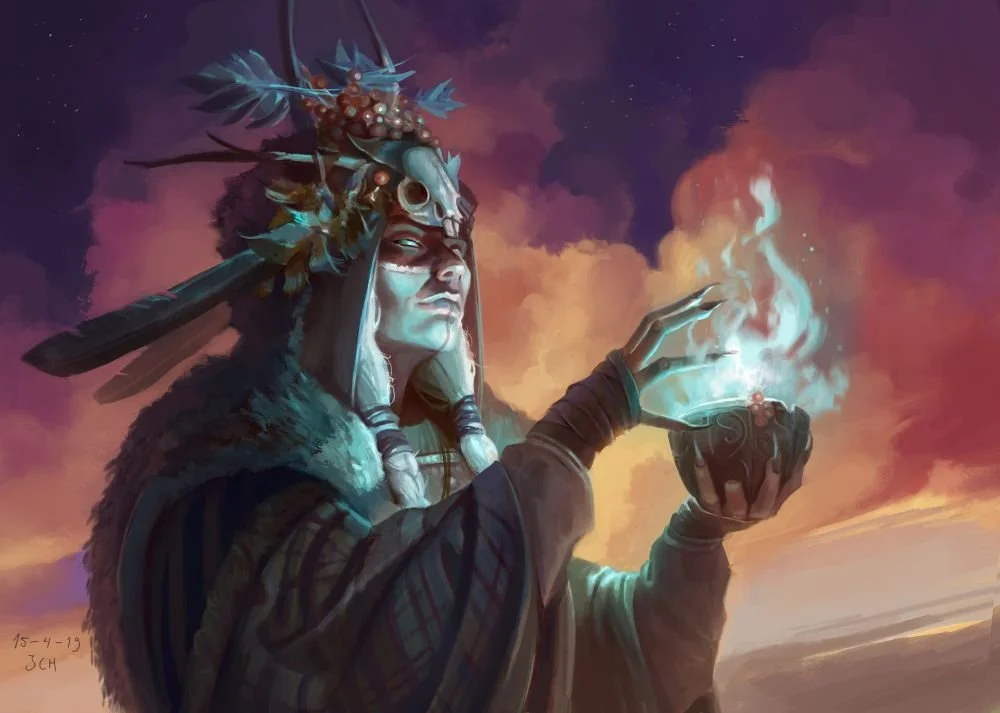
The songs and dances of the Thraelli (which are not so much as songs, as they are prayers in song form) are extremely important to their culture. There is a song for everything. For instance, before and after hunts, planting and harvesting, a way to gather and a ritual and song specific to how to gather because the plants speak to them. There’s even a song about keeping a snake from biting yourself or others. Certain dances are only meant to be performed at certain parts of the year. The Eagle Dance, for instance, is only supposed to be performed in the winter time. It’s a dance of peace and is also considered to be a victory dance. Even magic is more or less in song or dance form. It is more connected to nature, the magic is not as tamed, and is raw like the wilderness. Shapeshifting and conjuring are primary in the magic practice.
Contents
1. Background
1.1 Pronunciation, Overview, etc.
1.2 Origins & Identity
1.3 Cultures & Traditions
1.4 Recent Years
1.5 Story of the Grehn Viveleah
2.1 Nirikota People
2.2 Aruvaen People
2.3 Vanyonra People
2.4 Koheolyn People
2.5 Ruun’tahl People
2.6 Tykeeri People
3.1 Diplacement
3.2 Thraelli - Human Relations
Background
“Þrælli — The Principal People — Ahniha Arithraell”
Pronunciation: THRAY-lee
Self-Name (People/Continent): Ahnoh Un’wuiia
Language: Ancient Patalian (Old Tongue), Thraellian
Notable Tribes: Nirikota • Aruvaen • Vanyora • Koheolyn • Ruun’tahl • Tykeeri
The Mother Town: Ahnok Tuog’hi — a hidden gathering place known only to the clans
Origins & Identity
The Thraelli call themselves the Principal People, for in their oldest stories they did not arrive in Patalia, they awakened from it. Their legends say that long before humans had form or voice, the gods shaped the Thraelli from dust, ash, and soil, and breathed into them a fragment of the earliest divine song.
While Elves were reflections of light, the Thraelli were reflections of sound: resonances of the Primordials’ overtones, echoes of creation’s first harmony.
Thraelli society is clan-bound, and clans are as ancient as the people themselves. Deer, Eagle, Bear, Wolf, Oak, River, Stone, etc. Clans organize into larger tribes, each tribe a constellation of allied lineages.
Cultures & Traditions
The Thraelli mindset centers on Unity, Balance, and T’lu Daen H’nk, the “Right Way”: a sacred blueprint for living, crafting, speaking, planting, hunting, loving, and mourning. It is not merely moral law, it is the architecture of life, shaped by the gods and passed down in unbroken lineage from Ahnok Tuog’hi, the Mother Town. No Human has ever found this place, but every Thraelli child knows the road. It is said that paths open only to those born of ash and song.
There is an importance of male and female Thraelli in their societies. Each has different roles, but over the centuries not much has changed. The male is viewed as a hunter and supporter while the female is the “say-so” of the family. Most males don’t decide without running it by the wife, just another part of “T’lu Daen H’nk.” No one believes they are better than the other. Life and death are viewed as part of the man and woman together. She is the life giver and brings life into the world, in charge of the gardens, and the children. He is the life taker, to provide sustenance or in war times must sustain the people, the males believe they are more expendable in this way. Not every family sees it that way, but if one was to look at the dynamics of each household this is still true. Life and marriage are balanced, it makes harmony.
Recent History
Within recent years, a chieftain addressed their people and Humans at Palace Aria, saying that they, “believe the Human to be a brother of the Thraelli.” It is difficult to discern, but initially the perception of Humans arriving in Patalia was not good, and many did not share this sentiment of them being considered a brother, nor did the Humans want this inclusion at the time as they still thought of Thraelli as savages. Yet, this is not so clear cut, and there has been a lot of back and forth throughout the eras, many clans/factions being torn one way or another.
At first encounters, because of who they are and how they treat one another, they took the Humans at their word and at face value. Then things went awry here and there, the Thraelli people were betrayed, and the Humans went back on their word. They still do.
The Story of
The Grehn Viveleah & the Children of Ash
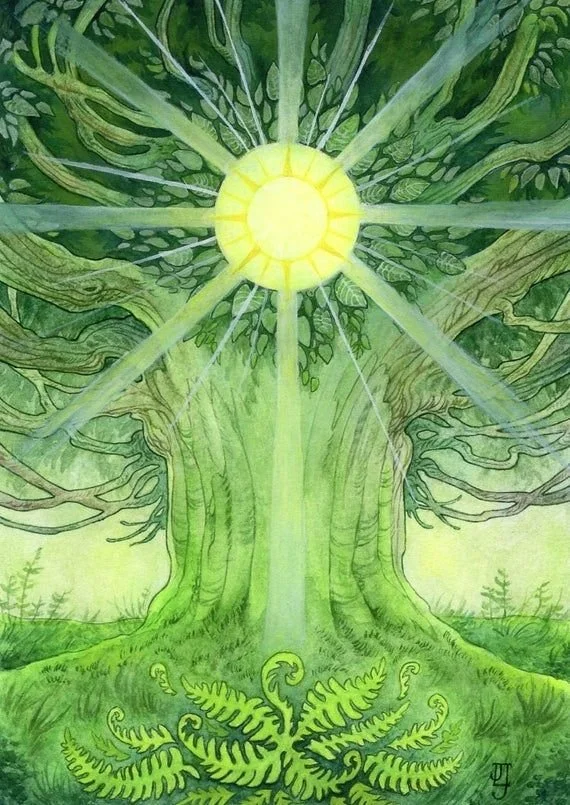
In the first green age of Oliel, when the roots of Geelanvie had only begun to clasp the bones of Storvild, and when Meggalier’s waters had only lately learned their ways, there stood in the middle of the young world a tree unlike any that had grown before or since.
This tree reached deep into the places where soil became stone and stone remembered the shaping hands of the Gods. Its trunk was pale and broad as an Elven tower. Its branches bore leaves of silver starlight and dew of feylight, and from its boughs hung blossoms that opened only when the Elves, the Fairies, and the Lysi lifted their voices together. No hand had planted it. Neither Geelanvie nor Tra’zom had fashioned it. It came by chance, as many holy things do: from seed, song, rain, and light meeting in one place at one time.
The Lysi named it the Grehn Viveleah, the Life Tree of Harmony, and they loved the tree, for it not only received their music. When the Lysi played their songs below its boughs, another harmony rose from bark and root and leaf. Thus, the Gods knew that the tree had a nature of its own. But in those days, the world was young, and the powers of the Gods had not yet learned gentleness.
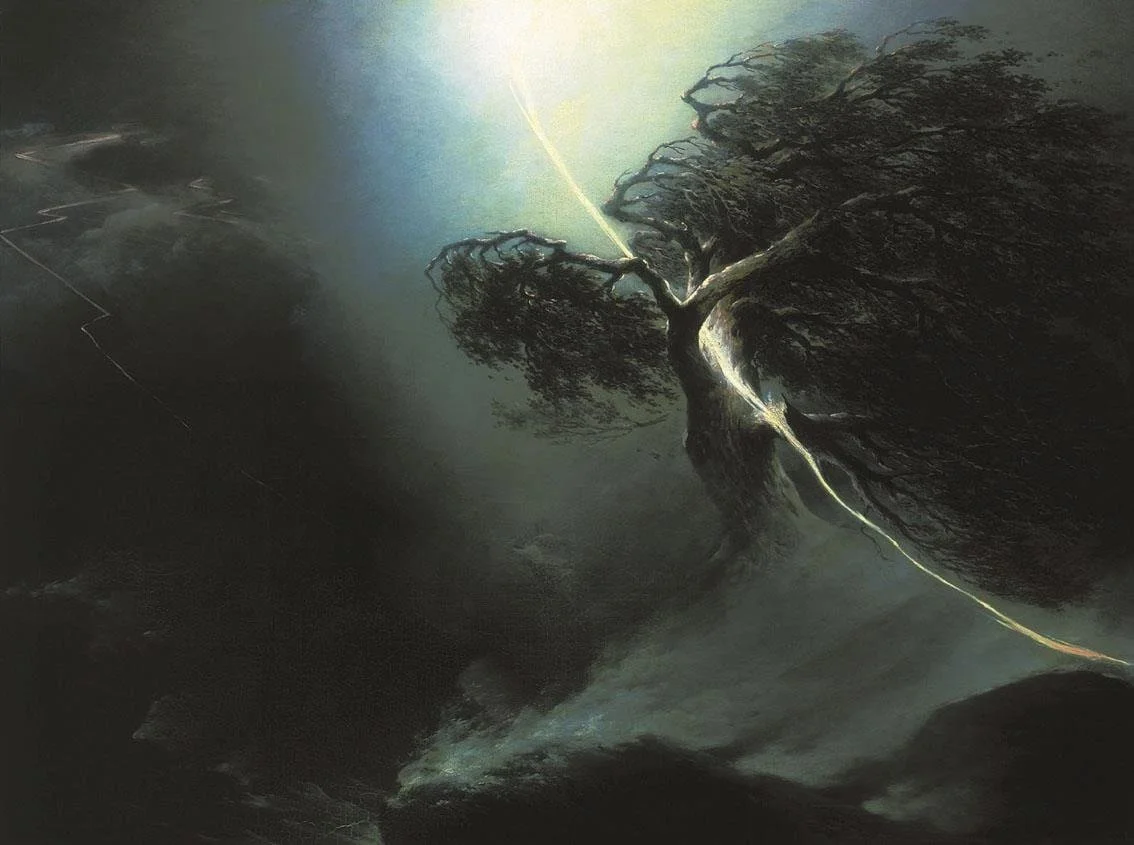
Vaerkana, Seamstress of the Skies, was drawing storms across Oliel. She took the winds in her hands and spun them into dark cords. She stitched cloud to cloud above the Grehn Viveleah, drawing the sky tight with thunder. At that same hour, Nedera, Princess of Summer, crossed the eastern sky with longing for her beloved. Her warmth entered the roots of the Great Tree. Golden sap rose through its trunk. Light filled its branches. Then Vaerkana’s storm broke, and a white spear fell from the heavens and struck the crown of the Grehn Viveleah. The sound of it crossed the world. The highest branches burst into flame. Fire ran from leaf to limb, from limb to bough, from bough to trunk. The tree burned with a brightness that made the creatures of Oliel flee from its shadow.
For three days, the Grehn Viveleah burned. The creatures that had nested in its branches fled in terror! The beasts that had slept beneath its shade scattered into the grasslands and forests. The Elves and Fairies gathered at its roots. They brought much to quench the fire, yet no water could reach the heart of the blaze, and no song could command the fire to depart. The great limbs fell one by one. The Lysi came and beheld the ruin. Their weeping was drowned out by the trunk’s cracking. Geelanvie wept until the grasses and flowers bowed below her tears. Even the five children of Kroth, the Nyxos, stood silent, for no trick could be found in such a wound.
Upon the third day, the sorrow of the Elves, the Fairies, and the Lysi became too great to be held by the earth. Their tears rose into the heavens, which opened. Rain fell softly at first, as though the sky feared to disturb the dead. Then it fell in silver sheets. It quenched the flames. It filled the hollows where the roots had burned away. It carried black ash across the earth and into the rivers. By daybreak, nothing remained of the Grehn Viveleah but a smoking stump, a field of ash, and rainwater shining in the furrows of the ground. All sat in mourning, for the Great Tree was gone.
Then came Wa-He and Ze-Nyt, the Primordials, the sires of the Lysi. They descended from Aurínvascil and stood before the ruin. Ze-Nyt shone her light upon the wet ash, and Wa-He sang a great lamentation. As they did, the earth started to stir.

Six forms rose from the ashen ruin.
The first pair rose where lightning had split the crown. One was lean and worn from the wind, with pale branching marks upon their skin. They followed the fleeing beasts across the grasslands, learning their tracks before their names. From this ancestor came the Nirikota, who hold endurance as the first strength and every life taken as a debt to the land. Beside them rose another, robed in ash that shimmered gold, violet, and blue. They looked to the opening sky and sang until the frightened creatures grew still. From this ancestor came the Aruvaen, who teach that beauty is the tending of harmony.
The second pair rose from the embers beneath the fallen trunk. One came laughing through the smoke with a stone in hand, split by the heat, striking sparks from it and seeing in the broken wood tools, shelter, and craft. From this ancestor came the Ruun’tahl, who believe creation is born where force meets form. The other carried a living coal cupped in both hands. They sheltered the shivering beasts beneath a broken root and fed the flame only with fallen wood. From this ancestor came the Tykeeri, who teach that strength without mercy is only coldness, and that a shared hearth is sacred.
The third pair rose from the rain, gathered in the hollow of the roots. One shaped channels in the mud so the water would not drown the new shoot. From this ancestor came the Vanyora, who build as water moves: yielding, patient, and purposeful. The other pressed their hands into the soaked soil, and tiny shoots rose through ash and silt. From this ancestor came the Koheolyn, who learned that earth and body suffer the same wounds and may be restored by the same care.
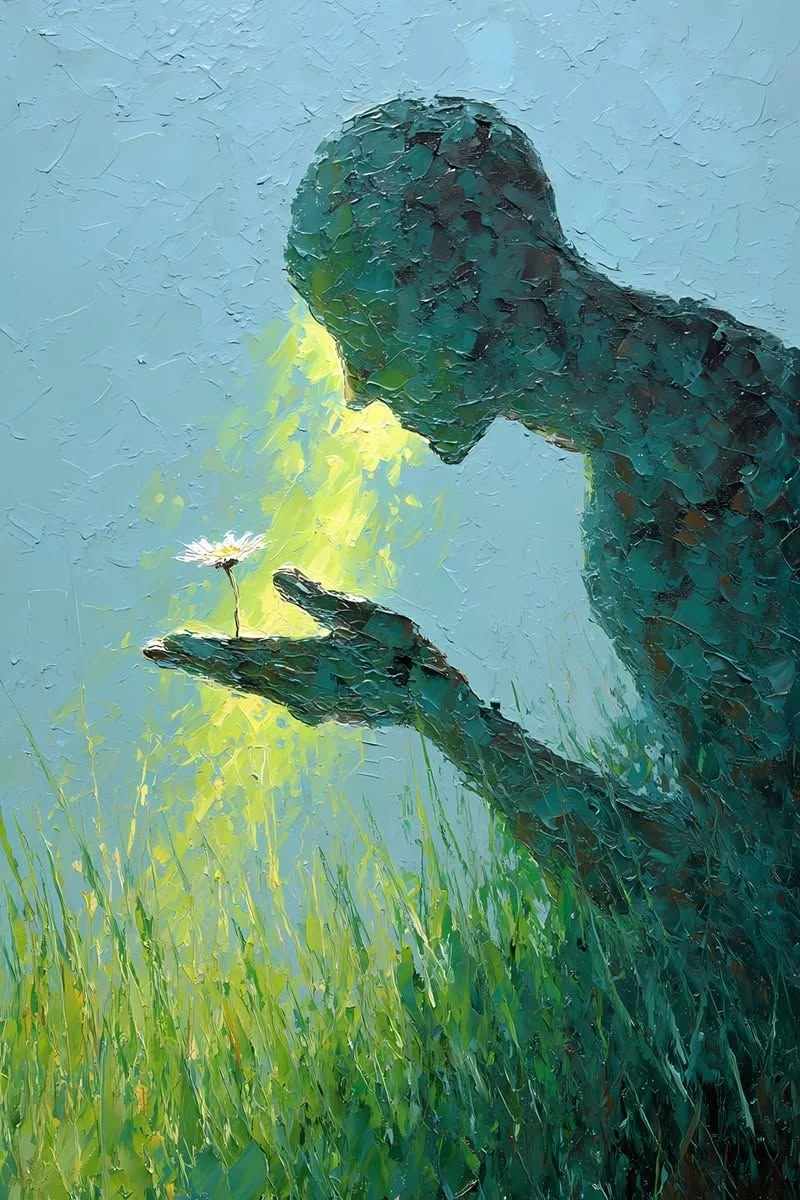
The six figures knelt around the blackened stump of the Grehn Viveleah. The hunter placed a bone token in the mud. The singer gave a single clear note. The river-shaper guided rainwater away from the roots. The healer spread the gathered moss over the soil. The carver broke open the hardened ash so air could enter. The hearth-keeper held their ember close without letting it touch the shoot. And from beneath the ruin, a green sprout rose.
Thus were born the Oli Thrallivi, later called the Thraelli: the Children of Ash and Root. All the Gods saw that these ashen beings had such love and fondness for their womb of bark, stem, and petal.
“Go,” the Lysi commanded. “Tend the living world. Guard the small as you guard the great. Take what you must, but remember what is given. Build where you must, but do not cull the land under your own title, for it belongs to all.”
And the six first ancestors went out from the Grehn Viveleah, bearing with them the lessons of ruin and renewal.
Notable Tribes
Nirikota people
Hunters, Preservers, Stewards of the Plains
Hardened plainsfolk, hunters, trackers, and pragmatic survivalists. The Nirikota are bound to the natural order, revering balance between life taken and life given. Proud, territorial, and bound by ritual tests of strength. Where some tribes glorify battle and scars, the Nirikota glorify endurance. They honor the preservation of land and body as sacred devotion, believing that to endure is the purest act of courage. Neither zealots nor conquerors, they stand as paragons of grounded, ecological heroism.
Cultural Philosophy
To endure is to live honorably.
To take life is a sacred debt.
To preserve land is a holy act.
They believe every creature is born with a measure of strength, and endurance, not violence, is the truest proof of worth. For this reason, Nirikota hunters prefer long pursuits over ambushes, sometimes trailing a single beast for days to test patience and balance.
Rites & Traditions
The Quiet Hunt — a coming-of-age trial requiring a youth to hunt without speaking for three days. It is said the plains themselves speak during this silence.
Balance Offerings — before any large hunt, the tribe leaves braided grasses and carved bone tokens at sacred sites to honor the life they will take.
Storm Tests — warriors willingly stand in windstorms to “endure the voice of Storvild.”
Appearance & Attire
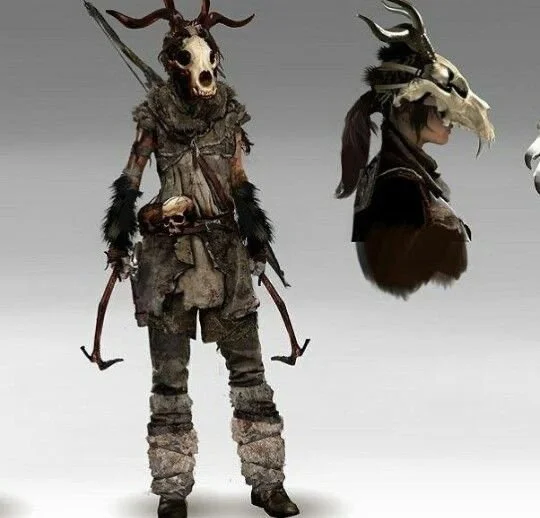
Nirikota clothing uses earth-toned leathers, bone fasteners, and frayed wind-tassels. Their tattoos resemble claw-marks or wind-lines, marking endurance feats and lineage.
Settlements
Their camps are semi-nomadic, built around stone cairns that mark migratory routes. Nirikota rarely build walls; open land is their defense.
Appearance & Attire
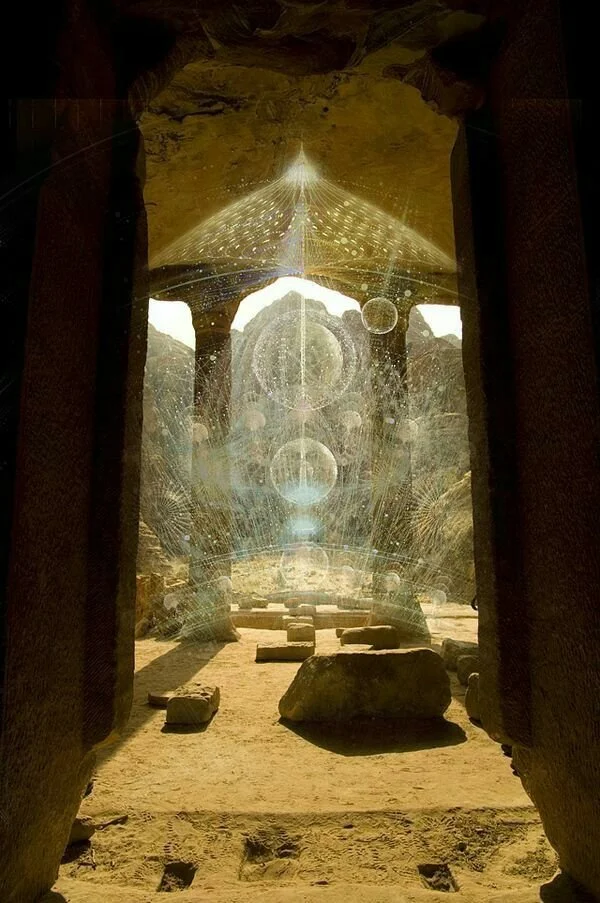
Flowing fabrics dyed in gradients of sunrise golds, dusk purples, and deep blues. Jewelry made of polished reeds, thin stones, and sky-mirror glass. Tattoos resemble sun-paths, concentric circles, or cloud-lines.
Settlements
Open courtyard towns with woven banners, celestial markers, and wind harps that sing naturally when storms pass.
Aruvaen people
Ecliptic-singers, Artists, Philosophers of the Horizon
Dawn and dusk singers, artists, pacifists, and dreamers of harmony. The Aruvaen weave music, art, and agriculture into a seamless spiritual practice; their harmonies “tend” the very paths of the celestial bodies. Yet their devotion to beauty surpasses the tangible: their culture touches the metaphysical, seeking meaning not in power but in peace. They are builders of wonder rather than borders, visionaries whose art keeps the heavens turning.
Cultural Philosophy
Beauty is creation.
Peace is mastery.
Art is a form of cosmic maintenance.
Aruvaen claim the world frays at the edges without beauty. Their dancers, painters, weavers, and astronomer-philosophers believe art is a duty, not leisure. Their pacifism is not weakness but conviction: to harm without cause is to unmake the cosmos.
Rites & Traditions
Celestial Choirs — held twice daily, during the first and last light. Their harmonies imitate the tones of Wa-He.
Tapestry Chronicles — long woven scrolls depicting visions of past and future.
The Veilfast — a ritual fast during eclipses where silence replaces song.

Appearance & Attire
Garments of layered reeds, river-silk, shells, and plant fibers. Their aesthetic is fluid. Clothes shift with movement like flowing water. Tattoos resemble wave lines, spirals, and river forks.
Settlements
Floating structures, stilt-villages, rope bridges, and vine-lattices. The sound of flowing water permeates daily life.
Vanyora people
Riverfolk, Architects of Breath and Flow
Stealthy hearth-builders and ingenious architects who weave fragility into strength. Their craftsmanship recalls the modern mechanical genius, yet their art flows through natural forms: reeds, shells, and water’s rhythm. Quiet and meditative, the Vanyora build with patience and reverence, creating homes that breathe with the tides. Where others build with metal and fire, Vanyora build with water and flora, their dwellings living systems of balance and grace.
Cultural Philosophy
Strength lies in flexibility.
Everything built must breathe.
Water teach everything.
Where the Nirikota teach endurance, the Vanyora teach adaptation. Their architecture blends engineering with botany. Walls absorb humidity; roofs channel rainwater into cisterns; every dwelling is a living thing.
Rites & Traditions
The Breath Ceremony — newborns are introduced to water before sunlight, if possible.
Drift-Boat Pilgrimage — youths build their own boats and follow the river for a season.
River Masks — carved from reeds and shells; worn during rites of passage to “become the river.”
Appearance & Attire
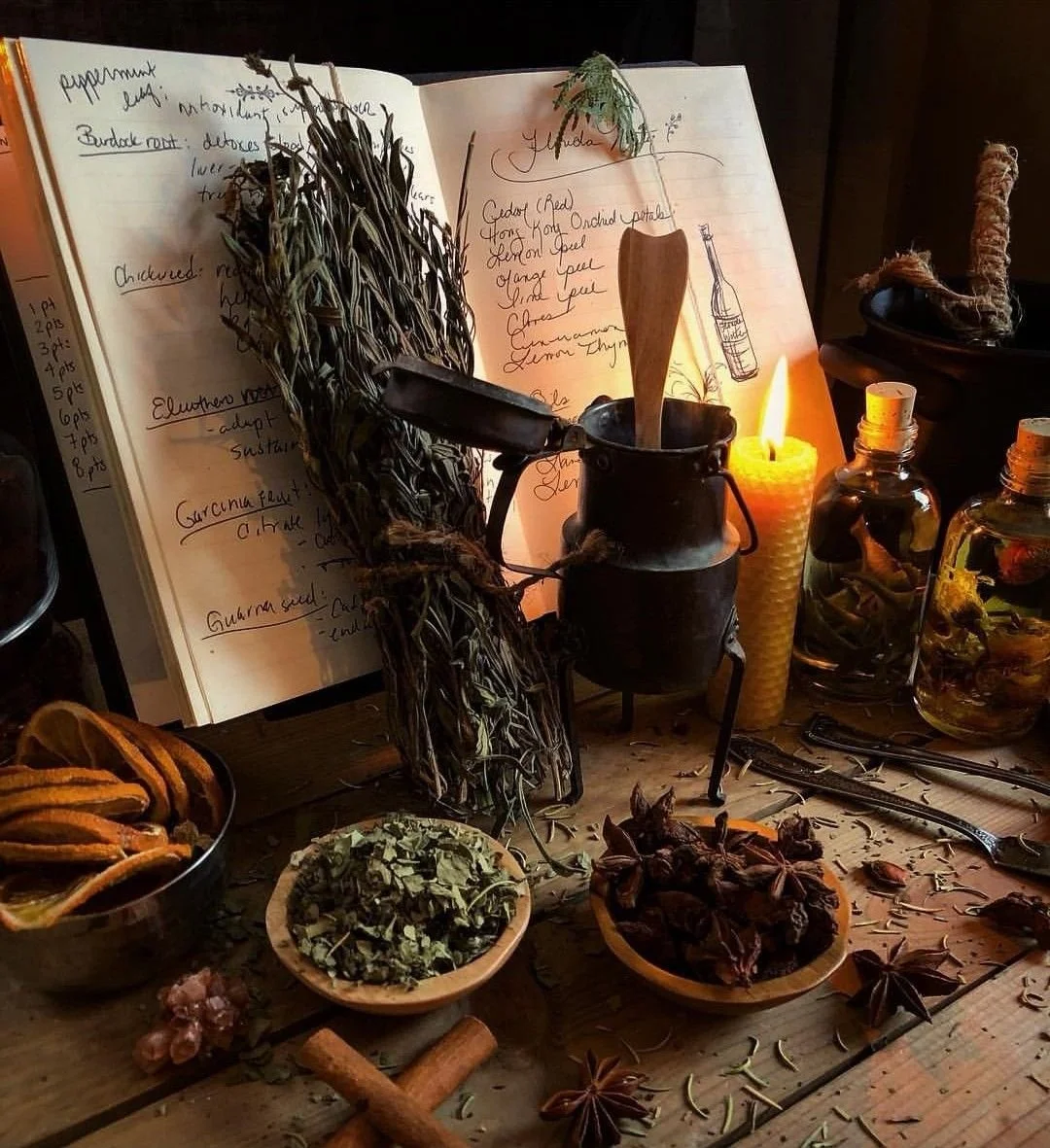
Capes sewn from leaves, dried herbs braided into hair, green or brown face markings. Aromatic scents are part of their identity. Each healer carries a signature blend.
Settlements
Sprawling terraced gardens, greenhouse groves, moss-carved homes. Their settlements are quiet, fragrant, perpetually blooming.
Koheolyn people
Herbalists, Cultivators, Keepers of Healing
Inventors of tinctures and the progenitors of modern medicine. The Koheolyn live by a sacred symbiosis between body and soil, blending the intuitive and the empirical. Early pharmacologists of the Thraelli bridged magic and chemistry long before either was designated. The Koheolyn are the Thraelli’s curators of life itself, gentle experimenters whose gardens rival laboratories.
Cultural Philosophy
The body is soil.
Good soil must be tended.
Illness is imbalance, not punishment.
Their gardens are living libraries: medicinal roots grow beside sorcerous vines, healing mosses beside volatile flowers. Koheolyn healers memorize thousands of plant-names as a rite of passage.
Rites & Traditions
Bloomwatch — predicting seasonal plant cycles with precise sky-reading.
The Rooting — apprentices plant a seed that bonds with them magically; its growth mirrors their progress.
Sap Trials — testing antidotes by facing controlled, ritual poisoning (always supervised).

Appearance & Attire
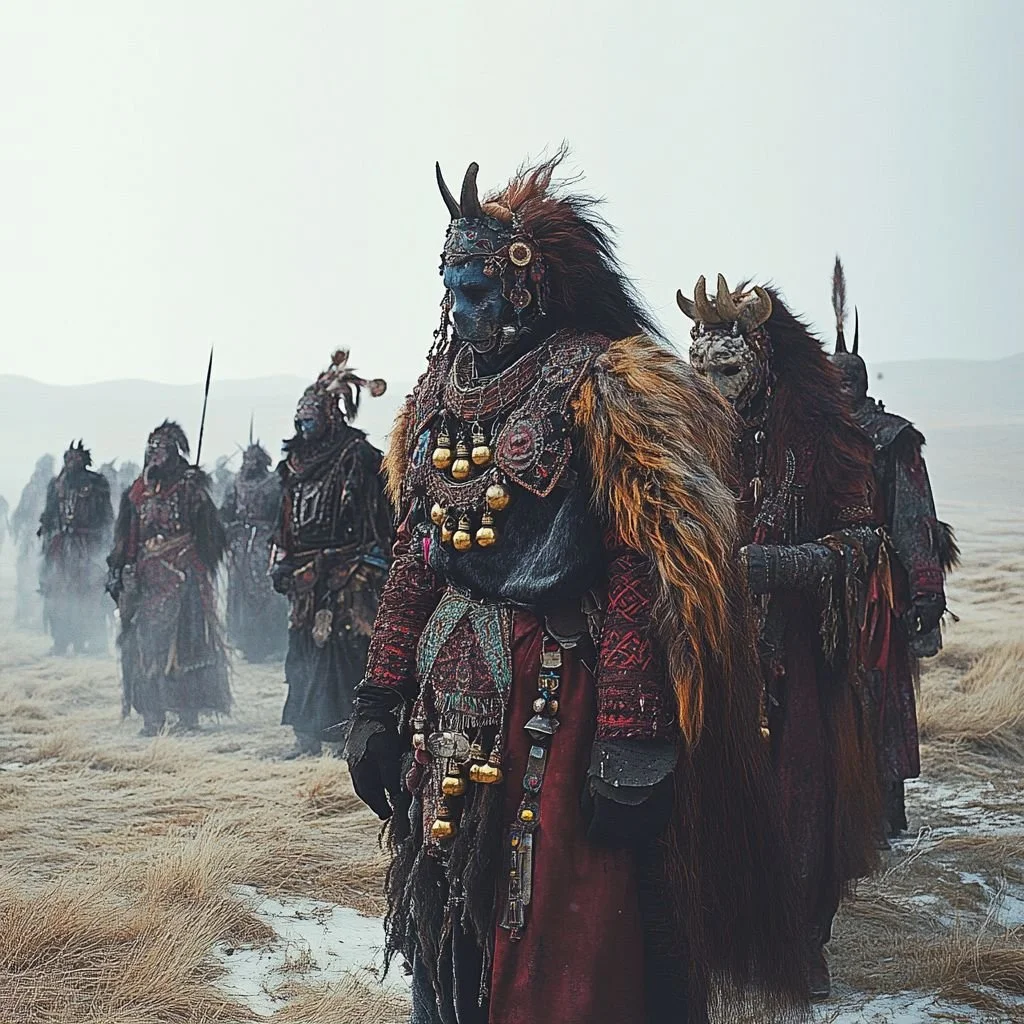
Ash-stained skin, bone jewelry, obsidian shards, hides reinforced with heated resin. Tattoos depict flames, fangs, or impact-lines.
Settlements
Camps ringed with fire pits, stone forges, and bone totems. Noise is constant: singing, shouting, carving, laughing.
Ruun’tahl people
Brawlers, Carvers, and Forgers of Flame
Foragers, carvers, and weapon-smiths whose craft is born of collision. Brute force refined into artistry. The Ruun’tahl’s rowdy camaraderie, use of fire, and grit embody creation through collision: brute force refined by craftsmanship. They favor stone and bone over metal, but still, they are artists when it comes to handling flames. Their ethos is innovation born of necessity: the fire and the sculptor are one.
Cultural Philosophy
Creation requires collision.
The world is shaped by force.
Fire is the purest thing.
To the Ruun’tahl, crafting is combat. Every tool, weapon, and sculpture is shaped through a contest between material and maker. They carve bone, hammer stone, and kindle flame with a ritualistic ferocity.
Rites & Traditions
Fire Pit Duels — non-lethal contests to settle disputes.
Bone-Carving Vigils — crafting sacred tools overnight without break.
The Ember March — carrying flame from an ancestral hearth across miles to start communal fires.
Tykeeri people
Highlanders, Brewers, and Keepers of the Hearth
A hardy people of the highlands. Gatherers, brewers, and warriors carved by wind and frost. Valor and solitude define them, yet so too does their fierce hospitality. Their brewing culture and hospitality, though, add warmth to the austerity. The Tykeeri honor strength, but not cruelty. As austere as stone, but as alive as firelight, they are the contradiction that keeps the Thraelli spirit alive.
Appearance & Attire
Fur mantles, stone-bead necklaces, carved wooden masks, tankards worn at the hip, and hexagonal tattoos resembling frost.
Settlements
Stone lodges half buried into mountainsides, warm with constant hearthfire. Inns serve both as communal centers and safehouses for wanderers.
Cultural Philosophy
Strength is not cruelty.
Hospitality is sacred.
Frost tempers.
They believe warmth is an act of reverence. To share fire is to share life. Their brews (fermented berries, snow grains, frostroot honey) are world-renowned.
Rites & Traditions
Winter Taps — the first opening of the seasonal brew, celebrated with clan feasts.
The Frost Walk — a trek across icy cliffs to test balance and resilience.
Hearth Vows — oaths spoken over firelight, binding families and allies.
A Brief History
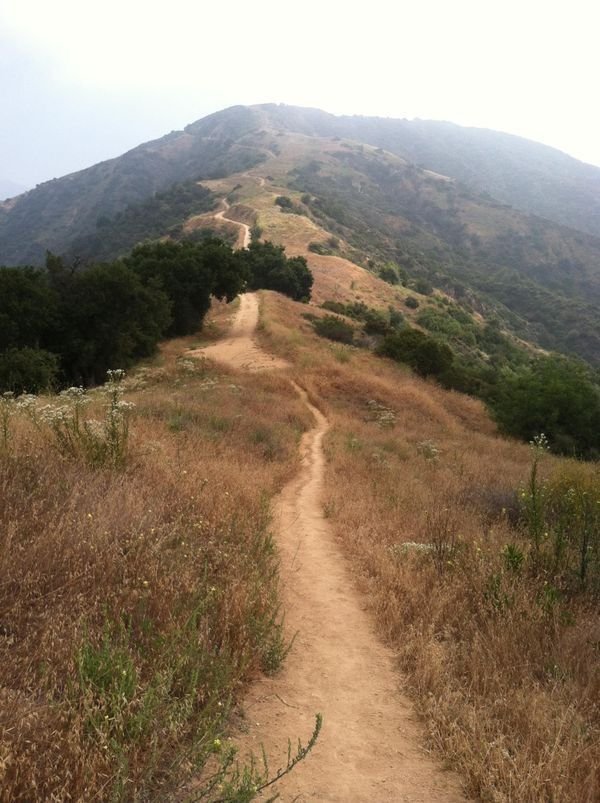
Where the Thraelli mainly live now could be considered that of a remaining core or heart of what once was vast areas of unsettled and untamed land. There are still foot trails throughout the realm that extend thousands of miles where the peoples used to live. In the very early days of men, the Thraelli meandered from territory to territory to help others, explore, etc. Unfortunately, more and more treaties with the Humans took away lands. Some of the people would renounce their identity as Thraelli and become part of whatever nation they happened to be in.
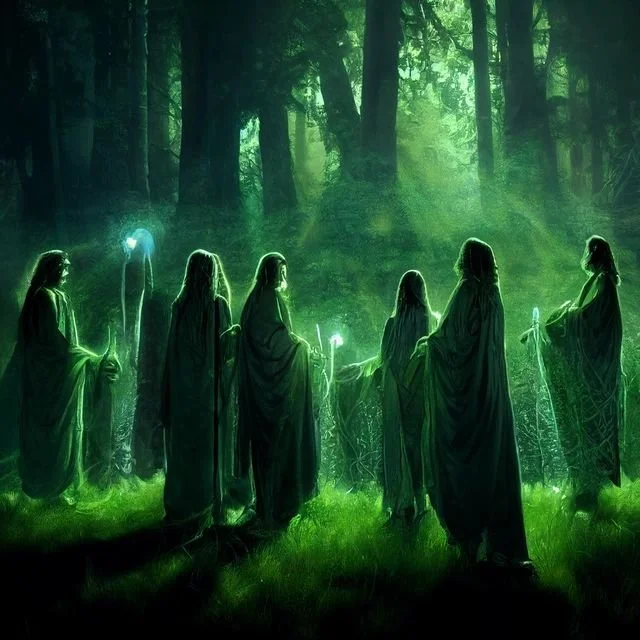
During civil unrest, some humans took refuge with the clans of Thraelli and were taken in and eventually treated like one of their own. They didn’t take slaves, they took people in as part of the family. The Clan Mothers / War Women / Beloved Women would have direct say over whether a person is put to death, set free, or adopted into a clan. If adopted into a clan, they are Thraelli as far as the people are concerned, no matter what the ethnicity is. In shared communities, especially within the slums of Noetica, everyone will strive to pull together and support throughout the community. This natural inclination to help and support most likely caused these people over time to become servant people. Their concept of harmony transcends the world and societies. They are treated as servants, but have never made good slaves, as they are in their own backyard, knowing all the well-established and ancient trade routes. Just because a Thraelli is from the far south doesn’t mean they are unfamiliar with the far north. Which is why they were taken to Nahmea for a while. The Eyjari even called them “graybones.”