
Notable Battles During
The War of Horrors
Battle of Equus Valley
1973 DA | 379 IYC
4th Final Song – 6th Final Song

Following the assassination of High Queen Lilith Fyrstrum and the subsequent declaration of war by Resilia II, IDE forces moved rapidly into the Equus Valley in an attempt to suppress what was initially believed to be a localized uprising. The valley’s open terrain favored conventional engagement, and Imperial commanders expected a swift victory.
RA forces, however, mobilized more quickly than anticipated. Though lacking unified command, they leveraged local support and knowledge of the terrain to form defensive lines along irrigation ridges and farmland boundaries. The battle opened with an IDE advance across the central plain, but early engagements revealed the scale of resistance. RA units, though disorganized, repeatedly regrouped and counterattacked in pockets, preventing a decisive breakthrough.
By the third day, both sides had suffered mounting casualties without meaningful territorial gain. IDE forces ultimately held the field, but the RA withdrew in relatively good order, preserving much of their fighting strength.
The battle served as a signal to neighboring nations and factions that the conflict would not remain contained. In the weeks following, rulers across Patalia began to mobilize forces or reconsider alliances, transforming the conflict from an internal uprising into a broader regional war.
Battle of the Celebration Hills
1973 DA | 379 IYC
2nd Harvestine – 3rd Harvestine

Initially, Thraelli resistance forces relied on terrain familiarity and surprise attacks, using the rolling hills and historic festival grounds to disrupt IDE patrols. Early engagements favored the defenders, with small victories boosting morale among local populations.
However, Novarian command responded with overwhelming force. Reinforcements arrived from nearby garrisons, and coordinated sweeps were conducted to encircle resistance pockets. Fighting became increasingly brutal as civilian spaces were transformed into contested zones. Structures once used for cultural gatherings were repurposed as defensive positions or destroyed outright.
The battle concluded with the displacement of Thraelli populations from the region. Survivors fled into surrounding territories, many becoming refugees or joining resistance movements. The loss of the Celebration Hills marked an early cultural and symbolic defeat, demonstrating the Crown’s willingness to forcibly remove populations deemed hostile.
IDE forces approached Castle Mondbär which stands upon Thundercrest Ridge, the prominent southern bluffs of Mount Nanypsilo. The IDE traveled easily through the foothills expecting a relatively swift siege. However, the Rommelese defenders had fortified not only the castle itself but also the surrounding mountain passes, creating layered defenses.
Initial assaults were repelled with heavy losses. Attempts to cut off supply lines proved ineffective, as defenders utilized hidden routes through the mountains to maintain provisions. Weather conditions further complicated the siege, with sudden storms and freezing temperatures degrading IDE morale and logistics.
The siege resulted in significant casualties on both sides, with approximately 150 IDE soldiers and 80 Rommelese defenders killed. Despite repeated assaults, the IDE failed to capture the castle, and the campaign ultimately stalled.
The failure to capture the castle marked a turning point in highland warfare, demonstrating that the IDE could not rely solely on numerical superiority. Rommelen became a sustained point of resistance for the remainder of the war.

Siege of Castle Mondbär
1975 DA | 381 IYC
15th Second Song – 19th Solstune
Battle of the Murky Marshes
1975 DA | 381 IYC
5th Firestar – 14th Firestar

The Battle of the Murky Marshes saw forces from Novaria clash with those of Hallowood in 1975 DA. IDE forces entered the marshlands in tight formation, attempting to maintain cohesion in difficult terrain. Hallowood fighters, familiar with the shifting ground, launched hit-and-run attacks from concealed positions.
A Hallowood native brigadier general, Coatli Mecapan, known as the “claw in the mist” and “Shadestalker,” used the marshes themselves as a weapon, conducting precise ambushes that fractured IDE formations. Despite suffering fewer casualties, Hallowood was initially unable to prevent Novarian forces from securing key sections of the wetlands.
That changed when Mecapan executed the maneuver that would define the battle. Feigning retreat, he drew the bulk of the IDE deeper into the marsh’s labyrinthine interior, into ground that could not be mapped, held, or escaped. Formations collapsed as soldiers sank into hidden bogs, lost themselves in endless reeds, or were taken by the marsh’s predators. Entire units vanished without trace, and those who did not disappear were forced into a disordered retreat.
Supply lines quickly became compromised, with equipment lost to the terrain itself. Units became separated, and communication broke down. With these combined challenges, the Hallowood fighters gradually forced the IDE into retreat through sustained pressure and numerical advantage.
The battle resulted in heavy IDE losses, estimated at around 500 soldiers, compared to approximately 100 Hallowood casualties. Though a technical victory, the battle exposed the high cost of expansion into hostile terrain, while highlighting the growing cost of territorial expansion for Novaria and the increasing effectiveness of localized resistance. It also solidified Hallowood’s reputation for effective guerrilla warfare.
Battle of Trok’nen Pass
1975 DA | 381 IYC
21st Final Song – 28th Final Song
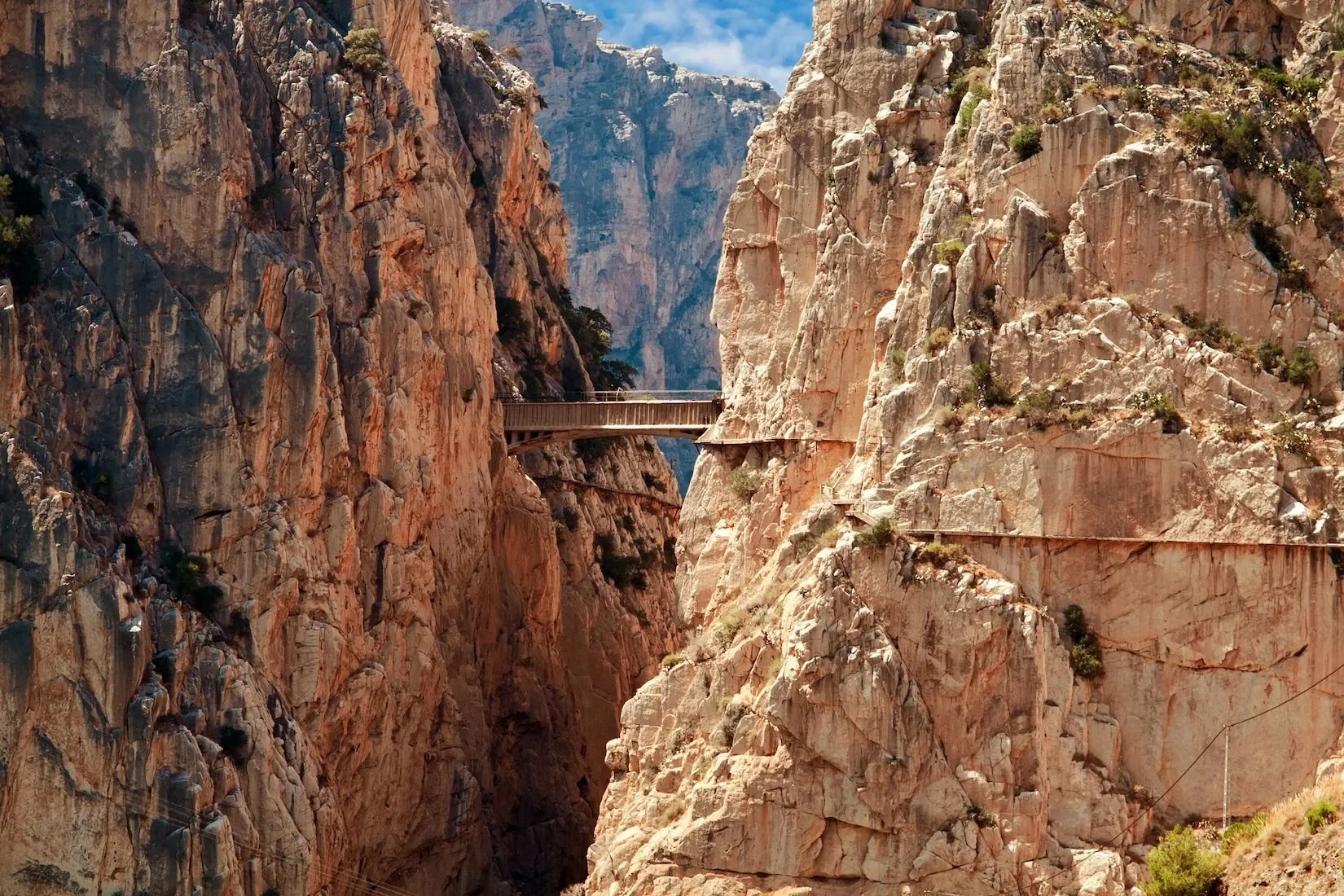
The Battle of Trok’nen Pass marked the first major incursion of the war into the Lands of Dolornjaa. IDE forces attempted a coordinated push through the pass, aiming to establish a foothold in Dolornjaa. However, Sykari fighters used elevated positions and narrow chokepoints to devastating effect.
The Sykari were supported by elements of the Provisional Ryggrad’n Alliance (ProRA), which introduced coordinated sabotage operations behind IDE lines, disrupting supply chains and communication, marking one of the earliest collaborations between regional forces and splinter factions. Repeated attempts to break through the pass failed, and the IDE was forced to withdraw.
The battle ultimately prevented IDE expansion and brought Dolornjaa fully into the conflict. It also demonstrated the increasing complexity of alliances, as local resistance movements began coordinating with broader insurgent networks.
Siege of the Golden Delta
1975 DA | 381 IYC
15th Harvestine – 24th Harvestine

The Siege of the Golden Delta occurred in 1975 DA when the Kaldymish navy launched a surprise offensive, initially overwhelming coastal defenses against the capital region of Hearthmiel, directly to the capitol at Castle Haerfast. The delta, a vital economic and logistical hub, became the site of intense naval and coastal fighting.
Kaldymish forces initially achieved success through surprise and superior naval maneuvering. However, Hearthmielian forces adapted quickly, mounting a determined resistance, reinforcing defensive positions along key waterways, and preventing a full occupation. Naval engagements became chaotic, with shifting tides and narrow channels limiting large-scale maneuvers.
The siege resulted in approximately 400 Hearthmielian deaths and 120 Kaldymish casualties. While tactically inconclusive, the battle demonstrated the war’s expansion into maritime domains and the vulnerability of coastal infrastructure.
Battle of Verdant Bay
1978 DA | 384 IYC
12th Final Song – 13th Final Song
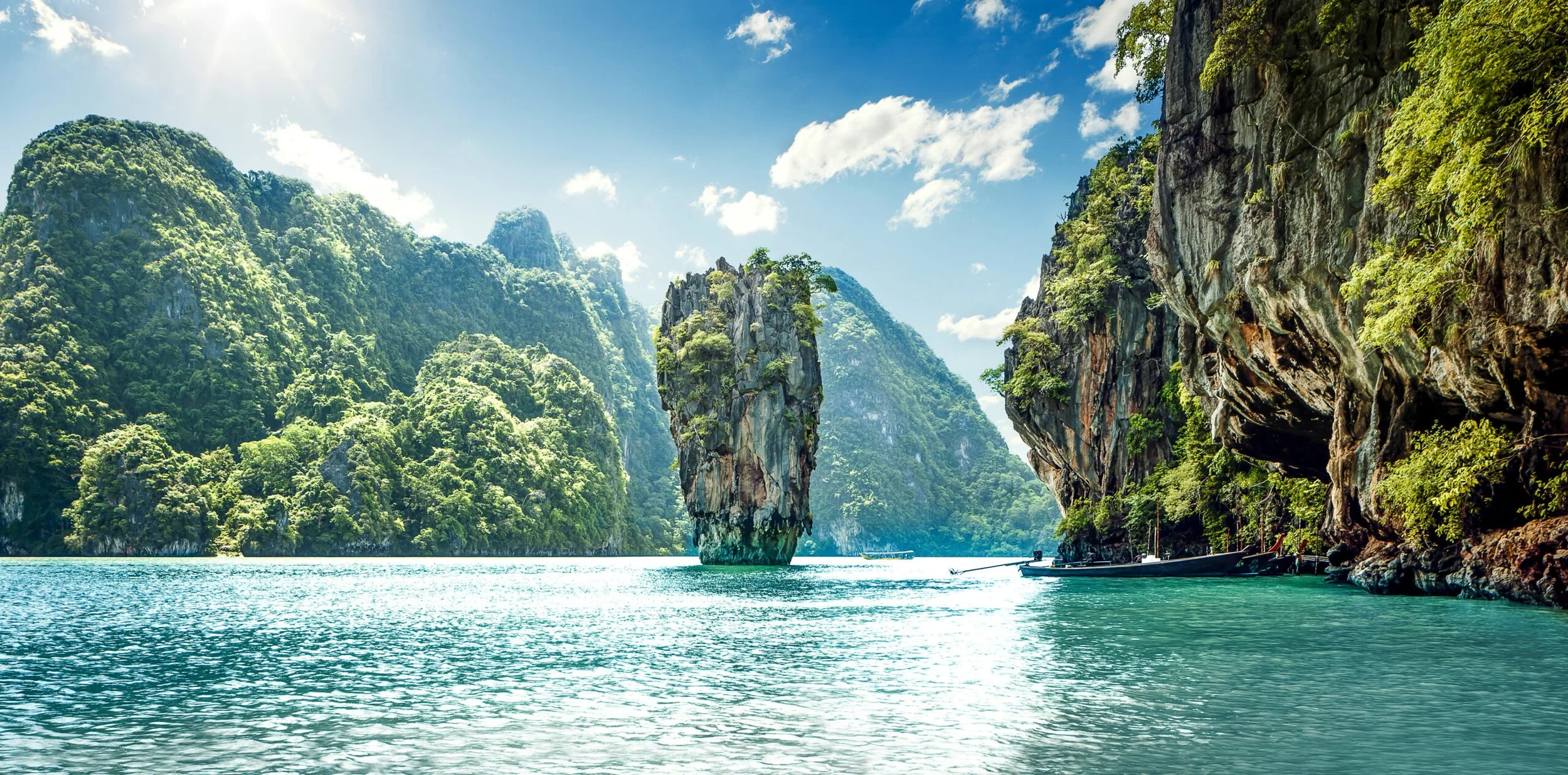
Novarian forces entered Verdant Bay expecting to dominate through superior fleet size. However, Sykari vessels, smaller and more maneuverable, exploited the waters to isolate and overwhelm larger ships. The battle took place along the fertile coastal waters of Verdant Bay, a region critical for trade and supply movement between western and eastern territories.
Following earlier land incursions into Dolornjaa, Novarian command sought to establish naval dominance in the region to support further expansion. A fleet was dispatched to secure the bay and disrupt Sykari supply routes. However, the Sykari, long adapted to both coastal and open-water warfare, anticipated the maneuver and mobilized a defensive response.
The engagement was marked by aggressive Sykari tactics, including fast-moving vessels and coordinated strikes against larger Novarian ships. The shallow and shifting waters of the bay further disadvantaged the Novarian fleet, limiting maneuverability and cohesion.
After two days of sustained fighting, the Novarian fleet was forced to withdraw. Casualties were significant, with approximately 1,300 dead across both sides. The battle marked a decisive Sykari defensive victory and halted further Novarian naval expansion into Dolornjaa for several years.
Battle of the White Edge
1978 DA | 384 IYC
18th Mystence – 22nd Mystence

This conflict in the war was one of the first engagements to feature large-scale magical intervention. Mages from Hyparimor aligned with Kaldymish forces against the IDE. The battle began as a conventional engagement before Hyparimor mages intervened.
During the battle, massive ice barricades were conjured to fortify the region, effectively sealing off portions of Kaldymens from invasion. The sudden environmental shift caused confusion among Imperial forces, leading to disorganized retreats. These natural defenses remain in place until this day, altering both military strategy and regional geography.
The battle was also notable for the death of King Taarst, newly wed to High Queen Resilia II, an event that had significant political ramifications within Novaria.
Battle of River Sanguine
1985 DA | 391 IYC
8th Graystar – 10th Graystar
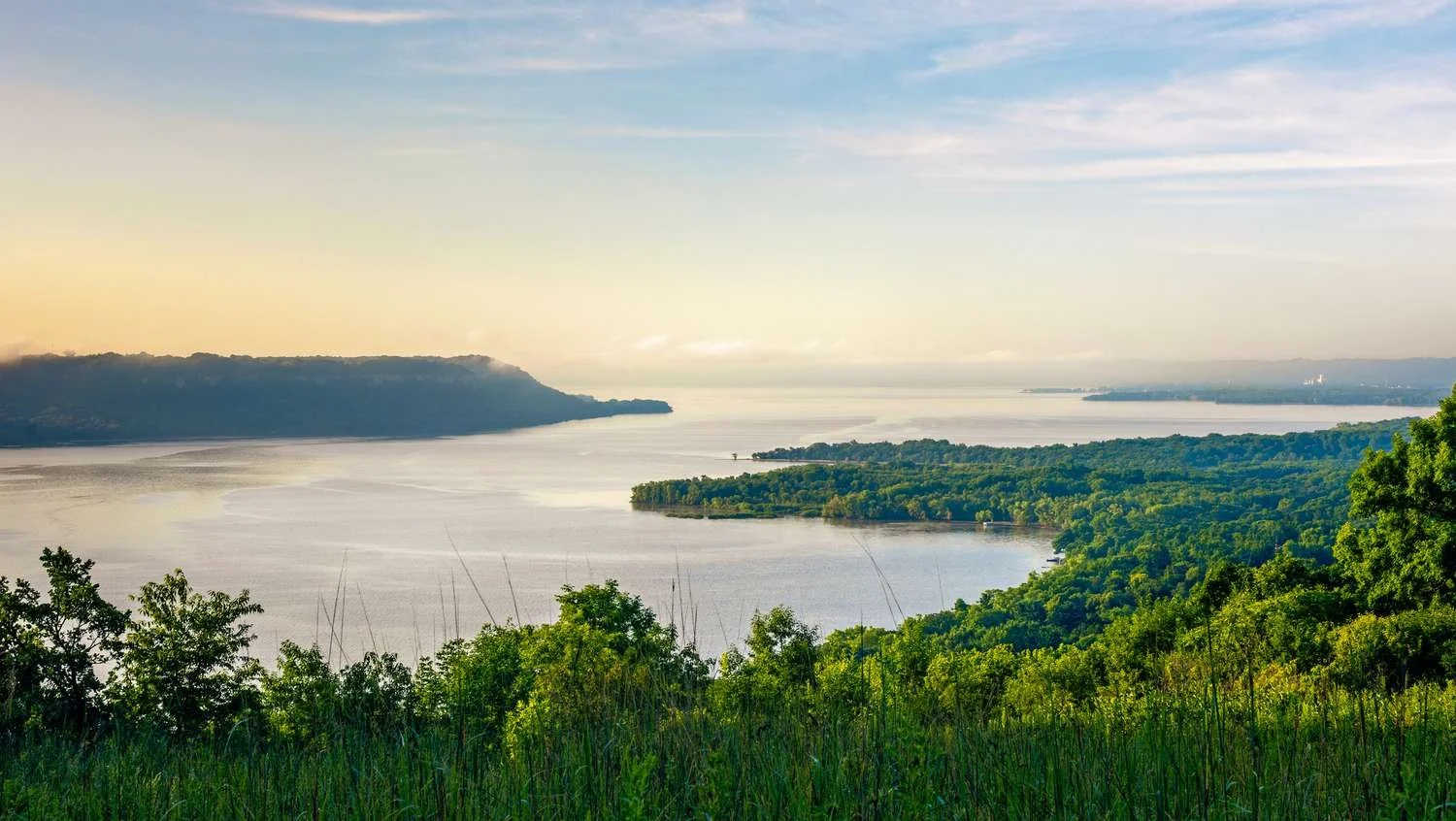
Hearthmielian militia initially held the crossing through defensive positioning and knowledge of the terrain. However, the IDE executed a multi-pronged assault, exploiting weak points in the militia’s formation. The engagement centered on a major river crossing, which served as a vital logistical and strategic point within the region.
Hearthmielian forces, composed largely of local militias and irregular fighters, sought to prevent IDE advancement by holding the crossing. Initial resistance proved effective, with defenders utilizing the river’s natural barriers to slow the Imperial advance.
However, the IDE committed additional forces and executed a coordinated assault, combining frontal attacks with flanking maneuvers along less-defended sections of the riverbank. After several days of intense fighting, the militia lines collapsed, leading to widespread casualties, and retreating forces were pursued aggressively.
The crossing ultimately fell under IDE control, allowing for deeper incursions into Hearthmiel territory. The battle represented a significant strategic victory for the Crown, though it came at the cost of heavy casualties and further alienated the local population. Sanguiton was razed to the ground by the IDE when they no longer had use for its geographical position as a message to the RA, ProRA, and all others who would stand against the might of the Crown.
Magier Island Invasion
1986 DA | 392 IYC
33rd Coldstar – 36th Coldstar
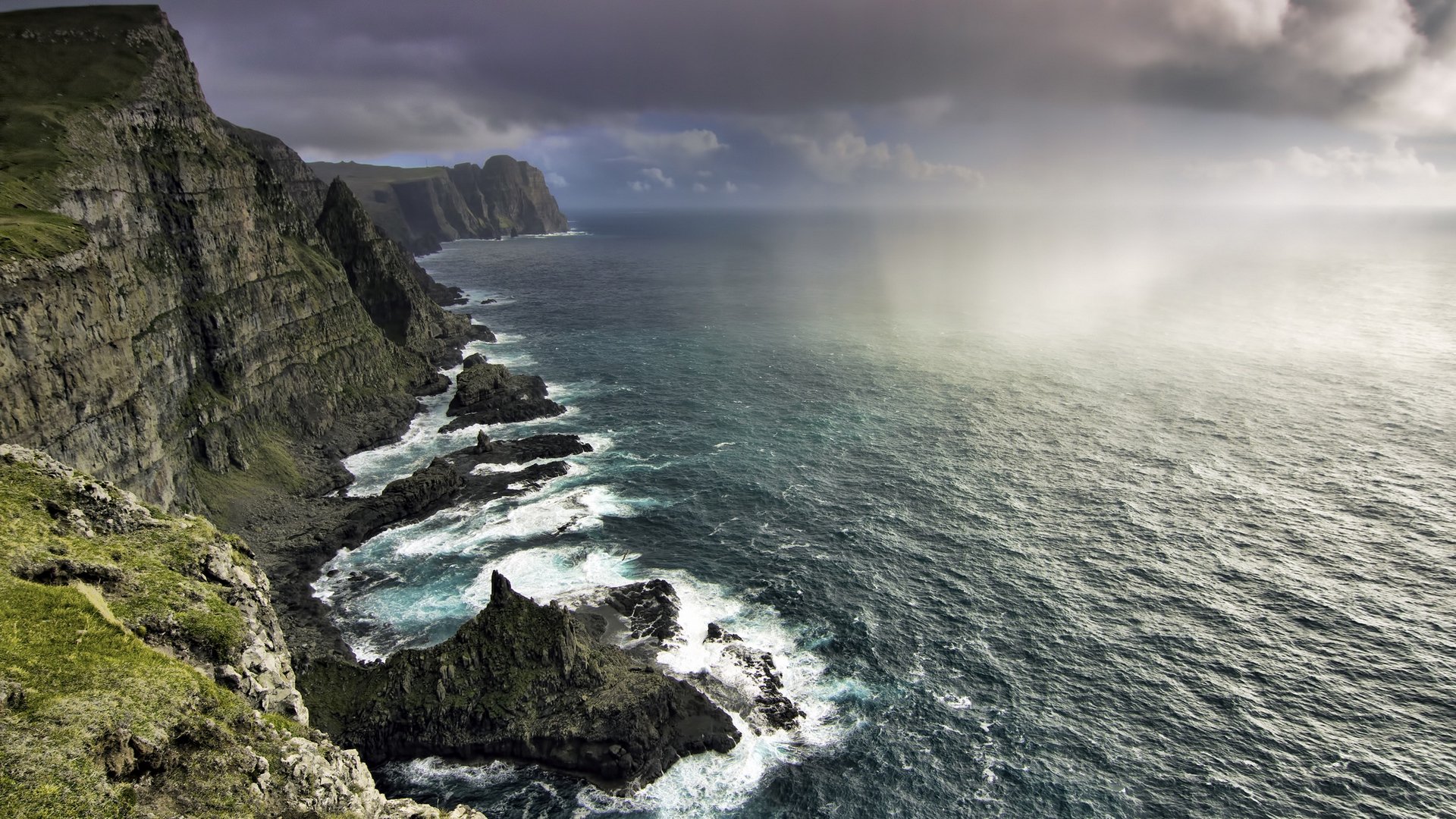
The Magier Island Invasion of 1986 DA was a campaign launched by loyalist forces from Rommelen seeking to reclaim control of the strategically positioned Magier Island from ProRA and RA-aligned forces.
Magier Island had become a key stronghold for insurgent groups, serving as both a staging ground for operations and a refuge for displaced fighters. Recognizing its importance, Rommelese loyalists organized a multi-phase assault aimed at retaking the island and disrupting insurgent coordination.
The invasion began with amphibious landings along the island’s southern coast, followed by attempts to secure inland positions. However, ProRA and RA forces, already entrenched and familiar with the terrain, mounted a coordinated defense.
Fighting was intense and prolonged, with neither side able to secure a decisive breakthrough. Ultimately, loyalist forces were unable to dislodge the defenders and withdrew after several days of sustained combat.
The failure to retake Magier Island ensured its continued use as a base of operations for insurgent factions and underscored the difficulty of reclaiming fortified positions once lost.
Battle of Sun and Shadow
1990 DA | 396 IYC
21st Solstune – 23rd Solstune
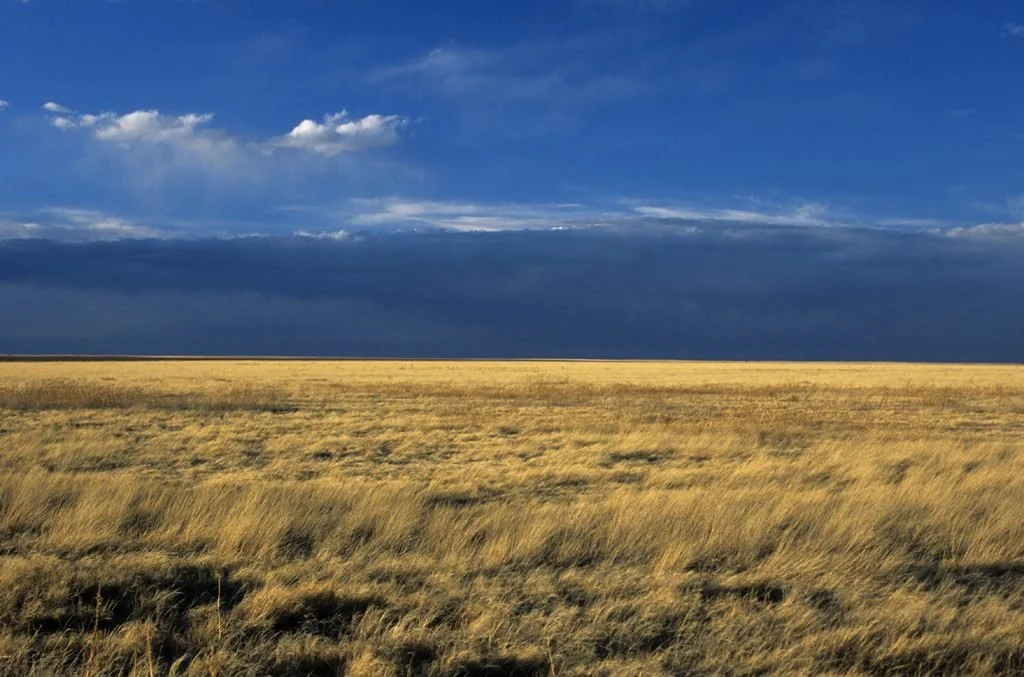
The Battle of Sun and Shadow, fought in 1990 DA on the Hundred-Year Grasslands of Hearthmiel, was a significant engagement between the Provisional Ryggrad’n Alliance (ProRA) and the Abyss Cult.
The battle emerged from competing efforts to assert influence over the grasslands, a region valued for both its symbolic and logistical importance. ProRA forces sought to maintain control of the area as a base for operations, while the Abyss Cult pursued objectives that appeared less territorial and more existential in nature.
The engagement was marked by unpredictable and chaotic conditions, with ProRA units struggling to adapt to the unconventional tactics employed by the Cult. Reports from survivors describe disorienting battlefield phenomena and breakdowns in communication.
Although neither side achieved a clear tactical victory, the battle weakened ProRA’s hold over the region. In the aftermath, Imperial forces moved into Hearthmiel with reduced resistance, reestablishing control over key territories, including Equus Valley.
The battle is often interpreted as a turning point in the shifting balance of power during the later stages of the war.
Battle of the Fractured Host
1992 DA | 398 IYC
30th Coldstar – 31st Coldstar

The Battle of the Fractured Host in 1992 DA was less a single engagement than a series of simultaneous skirmishes across Hearthmiel over a 24-hour period.
IDE forces launched coordinated operations against Abyss Cult positions, but the fractured nature of both command structures and battlefield conditions prevented effective coordination. Engagements broke out across multiple locations, often without communication between units.
The campaign failed to reclaim significant territory and resulted in a strategic shift away from direct confrontation with the Abyss. Instead, IDE attention was redirected toward the RA and ProRA.
The battle is often cited by historians as emblematic of the war’s later stages: decentralized, chaotic, and strategically inconclusive.
Siege of Solsthiel
1994 DA | 400 IYC
7th Second Song – 9th Second Song
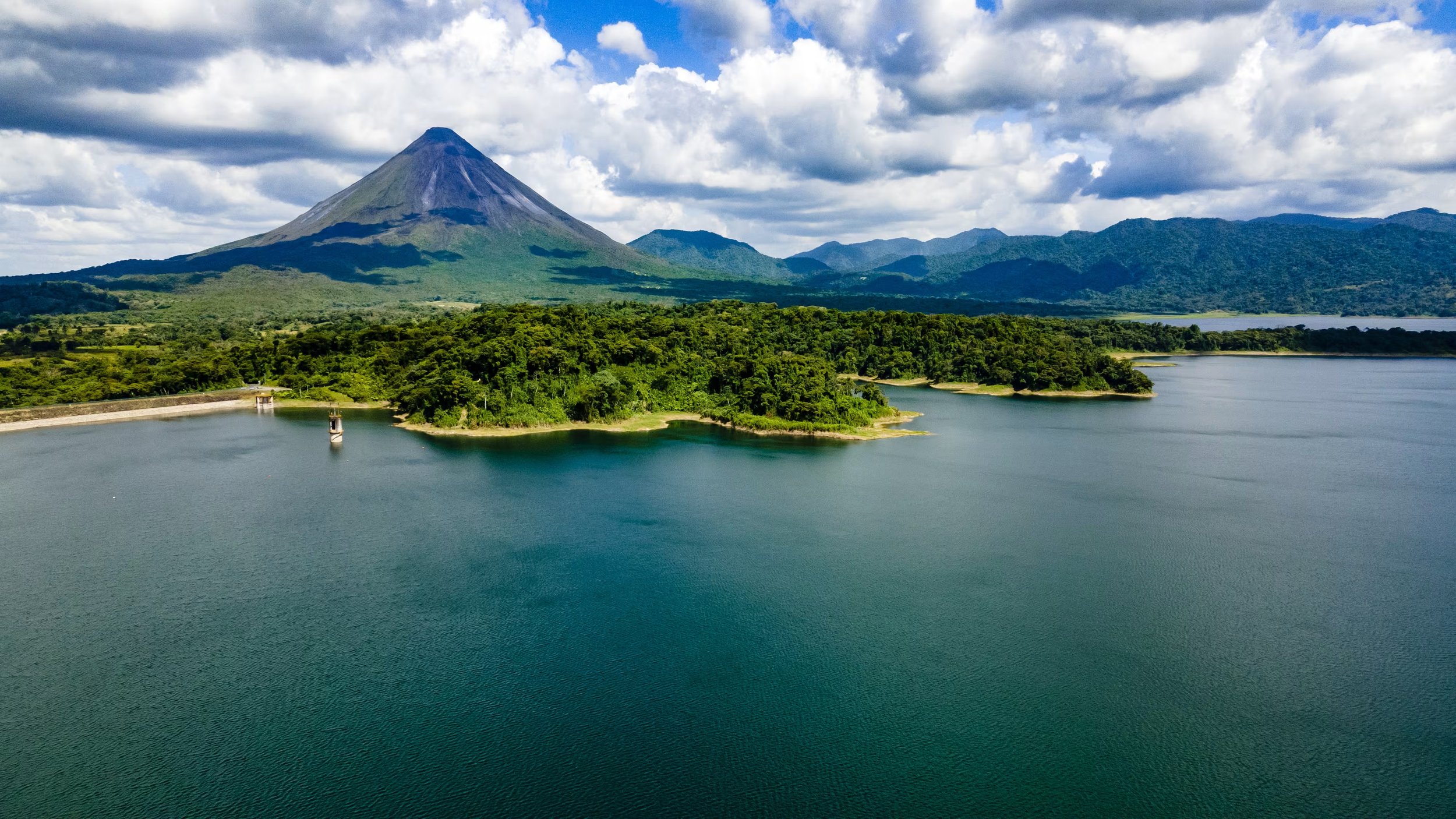
The Siege of Solsthiel in 1994 DA was a major naval campaign involving a coalition of IDE, Nahmean, and Kaldymish forces attempting to seize control of the Solsthiel Islands.
The islands had become a critical maritime stronghold, controlling access to key sea routes and serving as a base for insurgent and independent naval operations. Recognizing their strategic importance, the coalition assembled a large fleet, including the famed Leviathan Armada, to carry out a decisive assault.
Initial operations focused on establishing naval dominance and isolating the islands. However, defenders mounted a coordinated and resilient resistance, exploiting both their knowledge of the surrounding waters and the logistical overextension of the attacking forces.
The campaign culminated in the destruction of the Leviathan Armada, a catastrophic loss that forced the coalition to abandon the siege. Remaining fleets retreated, and control of the Solsthiel Islands remained outside Imperial hands.
The failure of the siege marked one of the most significant naval defeats of the war and demonstrated the limits of large-scale coalition operations in contested maritime environments.
Siege of Castle Dauntless
1999 DA | 405 IYC
15th Graystar – 16th Graystar
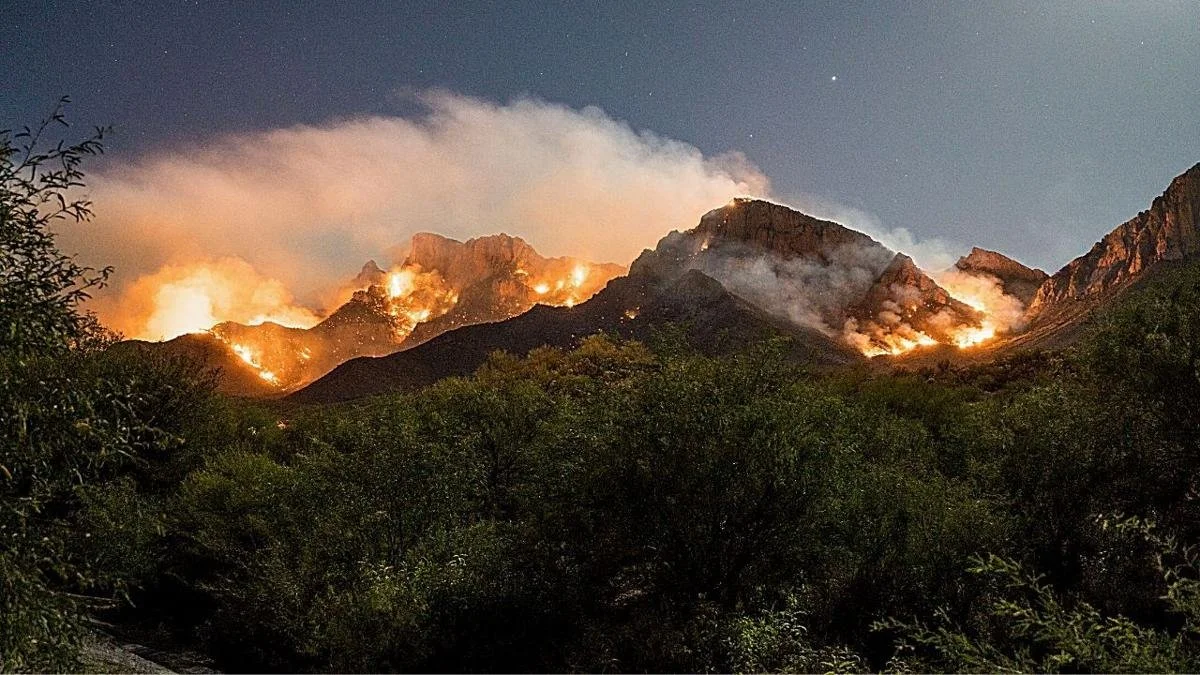
The Siege of Castle Dauntless in 1999 DA marked a turning point in the involvement of the Lion Riders. The Abyss Cult launched an assault on the stronghold, seeking to destabilize one of the last neutral powers.
Despite the intensity of the attack, the defenders successfully repelled the assault. The failure of the Abyss to capture the castle emboldened the Lion Riders, who formally entered the war shortly thereafter.
Their entry introduced a highly disciplined and symbolically powerful force into the conflict, influencing subsequent campaigns.
Occupation of the Koltai Raj
1999 DA | 405 IYC
16th Graystar – 18th Graystar

The Dolornjaan Riesyk Tribe invades the city with a plan to supplant the current Mizojj, Osei J'aoldo, who had become a despot.
Riesyk warriors used peaceful tactics, occupying the city with slow and steady force to ensure minimal bloodshed, as they had no quarrel with anyone else in the city, and only intended to take out Mizojj Osei. Eventually, the guards set down their weapons, the palace was overtaken, and Mizojj Osei was beheaded by Brakk Rrohar in front of the masses. Osei’s corpse was paraded around the city by his younger brother, Soraak Rrohar, who was later chastised by Brakk and council against such a brazen, unsanctioned act.
Two days later, Brakk Rrohar was ushered in as the new Mizojj and ruler over the Five Tribes of Dolornjaa.
Battle of the Torpor Wastes
2002 DA | 408 IYC
1st Final Song – 16th Graystar

The Battle of the Torpor Wastes in 2002 DA was the largest and final major engagement of the War of Horrors. It saw the Abyss Cult face a coalition of forces including the RA, IDE, Lion Riders, Thraelli, and numerous allied factions.
Fought across the desolate expanse of the Torpor Wastes, the battle was marked by extreme conditions, large-scale coordination between previously opposed factions, and the culmination of Abyssal influence.
The defeat of Lord Aldrivar above the Torpor Wastes on the peak of Lys Toarnav effectively ended the Abyss Cult’s central leadership. While not immediately ending all hostilities, the battle broke the momentum of the war and paved the way for the New Dawn Agreement.