The War of Horrors
The War of Horrors was an international conflict in the Realm of Patalia lasting approximately three decades from the 1970s DA (Dawning Age) to the early 2000s DA (370s–400s IYC). It is widely regarded as one of the most devastating conflicts in recorded history. The war is also known as The Conflict, The Dark Age, and simply “the war” in contemporary and historical accounts.
The conflict formally concluded with the Battle of the Torpor Wastes in 2002 DA and the subsequent New Dawn Agreement in 2003 DA, though its social, political, and cultural consequences persisted long afterward.
Contents
1. Background
1.1 The Build-up
1.2 Theatre of War
2.1 Ryggrad’n Alliance (RA)
2.2 Imperial Defense Enforcement (IDE)
2.3 Provisional Ryggrad’n Alliance (ProRA)
2.4 Abyss Cult
3.1 Categories
3.2 Decades Through the War
4. Casualties
7.1 Aftermath
7.2 Fyrstrum Legacy
Background
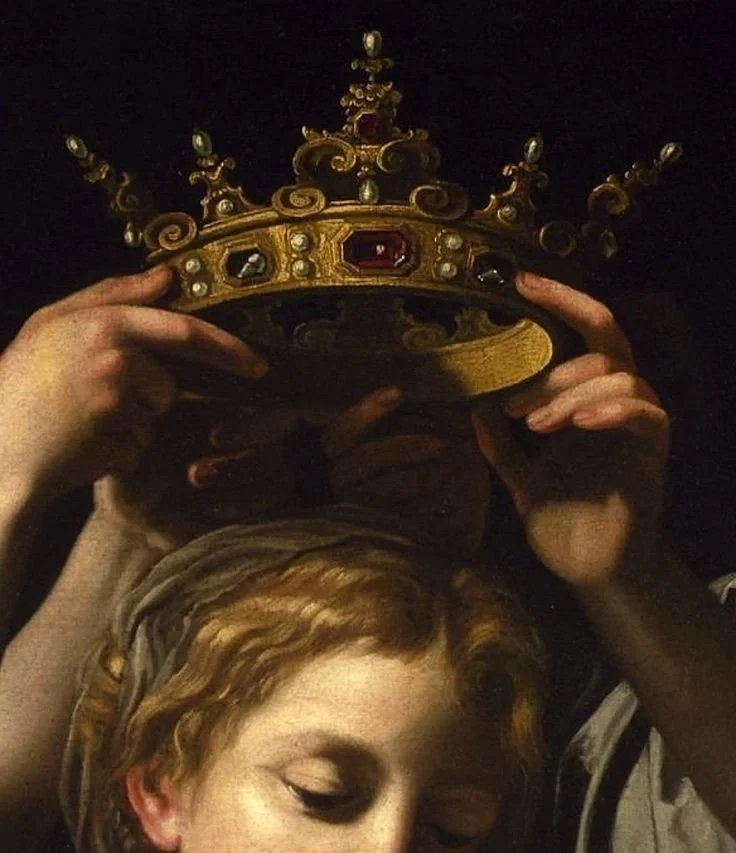
The origins of the War of Horrors lie in a period of increasing religious and political tension within the Queendom of Novaria. Approximately a decade prior to the outbreak of open conflict, High Queen Lilith Fyrstrum codified Aelysite religious doctrine into state law, intensifying divisions between Aelysite and non-Aelysite populations, particularly the practicing Vascelian faith, to which Lilith had formerly adhered.
The Build-Up
In the spring of 1973 DA, a series of sectarian killings carried out by imperial forces, primarily under the authority of the Imperial Defense Enforcement (IDE), significantly escalated tensions. Shortly thereafter, Queen Lilith was assassinated under circumstances that remain contested among historians.
She was succeeded by her daughter, Resilia II, who ascended the throne at the age of twelve. Acting swiftly to consolidate power – whether as an act of justice or retaliation, as debated by scholars – Resilia II declared war against all groups deemed enemies of the Crown, including non-Aelysite populations and political dissidents. What began as an internal dynastic and religious crisis rapidly expanded into a widespread, multi-faction conflict.
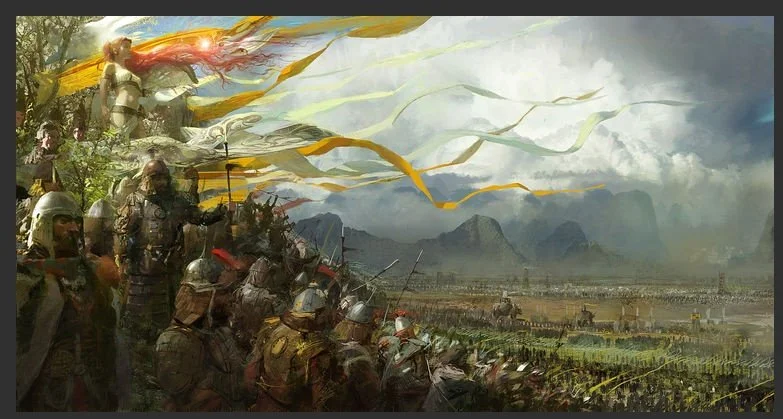
The main participants in the War of Horrors involved four principal factions, alongside numerous minor groups that emerged and dissolved throughout the conflict. They are the Ryggrad’n Alliance (RA), the Imperial Defense Enforcement (IDE), the Provisional Ryggrad’n Alliance (ProRA), and the Abyss Cult.
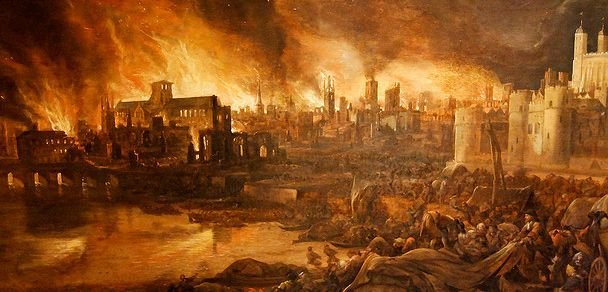
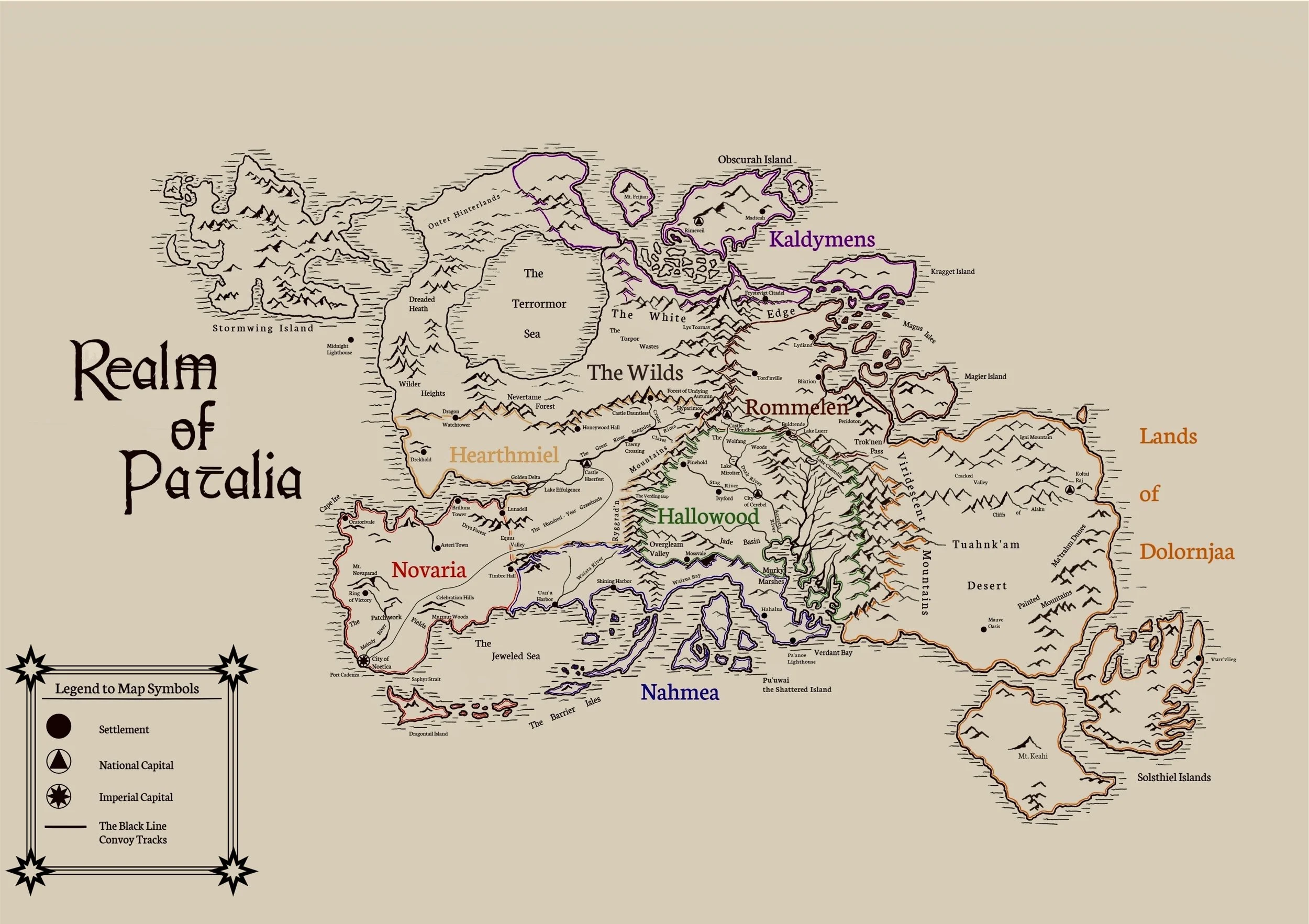
Although the conflict was concentrated primarily in the western regions of Patalia, particularly in Novaria and Hearthmiel, violence frequently spread to peripheral areas such as Kaldymens in the north, Dolornjaa in the east, and various island territories.
Theatre of War
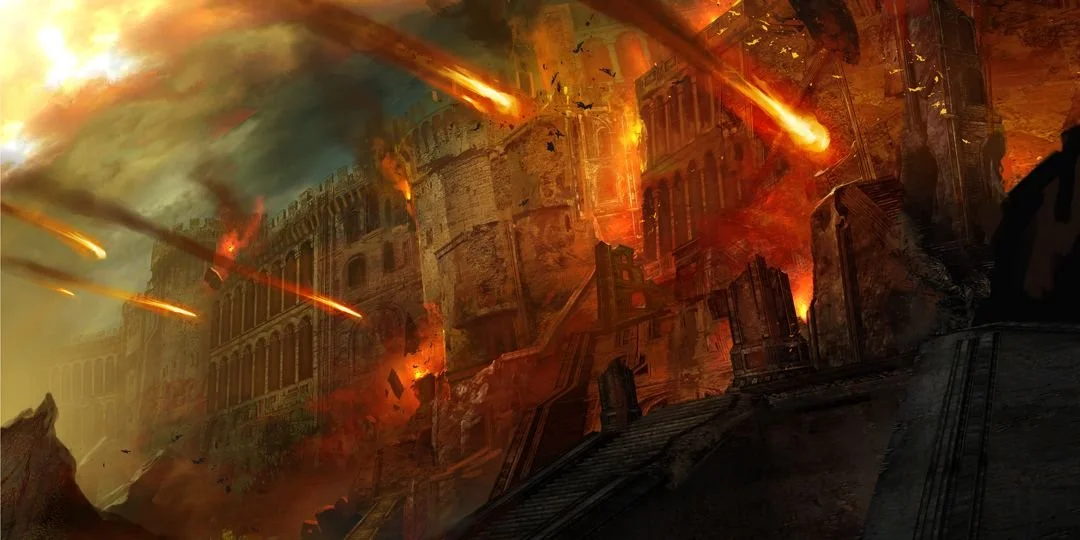
The war evolved from conventional engagements between organized forces into a fragmented and asymmetrical conflict characterized by guerrilla warfare, sectarian violence, and localized insurgencies. Over time, clear frontlines dissolved, and control over territory became fluid and often symbolic. The emergence of ProRA and the Abyss Cult further destabilized the conflict, introducing tactics and objectives that undermined traditional military strategies. By the mid-war period, the conflict had devolved into a persistent state of low-intensity violence punctuated by sudden escalations.
The final phase of the war culminated in the Battle of the Torpor Wastes, during which the Abyss Cult’s leadership, including Lord Aldrivar, was defeated. While this marked a decisive moment, the war’s end was ultimately driven by widespread exhaustion, resource depletion, and the inability of any faction to maintain sustained dominance.

Major Factions
The War of Horrors was notable for its transition from conventional warfare to decentralized and fragmenting into overlapping, asymmetrical engagements. While early phases of the conflict saw organized campaigns between the Imperial Defense Enforcement (IDE) and the Ryggrad’n Alliance (RA), the emergence of the Provisional Ryggrad’n Alliance (ProRA) and the Abyss Cult transformed the war into a decentralized and unpredictable conflict.
These major factions were often at one another’s throats, often seeking out conflict. Some factions were created due to backlash, while others were created from backlash to the backlash, and so on.
Ryggrad’n Alliance (RA)
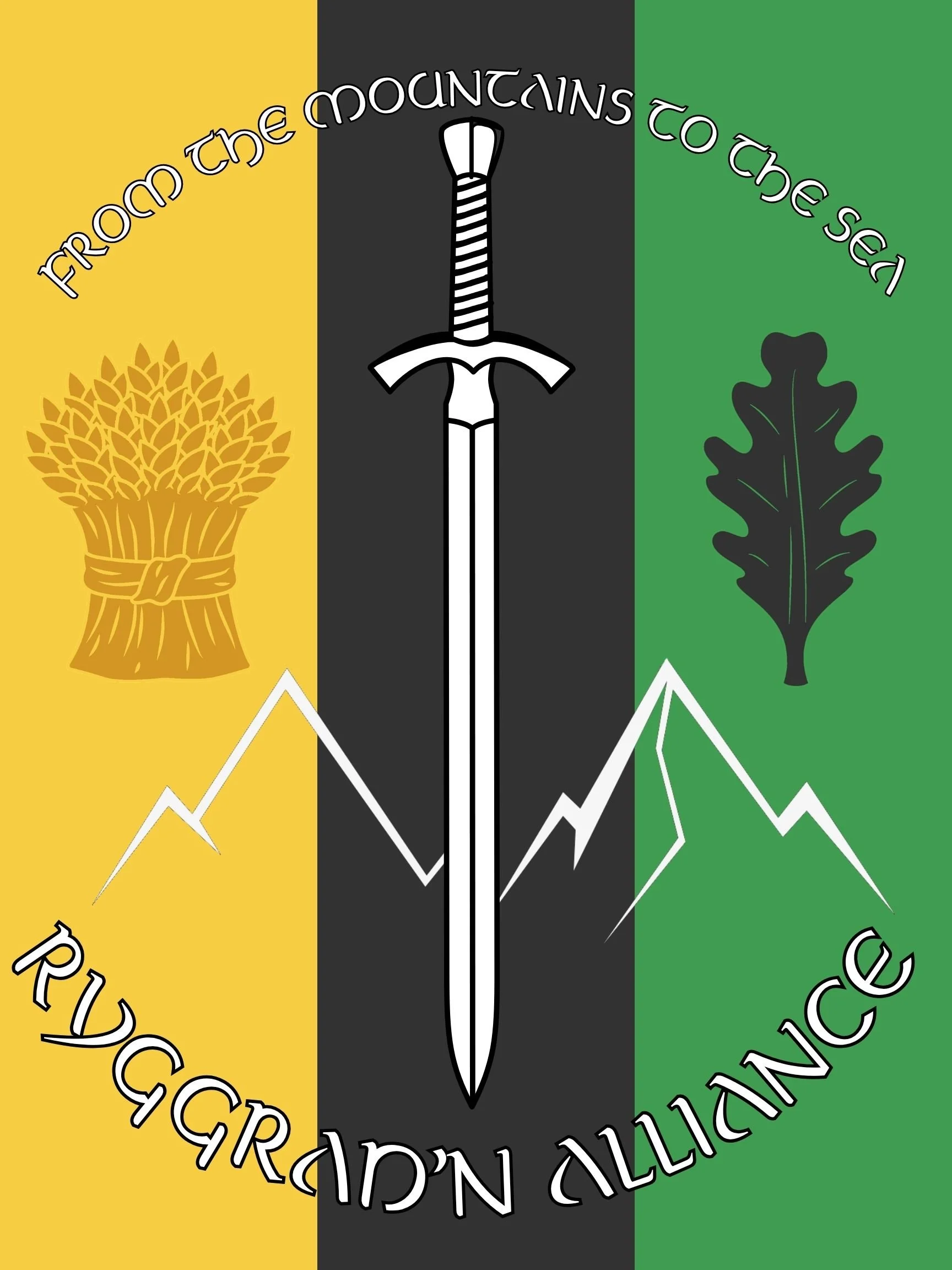
The Ryggrad’n Alliance originated as a republican paramilitary movement opposing imperial rule. It maintained relatively centralized leadership and sought political legitimacy, at times operating a quasi-political wing with backing of rulers from Hearthmiel, Rommelen, and Hallowood, which neighbored the Queendom of Novaria.
The RA operated as a coordinated paramilitary force seeking legitimacy. Over time, they adapted by employing guerrilla tactics and strategic withdrawals, though internal splintering weakened its cohesion. This splintering and inability to maintain unified control contributed to the rise of the ProRA. The RA’s inability to maintain unified control contributed to the rise of the ProRA.
Imperial Defense Enforcement (IDE)
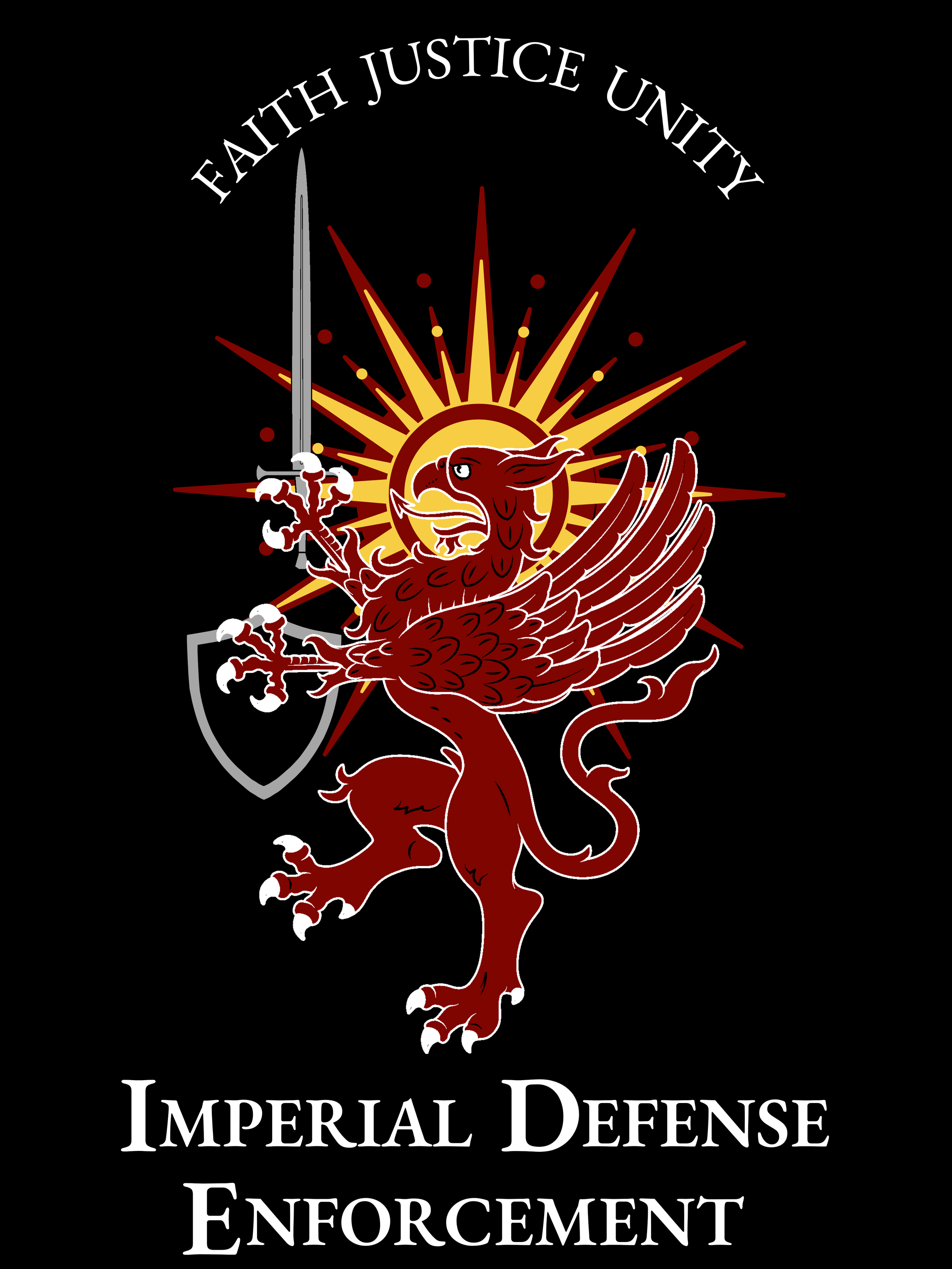
The IDE functioned as the primary military and enforcement arm of the Crown as a response to the formation of the RA. While presenting itself as a force for order and stability, its operations frequently blurred the line between law enforcement and systemic oppression.
The IDE initially maintained conventional military superiority, relying on structured command, fortified positions, and large-scale operations to assert control. However, their efforts were increasingly strained by the need to police internal unrest while simultaneously engaging insurgent forces.
Provisional Ryggrad’n Alliance (ProRa)
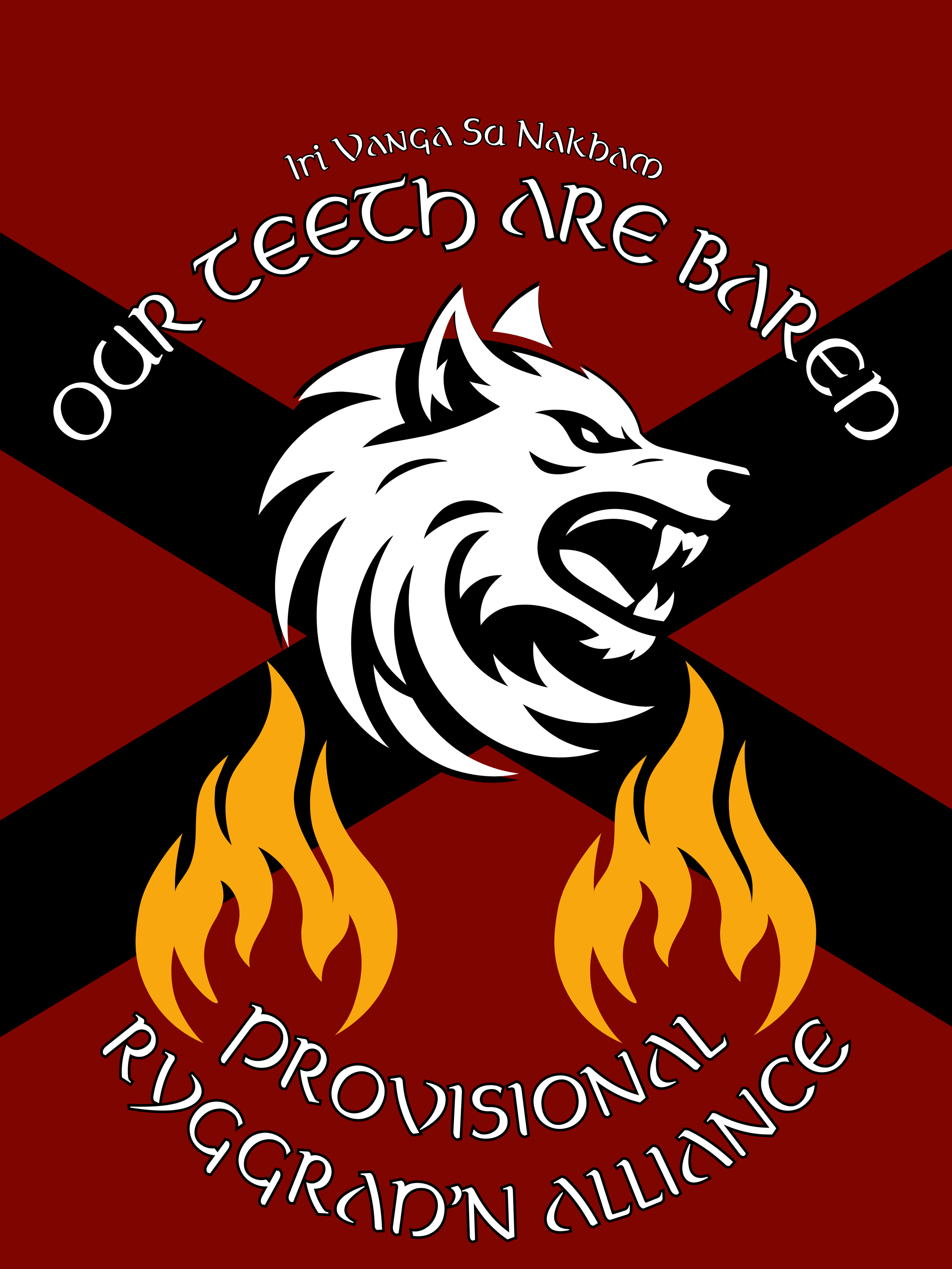
The Provisional Ryggrad’n Alliance emerged as a splinter faction of the RA, in part due to dissatisfaction with both IDE actions and perceived inaction within the RA. Organized into decentralized cells, ProRA adopted more radical tactics, including attacks on civilian targets. It viewed the RA as compromised and insufficiently committed to systemic change.
The ProRA’s decentralized cell-based structure enabled targeted attacks, sabotage, and acts of terror against both state forces and civilian populations, further destabilizing the conflict.
The Abyss Cult
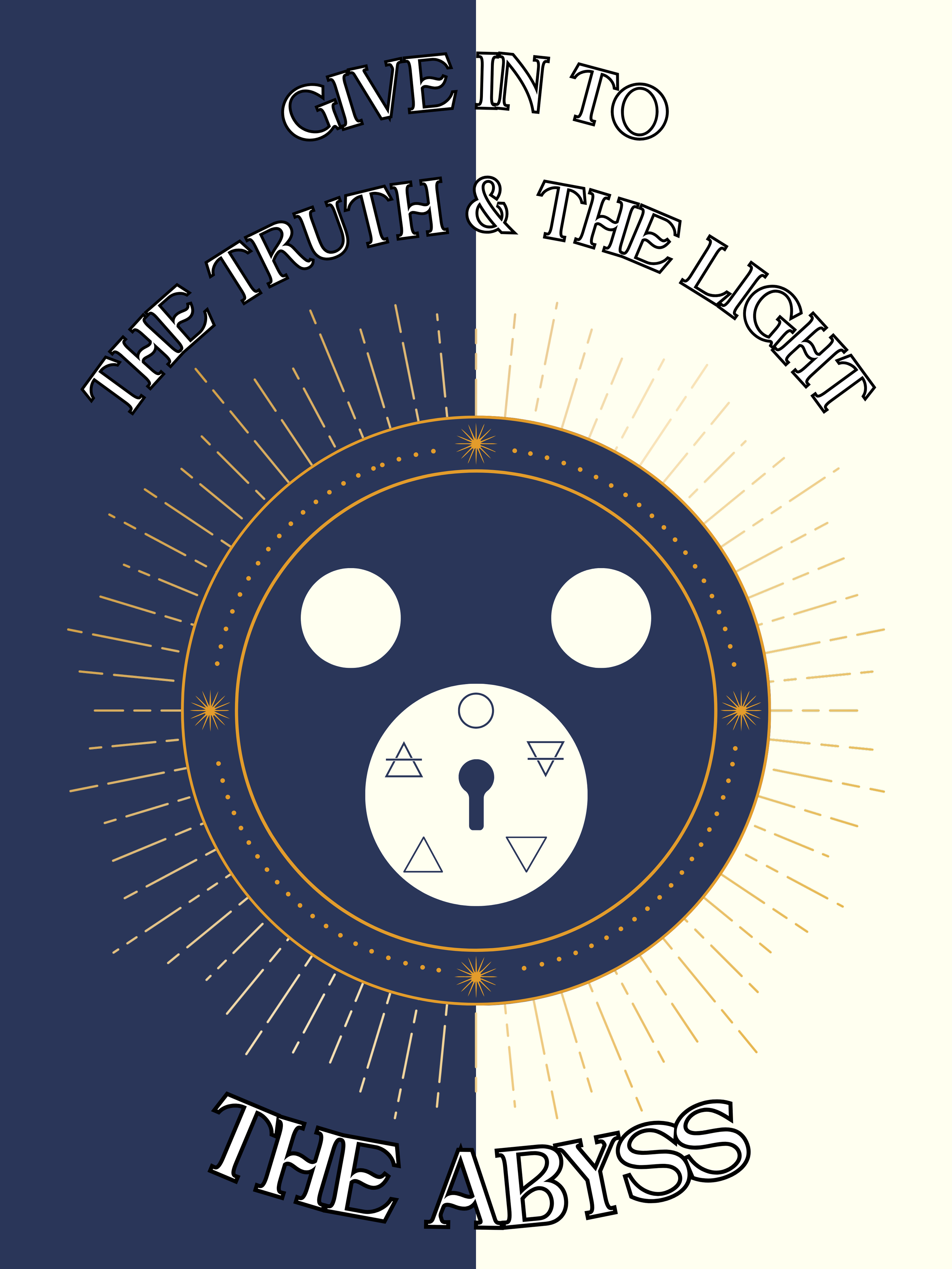
The Abyss was a transnational, eschatological movement devoted to the dissolution of reality itself. Unlike other factions, it did not pursue political or territorial objectives. Its adherents grew up in a world that knew nothing but endless war, so they described themselves as participants in an “inevitable correction,” seeking to unmake existence and “wipe the slate clean” and return all things to the abyss, or the nothingness, rather than reshape it.
Many outside the movement regarded its doctrine as contradictory. Cultists venerated a singular divine Light in the form of the Prophet Aldrivar, yet named themselves after the Abyss and spoke constantly of Nûlnan (the void, emptiness, and annihilation). To critics, this appeared hypocritical or nonsensical. Followers of the Abyss, however, argued that the Light was not a force of creation, but one of revelation: a truth so absolute that it exposed reality as a flawed and temporary illusion. In their view, the Abyss was not the opposite of the Light, but its inevitable destination.
The Abyss Cult introduced an entirely different dimension to the war. Operating without regard for territory or political gain, their unconventional actions were often designed to destabilize the system, and perhaps reality, itself. Reports of anomalous phenomena near cult activity zones suggest that their presence altered both battlefield conditions and the psychological state of combatants. Whether these effects were supernatural manifestations or the consequences of collective terror remains a matter of debate, but their impact on the course of the war was undeniable.
Chronological Order
Of
Major Events

Assassinations
Births
Cultural
Disasters
Laws
Massacres / Terrorist Attacks
Political Shifts
Religious Events
Resistances / Rebellions
Chronological events are noted and categorized by the following:
Click the ‘+’ below to interact
Casualties
By most modern estimates, the War of Horrors resulted in an estimated 12 million deaths, including both military personnel and civilians. A substantial proportion of casualties were non-combatants, reflecting the blurred boundaries between battlefield and civilian life.
In heavily contested regions such as Hearthmiel and the Novarian borderlands, prolonged campaigns and scorched-earth tactics led to the collapse of agricultural systems, resulting in widespread famine. Disease outbreaks followed, exacerbated by mass displacement and unsanitary conditions in refugee populations. Urban areas experienced sustained levels of sectarian violence, including targeted killings, reprisals, and coordinated attacks. In some districts, mortality rates approached those of active combat zones.
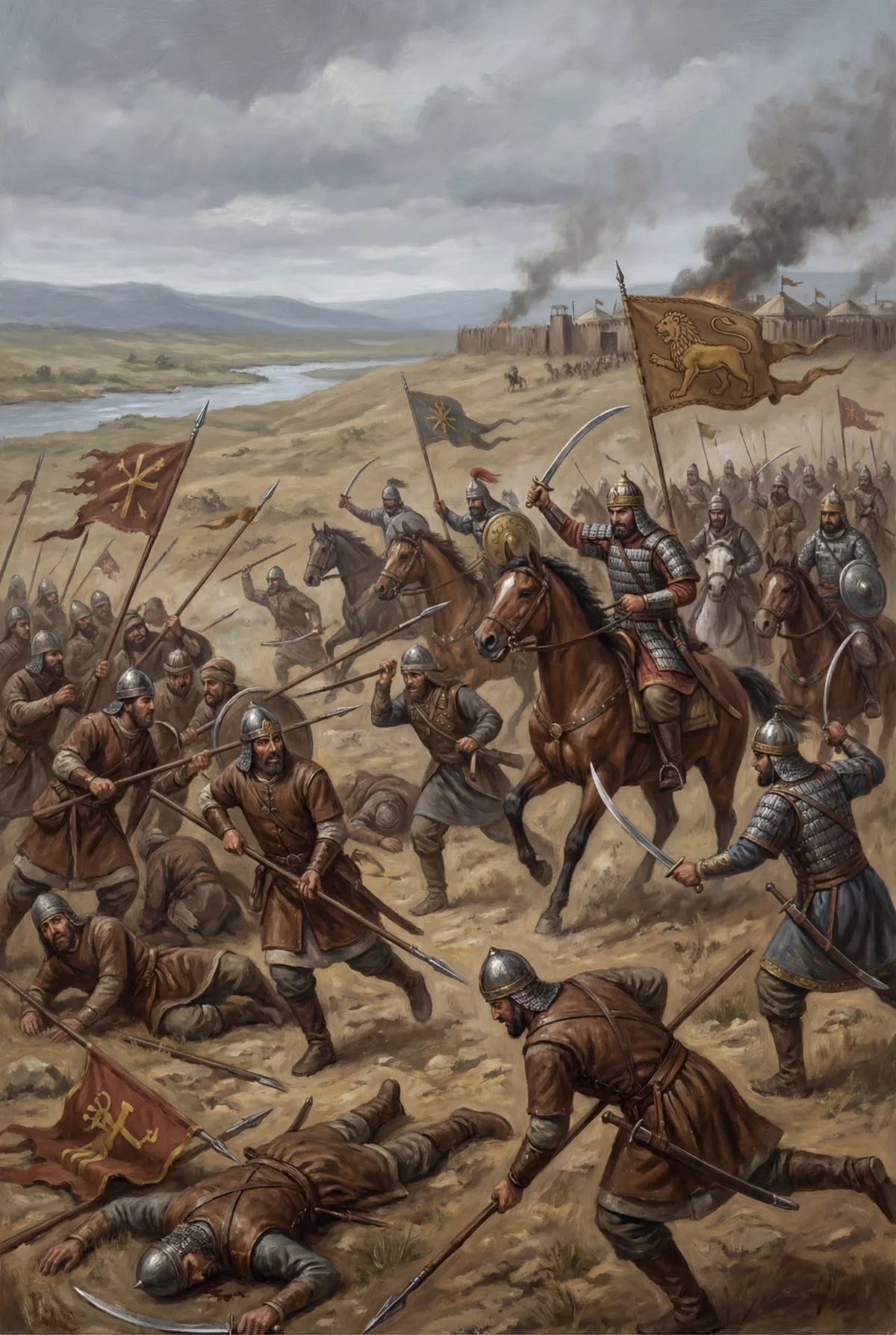
Certain regions, particularly within Dolornjaa, are believed to have lost up to one-third of their population during the conflict. Even decades later, abandoned settlements, mass graves, and “silent zones” remain as evidence of the war’s scale. However, these estimates remain difficult to verify due to the region’s harsh desert environment and limited accessibility, particularly outside areas inhabited by the Vyssyk people.
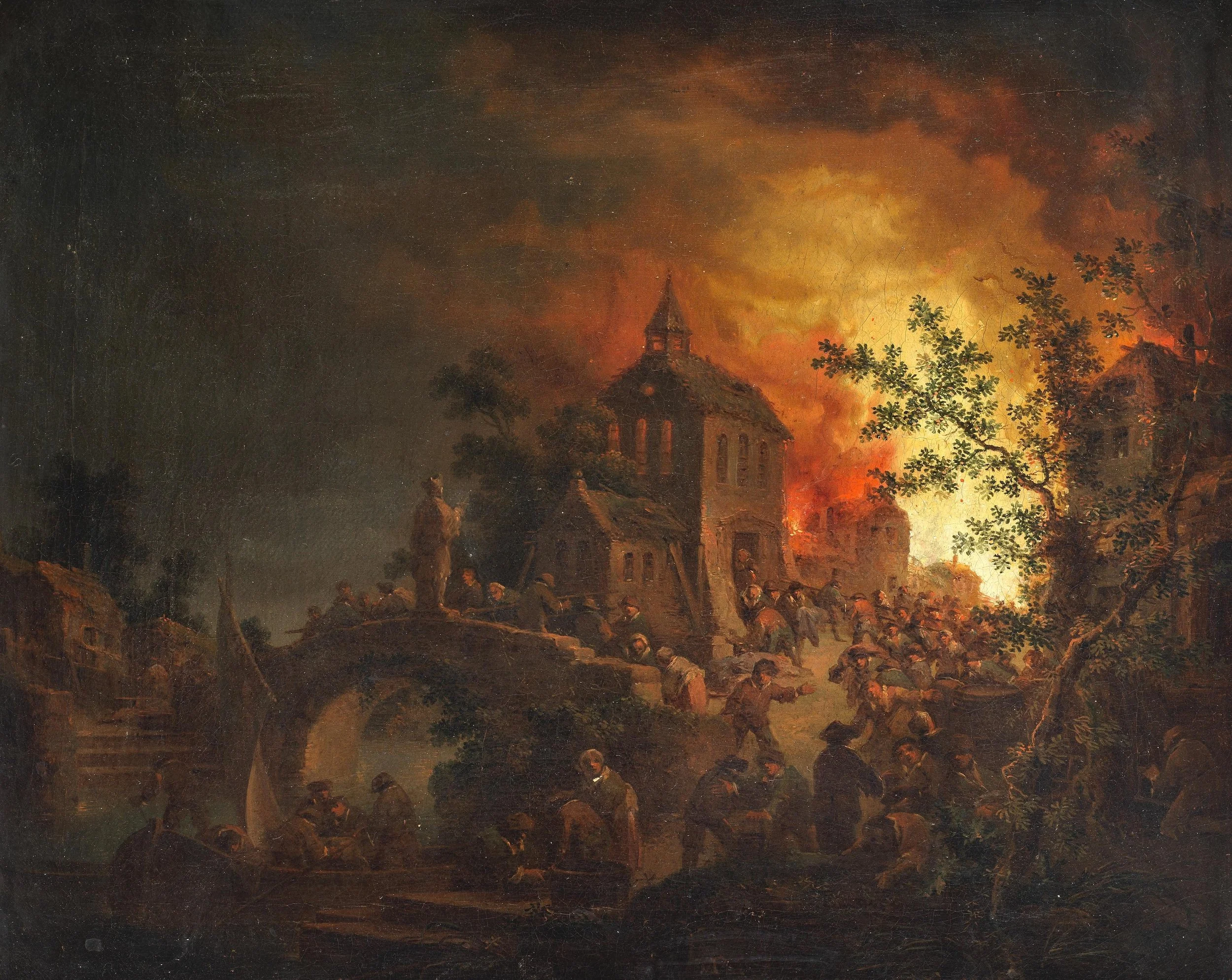
The War of Horrors fundamentally reshaped the social and cultural fabric in the Realm of Patalia. For a generation, daily life was defined by uncertainty, surveillance, and loss.
In both urban centers and rural areas, communities became increasingly segregated along political and religious lines. Neighborhoods aligned themselves with specific factions, often enforced through violence or intimidation. Murals, symbols, and coded insignia emerged as both expressions of identity and warnings of territorial control.
A pervasive culture of silence and suspicion took hold. Informants, both real and imagined, fractured trust within families and communities. Public spaces became sites of tension, where gatherings could quickly turn into acts of defiance or targets of reprisal.
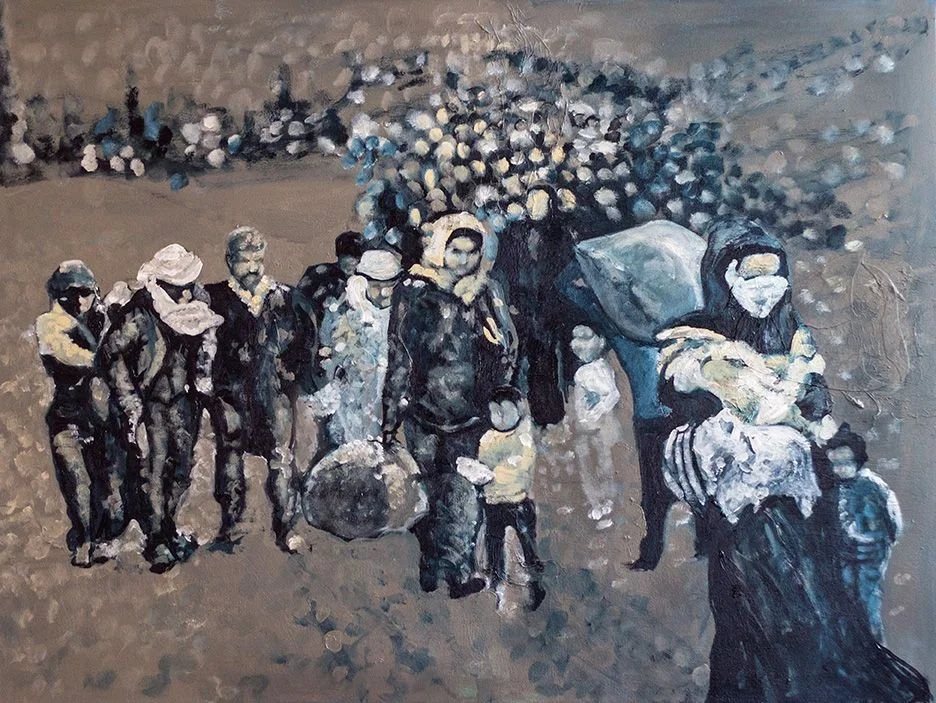
Mass displacement resulted in the formation of large refugee populations, becoming a defining feature of the era. Many of whom remained displaced long after the war’s conclusion. Millions were forced to flee their homes, creating a generation of refugees whose identities were shaped by movement and loss. In some regions, entire cultural traditions were disrupted or lost entirely as populations scattered.
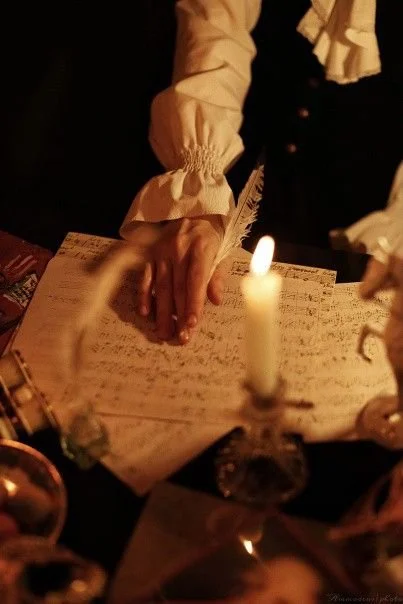
Religious practices intensified during the conflict. For some, faith became a source of resilience and communal identity. For others, particularly in regions affected by the Abyss Cult, religious belief became intertwined with existential fear, fatalism, and radicalization.
Art, music, and storytelling during and after the war adapted to reflect the trauma of the period. Folk songs, oral histories, and later written accounts often reflected themes not on victory, but on survival, grief, disillusionment, and the longing for stability. Many of these works persist as the primary means by which the war is remembered among common people.
Even decades after the war’s end, its effects remain deeply embedded in the culture of the realm. Social divisions, political distrust, and generational trauma continue to shape the world that followed.
Political Consequences
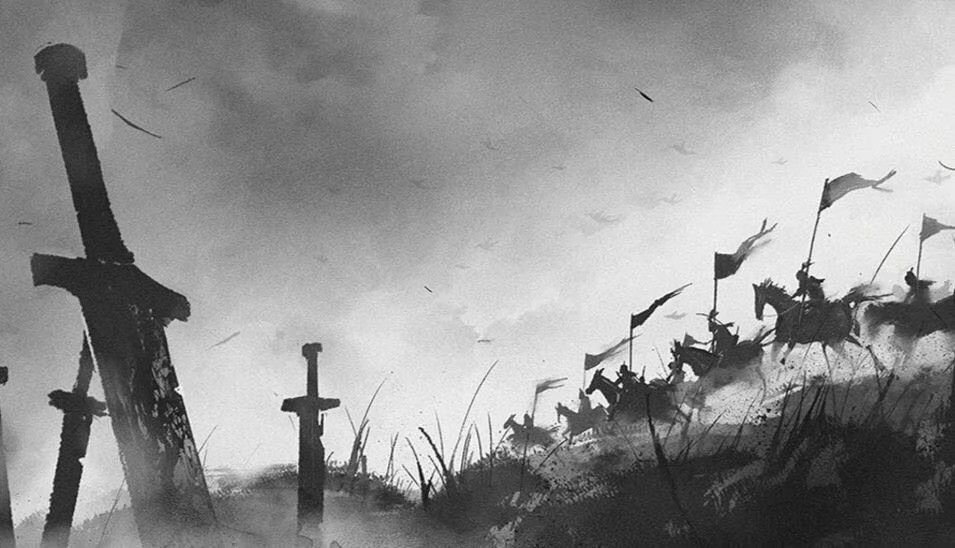
In the decades following the conflict, the political and social consequences of the War of Horrors remained deeply entrenched. Magic was outlawed and designated as sinful under state doctrine, with mages subject to persecution. Regions such as Dolornjaa continued to experience internal conflict, and refugee movements placed ongoing strain on neighboring territories. A generation shaped entirely by war carried lasting psychological trauma, contributing to widespread distrust of institutions and authority.
Aftermath
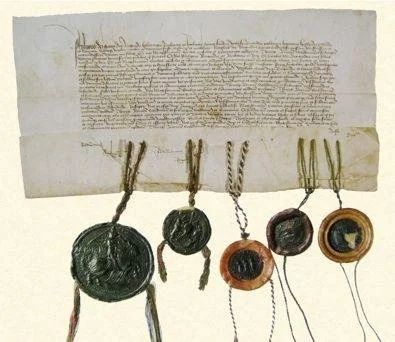
The reign of Resilia II left a lasting imprint on the Queendom of Novaria, which became associated with severity, centralized authority, and uncompromising governance. Subsequent monarchs inherited both the power and the burden of this legacy. The accession of Resilia II’s firstborn, High Queen Nelliana Fyrstrum at the age of eighteen marked a shift in tone, with early accounts suggesting a more populist and conciliatory approach to governance.
Fyrstrum Legacy
The War of Horrors is widely regarded as a defining event in the history of Patalia. Its effects continue to shape political systems, cultural identity, and collective memory across the realm. Despite the formal end of hostilities, the war’s consequences, social and geographical fragmentation, political instability, and enduring trauma, remain evident.
Social and Cultural Impact