The Wilds
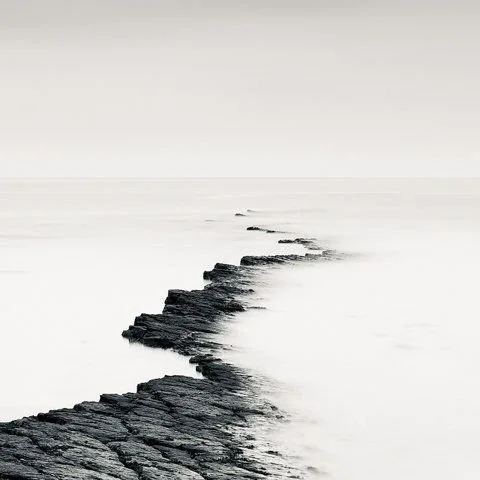
Only fools, brave souls, or Free Folk venture into The Wilds. It is home to the most dangerous creatures, plants, and landscapes in the entire realm. It is mostly a barren and desolate area of the world, covered by tundra and the Torpor Wastes. Here lies the edges of the known world, where any maps of this unclaimed territory are rudimentary at best.
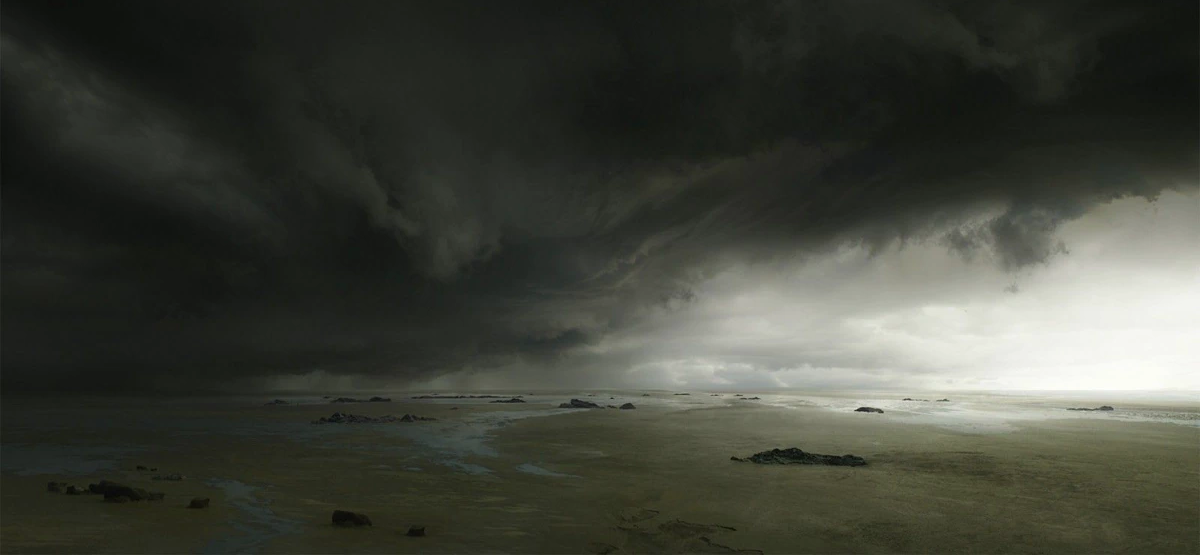
Nothing can survive for long in this grayscale wasteland. Hardly anything grows save for the edges around the Terrormor Sea, which is the birthplace of Leviathans. There is an ancient legend that tells of an ungodly and immensely gigantic titan named only as the Jaws of Extinction, was born out of that part of the world, and when it rose up, the waters from all the oceans swelled to fill it.
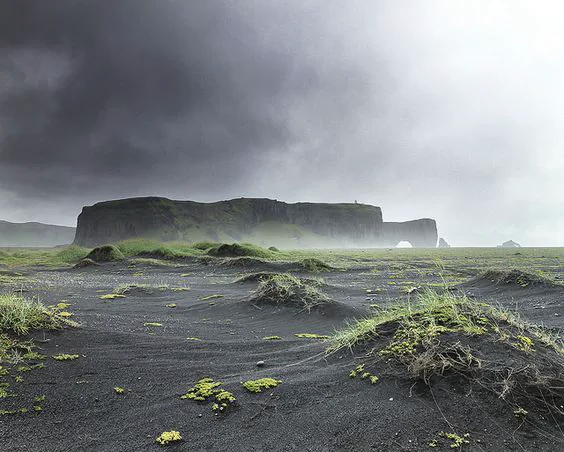
Somewhere beneath the tundra and taiga of The Wilds, perhaps in the east, near the region known as the Torpor Wastes, lies a supposed vast underground kingdom of the Giants. Some say earthquakes are partially due to their movement beneath.
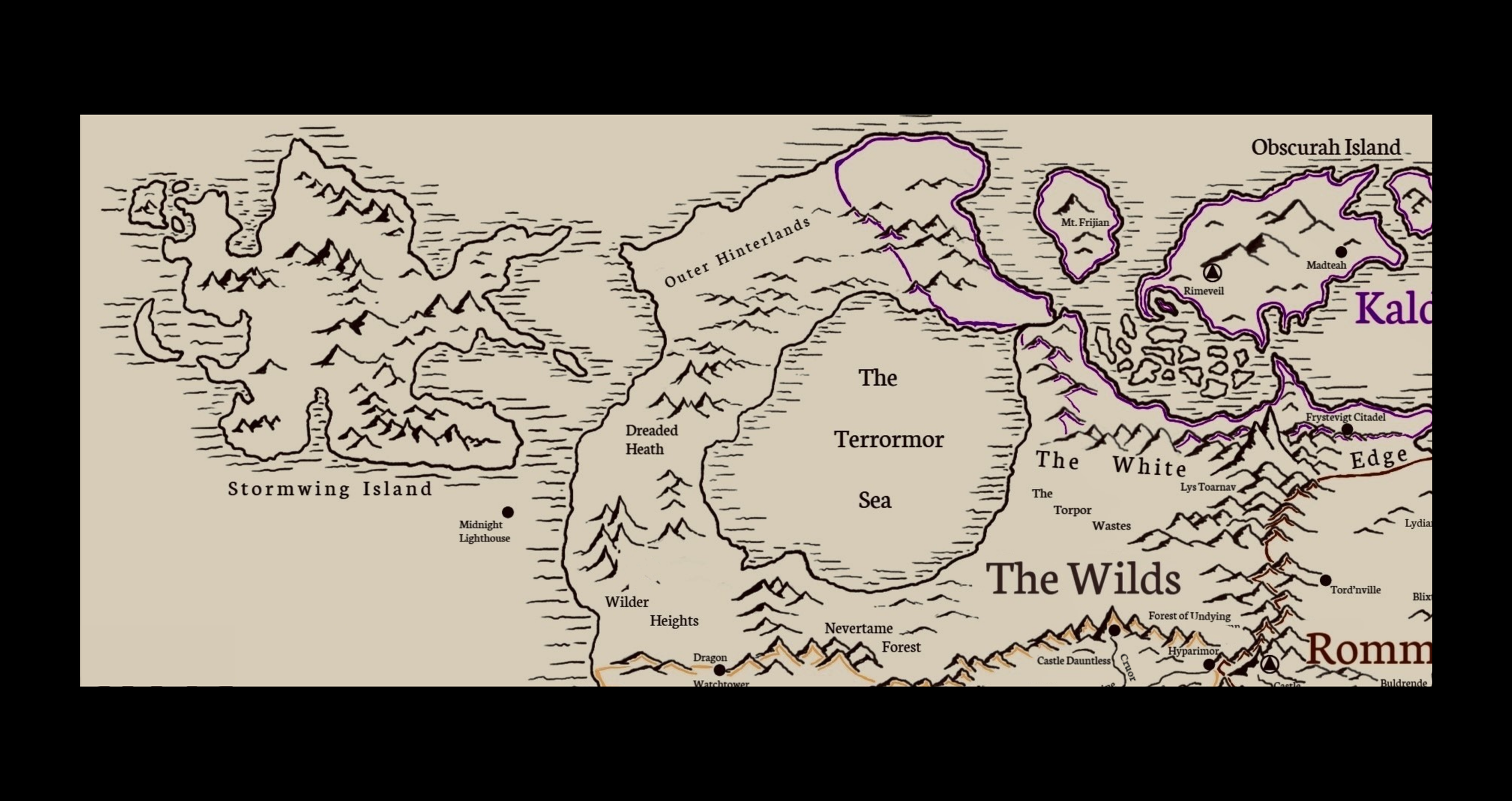
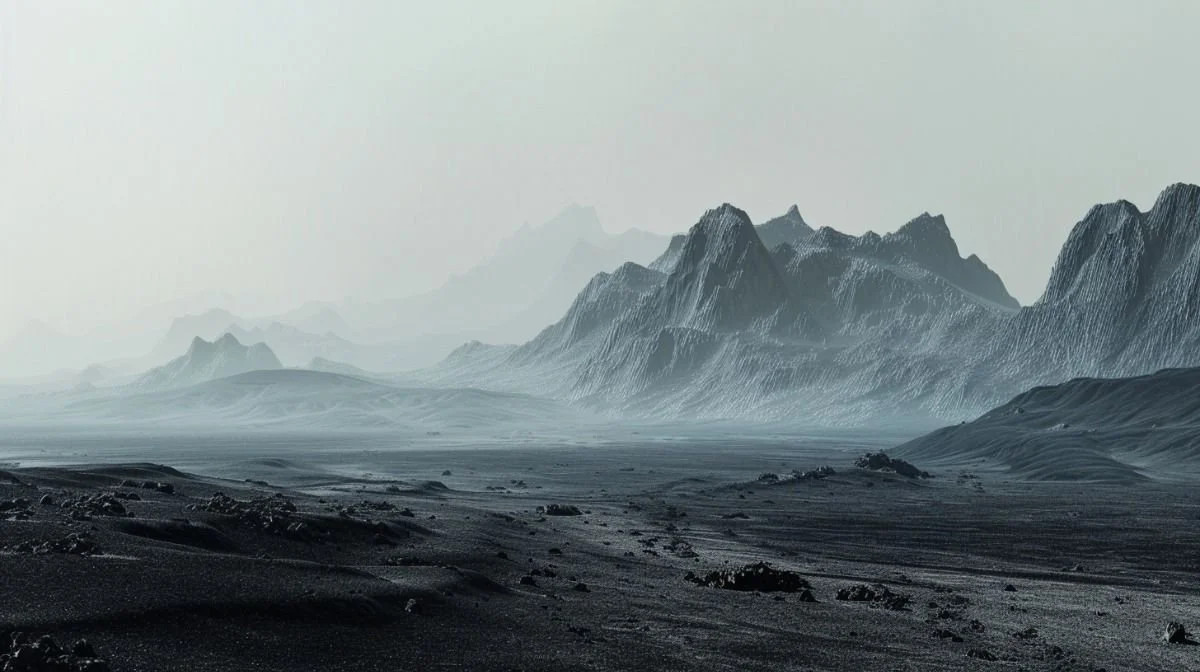
Numerous attempts have been made throughout history to explore, settle, or lay claim to the region. Few have amounted to anything. Settlements established beyond the recognized frontiers have disappeared, been abandoned, or become isolated from the realms that founded them. Expeditions sent farther north have often returned with incomplete and contradictory accounts, when they have returned at all. Consequently, no sovereign power has ever maintained sufficient control.
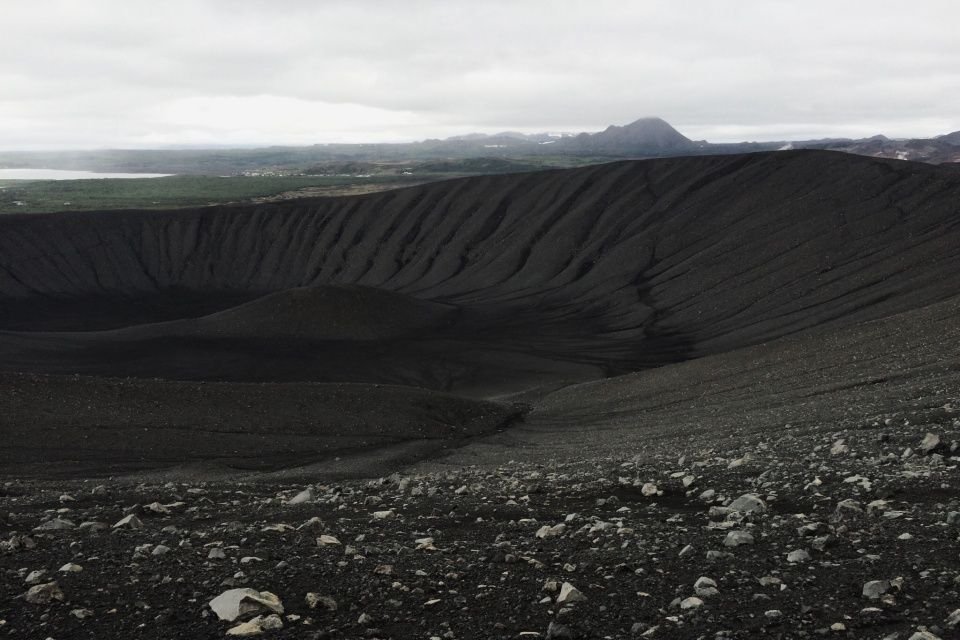
How far The Wilds extend remains uncertain. There are places in the northernmost reaches that do not appear on maps. Everything north of The Wilds and Kaldymens is shifting ice and largely considered conjecture, pieced together from the accounts of explorers, Free Folk, sailors, and the occasional survivor of expeditions into the interior. That far north and that far and west lies those uncertain boundaries where cartographers traditionally leave the world blank.
Background
The Wilds have never belonged to any kingdom, empire, or recognized nation of the known world. Though commonly described on southern maps as unclaimed territory, the term is somewhat misleading. The Free Folk have inhabited portions of the region for countless generations, living in scattered tribes and settlements beyond the authority of any crown. Giants are likewise believed to have occupied the far north since long before the first mortal kingdoms were founded, though how much of The Wilds they actually inhabit remains unknown.
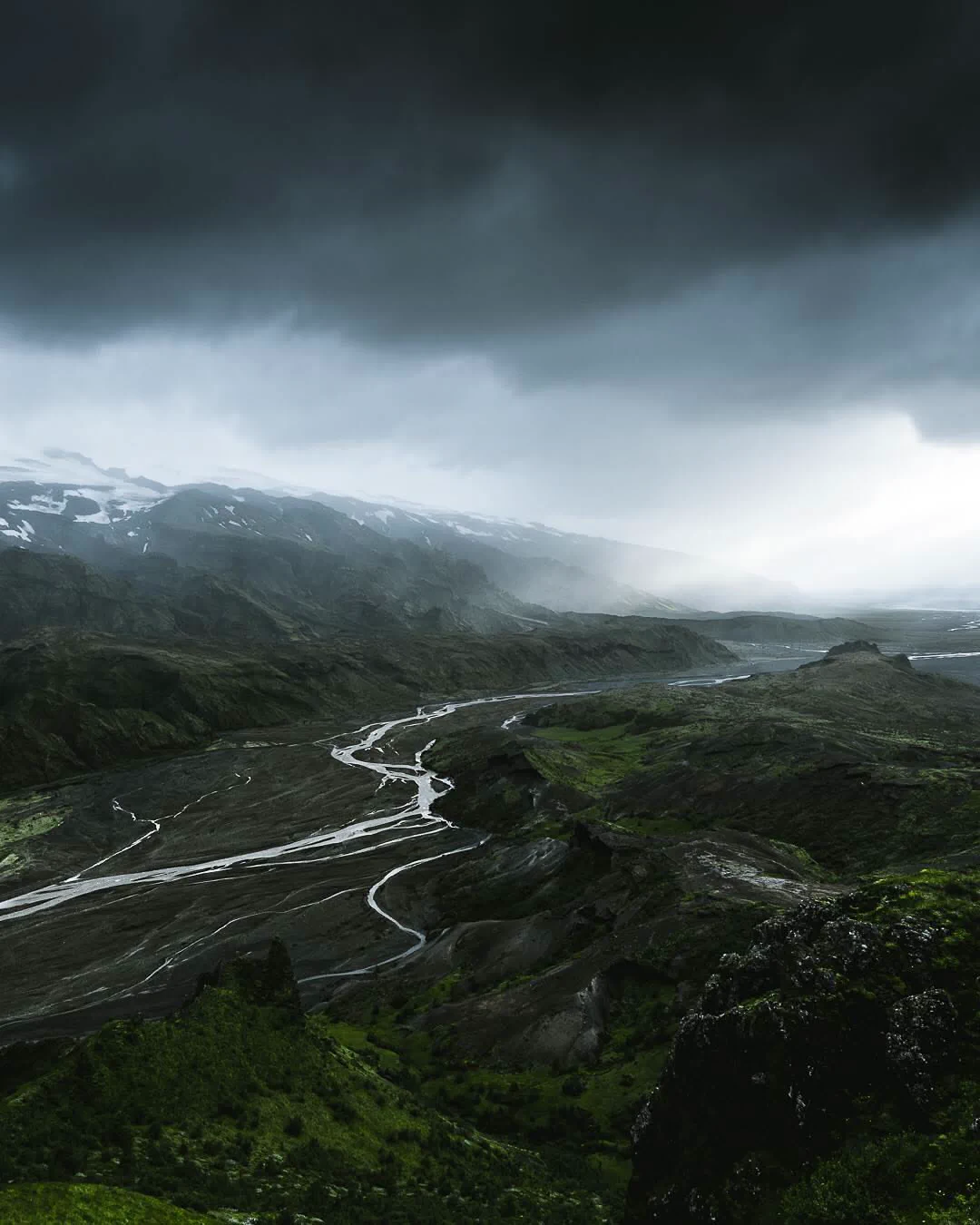
Relations with the Free Folk have varied considerably over the centuries. Some communities trade with settlements along the frontier and the Terrormor Sea, while others deliberately avoid outsiders. The name Free Folk itself encompasses numerous peoples rather than a single nation, united principally by their existence beyond the governments, laws, and borders of the recognized realms. Considering that a great many people have been exiled from the empire into The Wilds, and have fled rule from the empire into The Wilds, attempts to bring the Free Folk under foreign rule have historically been met with resistance, migration deeper into The Wilds, or simply the inability of would-be conquerors to maintain a presence there.
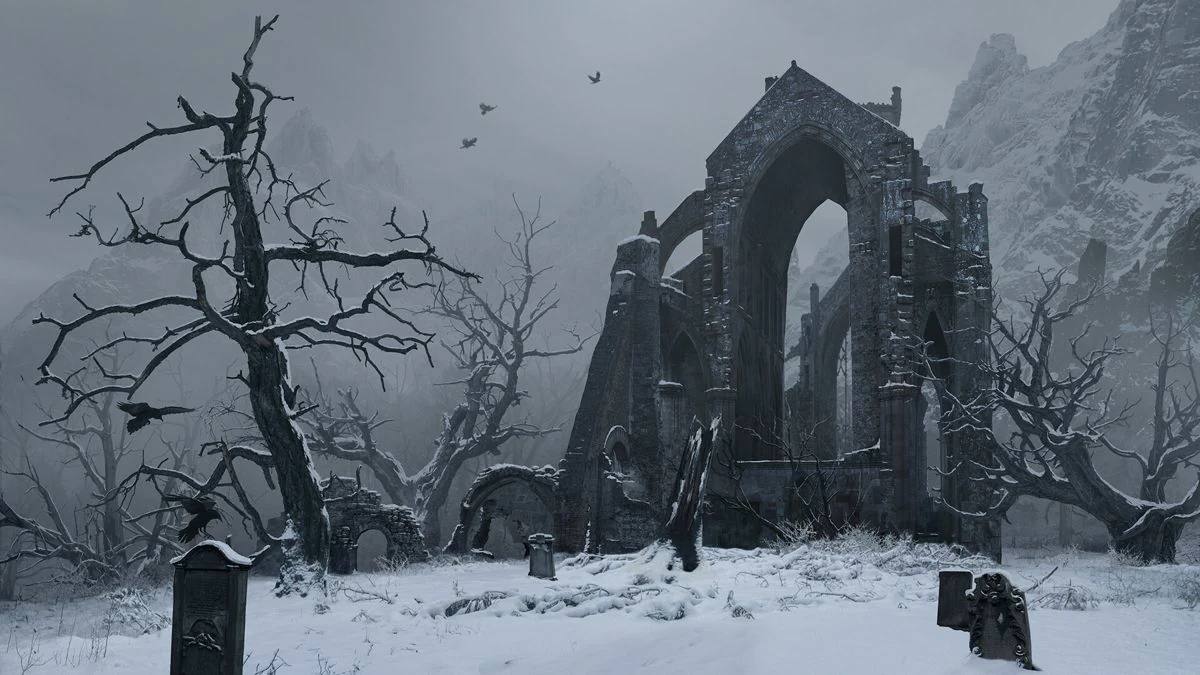
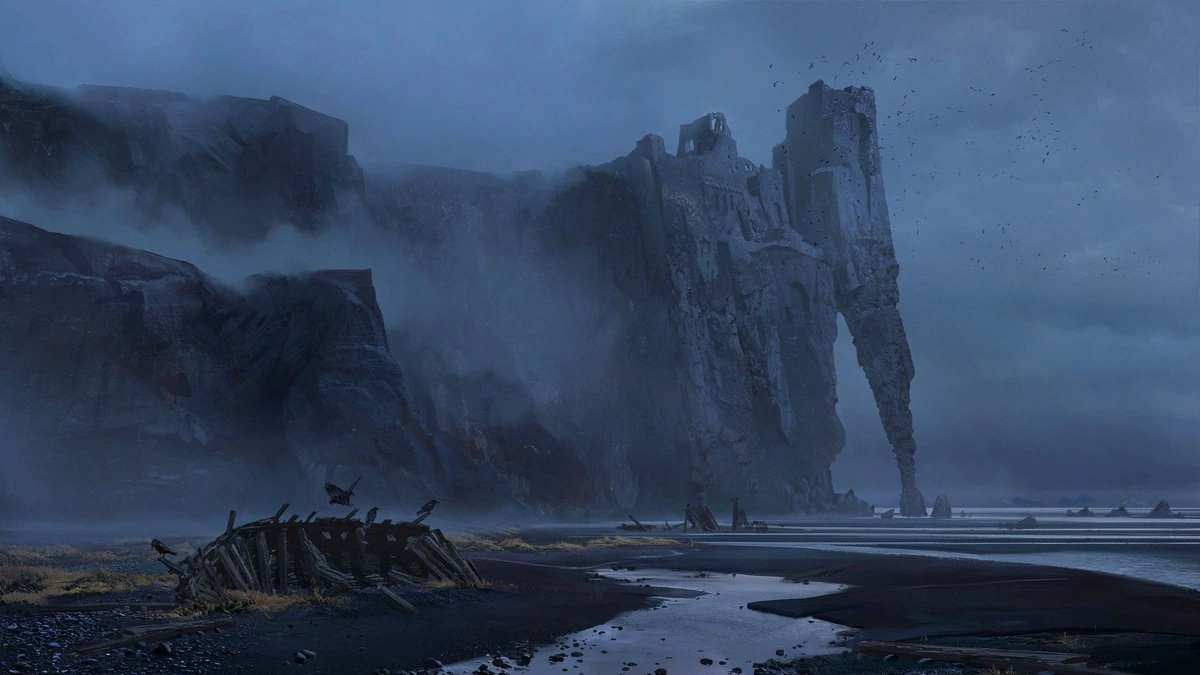
The remains of these attempts can still be found throughout the region. Crumbling walls stand along empty shores, wrecked ships lie half-buried in the coastal sands, and abandoned roads occasionally emerge from beneath snow or tundra before disappearing again into the wilderness. Such ruins have given the Wilder Heights a reputation among outsiders as a graveyard of settlements.
The Free Folk have never shared this difficulty. Their communities are generally smaller, mobile or semi-permanent, and built according to knowledge accumulated over generations. They know which valleys remain sheltered during the winter, where game migrates, which waters freeze safely, which plants can be gathered during the brief growing season, and which places are best avoided altogether. To them, the Wilder Heights are not an empty wasteland but a difficult homeland whose dangers can be survived by those who understand it.
This distinction has long been a source of tension between the Free Folk and the peoples beyond The Wilds. Where outsiders have historically seen unused territory awaiting settlement, the Free Folk see lands already inhabited, traveled, and named.
The Wilder Heights
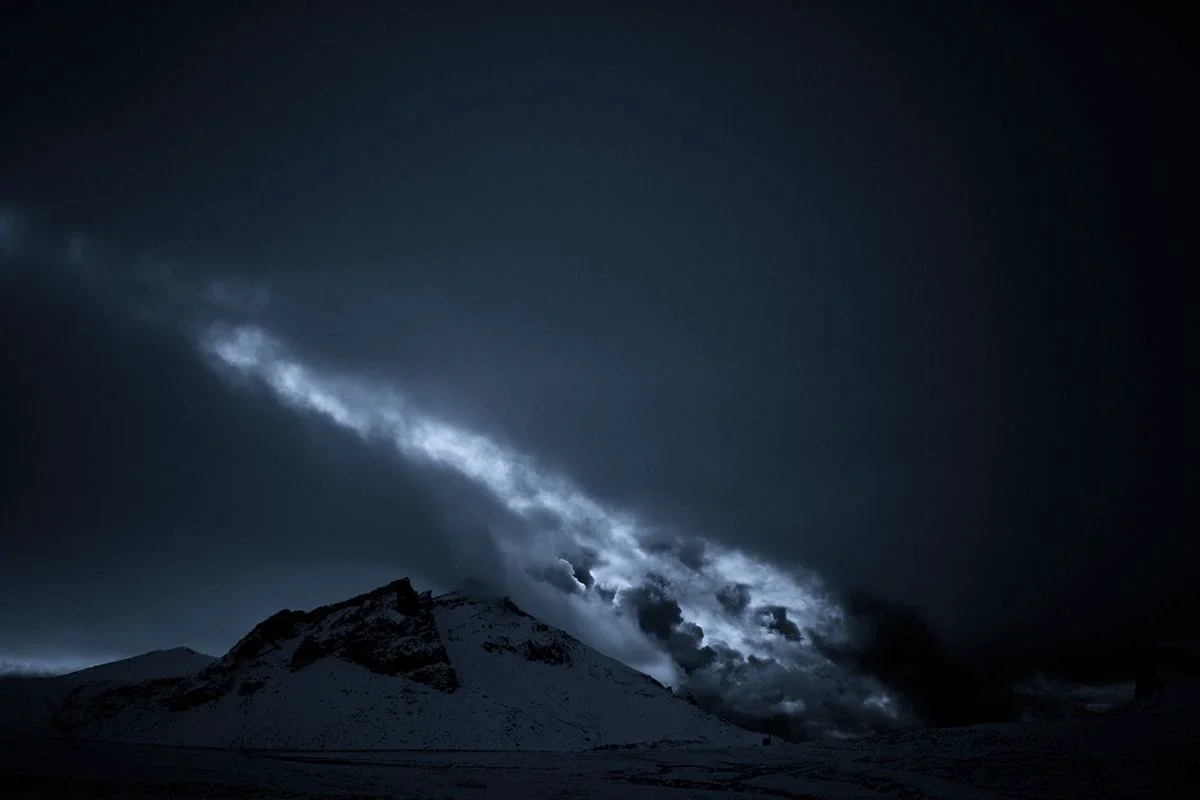
The Wilder Heights occupy the southwestern coast of The Wilds, where mountains and high plateaus descend toward the sea in a succession of barren valleys, cliffs, and blackened shores. The region is perpetually battered by cold winds sweeping inland from the ocean, and storms can descend upon the coast with little warning. Vegetation becomes increasingly sparse at higher elevations, while the lowlands consist largely of tundra, marsh, stone, and stretches of dark volcanic earth.
Its position along the southwestern coast has made the Wilder Heights one of the most frequently attempted points of settlement by peoples from the established provinces. Small colonies, trading posts, mining camps, and fortified settlements have been founded there at various points throughout history. Most survived only a few years. Some were abandoned after particularly severe winters or the failure of supply routes; others succumbed to famine, disease, attacks by creatures, or simple isolation. A handful disappeared so completely that their ruins are now known only through old maps and Free Folk accounts.
Nevertame Forest
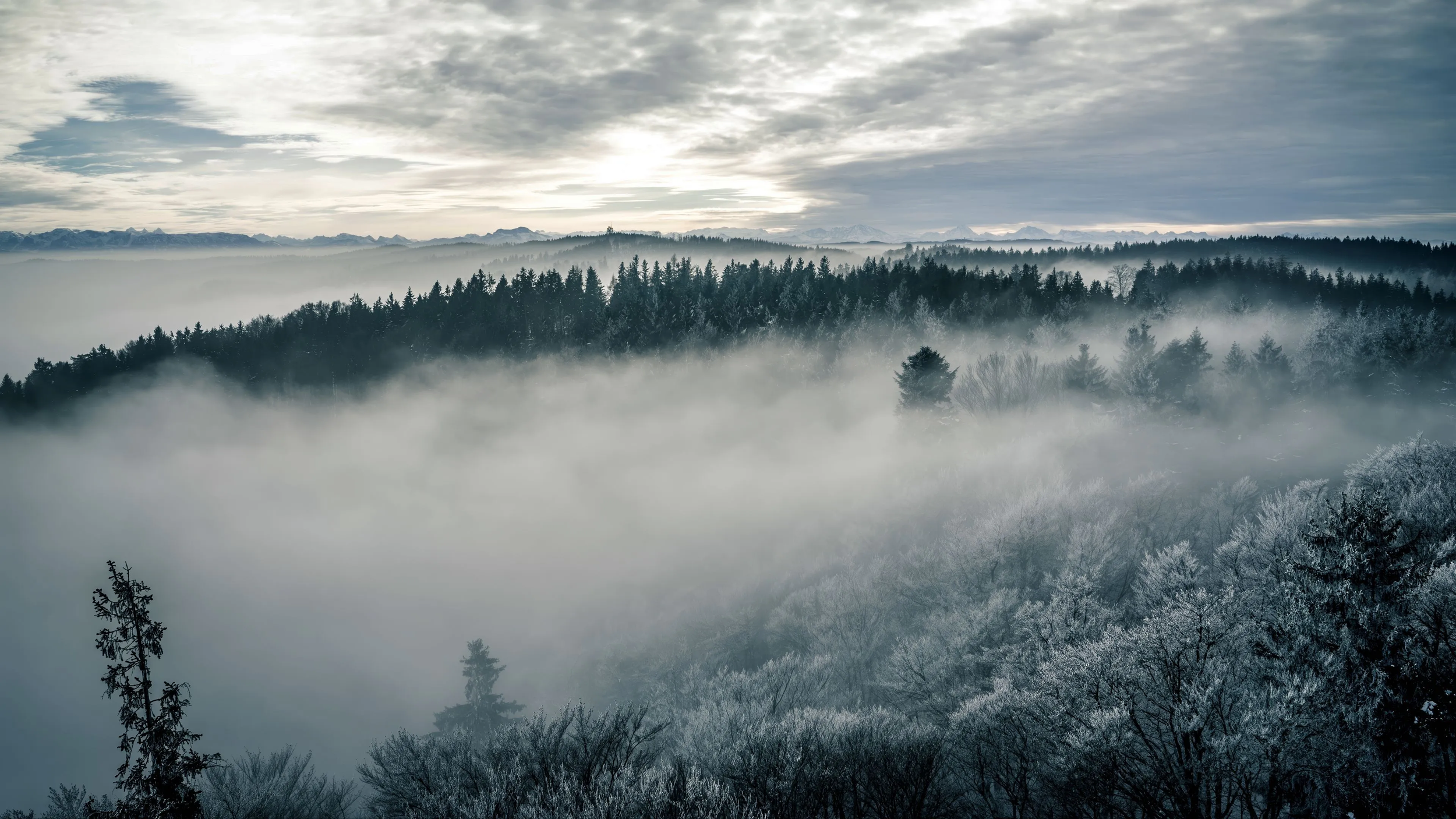
Beyond the Venstre'lem Mountains, moving eastward into the interior of The Wilds, lies the Nevertame Forest. The mountains themselves rise abruptly from the surrounding plains, forming an immense wall of stone between the forest and the harsher country to the west. Their presence shelters the valleys beyond from some of the worst winds and weather sweeping across The Wilds, creating one of the few regions where dense vegetation can flourish.
For this reason, Nevertame contains perhaps the greatest concentration of plant and animal life anywhere in The Wilds. Vast conifers dominate much of the forest, interspersed with sheltered valleys, wetlands, rivers, and meadows that erupt with vegetation during the brief warmer months. Animals found only sparsely elsewhere can exist here in considerable numbers, and many creatures migrate toward the forest when conditions beyond the mountains become too severe.
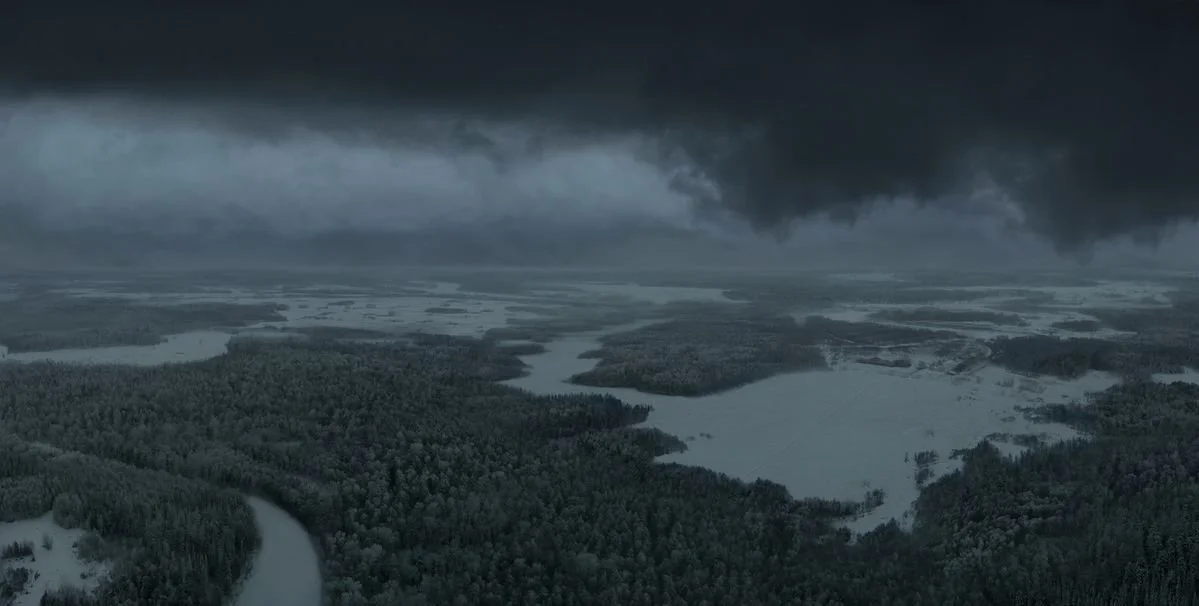
Life in the Nevertame is not merely abundant, however, it is large.
Trees of extraordinary age grow to proportions rarely encountered elsewhere. Plants known throughout the rest of the world occur here in unusually hardy forms, while animals can grow considerably larger and more aggressive than their southern relatives. Even familiar species have developed a reputation for behaving differently within the forest. Predators are particularly feared, and Free Folk hunters warn that an animal encountered in Nevertame should never be judged by what one knows of the same creature elsewhere.
Natural philosophers have attributed these peculiarities to the shelter provided by the Venstre'lem Mountains, the richness of the soil, and the relative abundance of water and prey. The Free Folk tell another story…
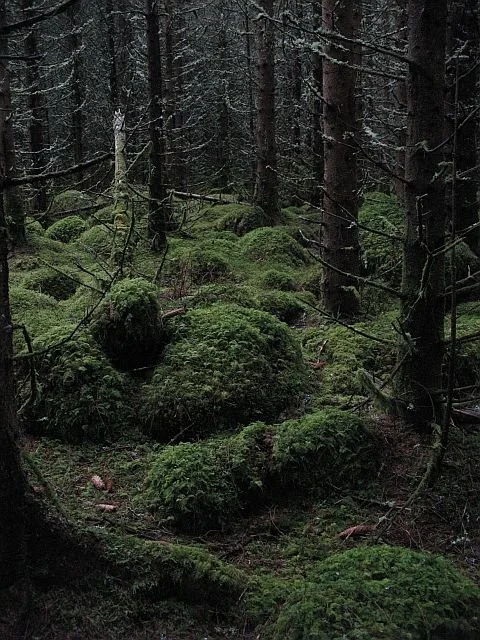
According to traditions considerably older than any surviving map of The Wilds, something ancient dwells somewhere within Nevertame. No agreement exists as to what it is, where it resides, or whether it should even be understood as a creature. Some traditions place it beneath the oldest reaches of the forest; others claim that it is the forest, or that Nevertame grew around it countless ages ago. Whatever its nature, it is said to call life toward itself.
Plants grow toward it. Animals wander toward it. Things that remain beneath its influence for generations become stronger, larger, hardier, and more ferocious.
For this reason, the Free Folk do not regard the abundance of Nevertame as entirely benevolent. The forest provides food, timber, medicine, shelter, and game in quantities almost unknown elsewhere in The Wilds, but those who venture too deeply beneath its canopy are warned to pay attention to what grows around them. The larger and stranger the living things become, the closer one is believed to have wandered toward whatever lies at the heart of Nevertame.
No one has ever conclusively determined what that might be.
Torpor Wastes
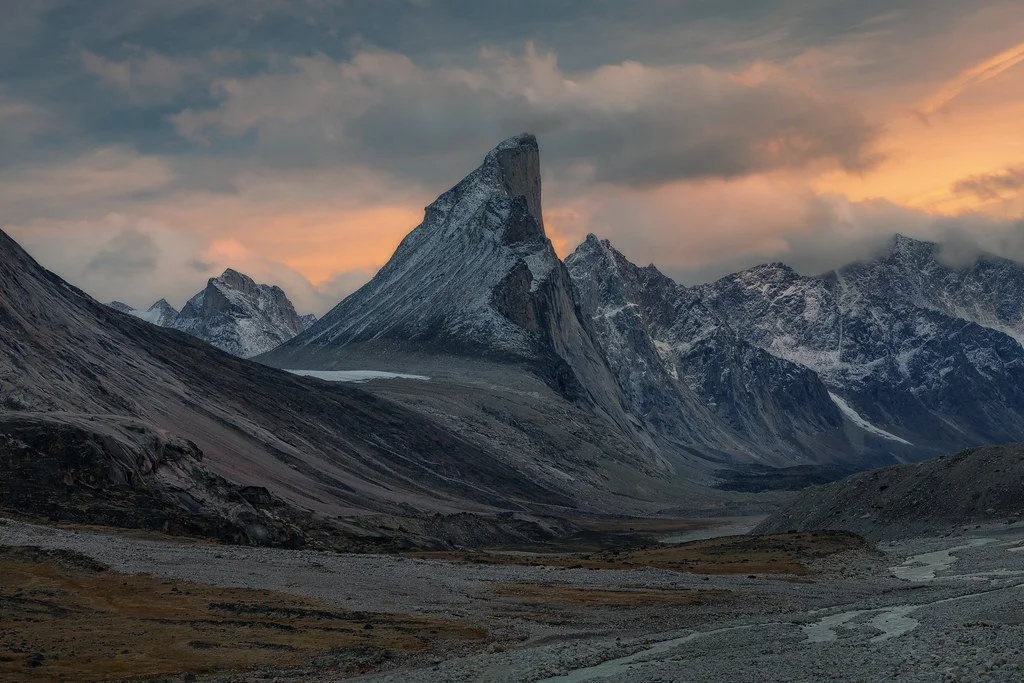
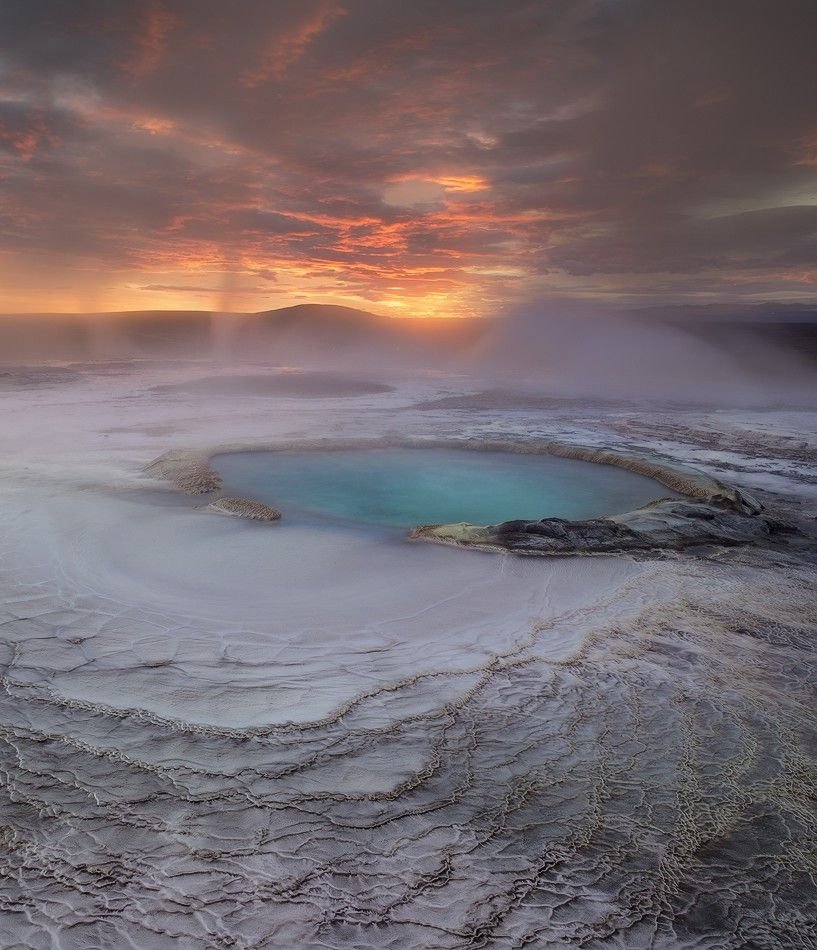
Farther north and west lie the Torpor Wastes, an immense expanse of tundra, barren valleys, mountains, and geothermal lowlands forming one of the most desolate regions of The Wilds. Much of the land remains frozen for most of the year, yet scattered throughout the wastes are places where the earth itself refuses to freeze. Hot springs, steaming pools, boiling mud, fumaroles, and vents break through the snow, sometimes warming entire stretches of otherwise frozen ground.
The greatest concentration of this activity occurs near Lys Toarnav, beneath the mountains traditionally associated with Morterrandath. According to ancient legend, the mountains are the remains of the creature's colossal skull, and the heat escaping from beneath them is the last of Morterrandath's foul breath seeping upward through the earth. Steam rising from the valleys is consequently sometimes called the Breath of Morterrandath, particularly among the Free Folk.
Whether anything of Morterrandath truly lies beneath the mountains is unknown. The more conventional explanation attributes the region to powerful geothermal forces beneath the Torpor Wastes. Even so, vents have opened and vanished without warning, springs have changed temperature within a matter of days, and occasional tremors are known to alter entire geothermal fields.
Little can survive within the springs themselves. Their waters can reach lethal temperatures and may contain minerals and other substances poisonous to drink. During the warmer months, however, tiny flies, mites, and other small creatures gather around their margins, while hardy vegetation grows wherever the soil remains cool enough to support it.
Winter brings much larger visitors.
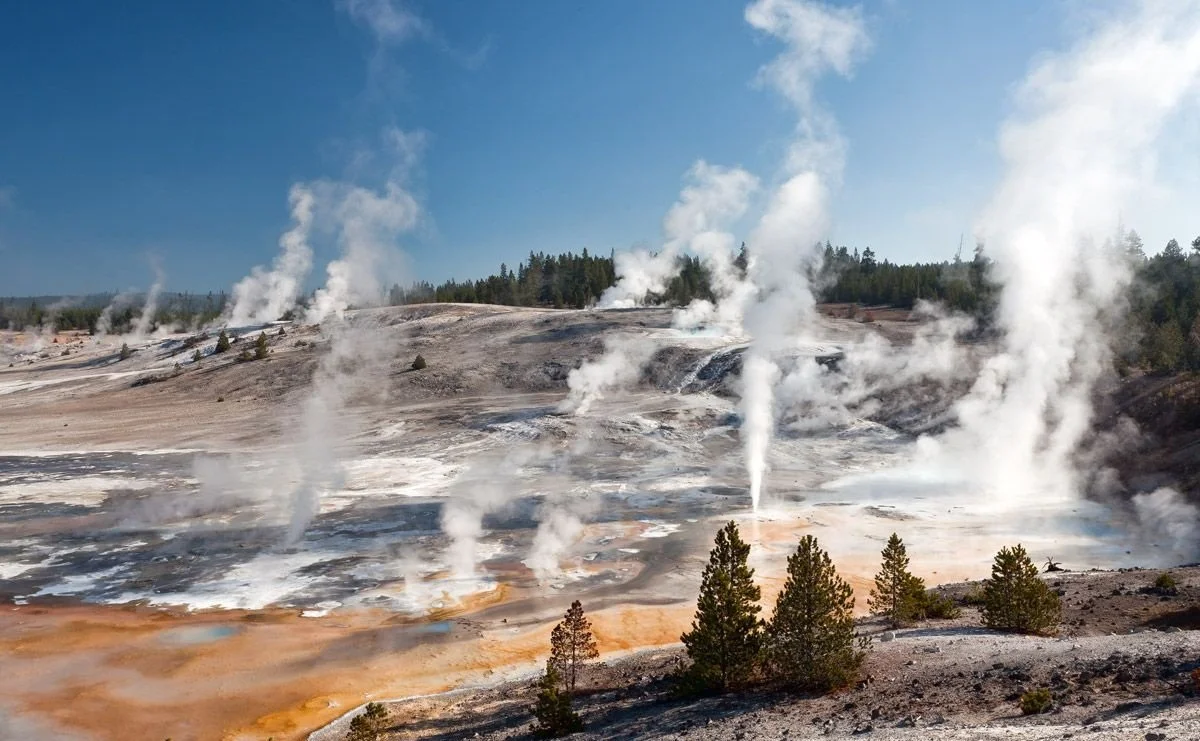
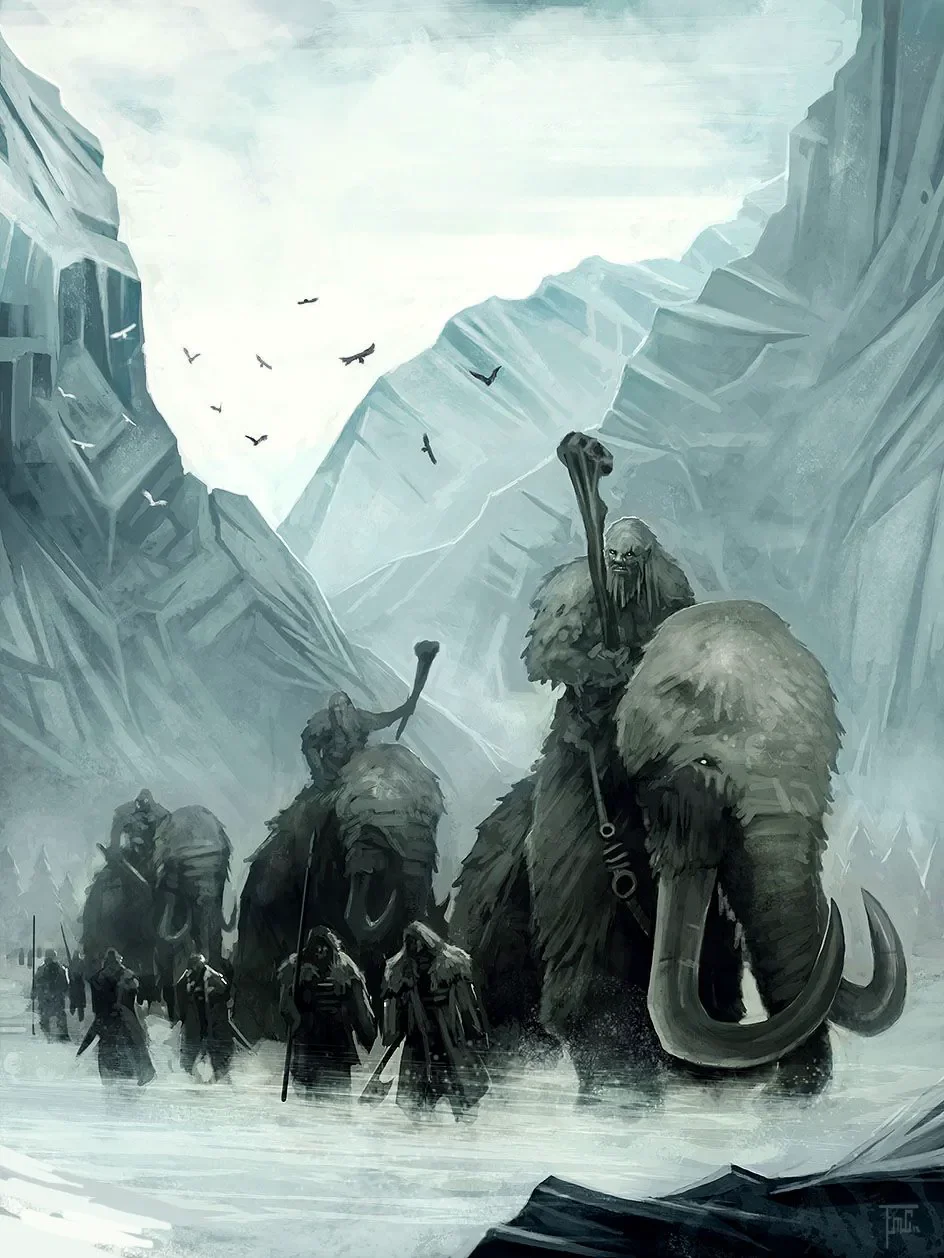
Bison, elk, bear, mammoth, and sabretooth are all known to enter the geothermal lowlands when deep snow covers the surrounding wastes. Warm earth leaves patches of ground exposed throughout even the bitterest winters, providing easier passage and occasional grazing. Animals also drink from streams formed by cooled runoff, though the Free Folk know well which waters are safe and which can sicken or kill.
For travelers, this makes the steaming valleys both refuge and hazard. A geothermal field can provide warmth, unfrozen water, and shelter from otherwise deadly cold, but seemingly solid ground may conceal boiling water beneath a thin mineral crust. Poisonous gases can collect in depressions, and sudden eruptions of steam have killed animals and travelers alike.
The Free Folk therefore warn that the Torpor Wastes are never truly dormant. Beneath the snow and stone, the land is still breathing.
The White Edge
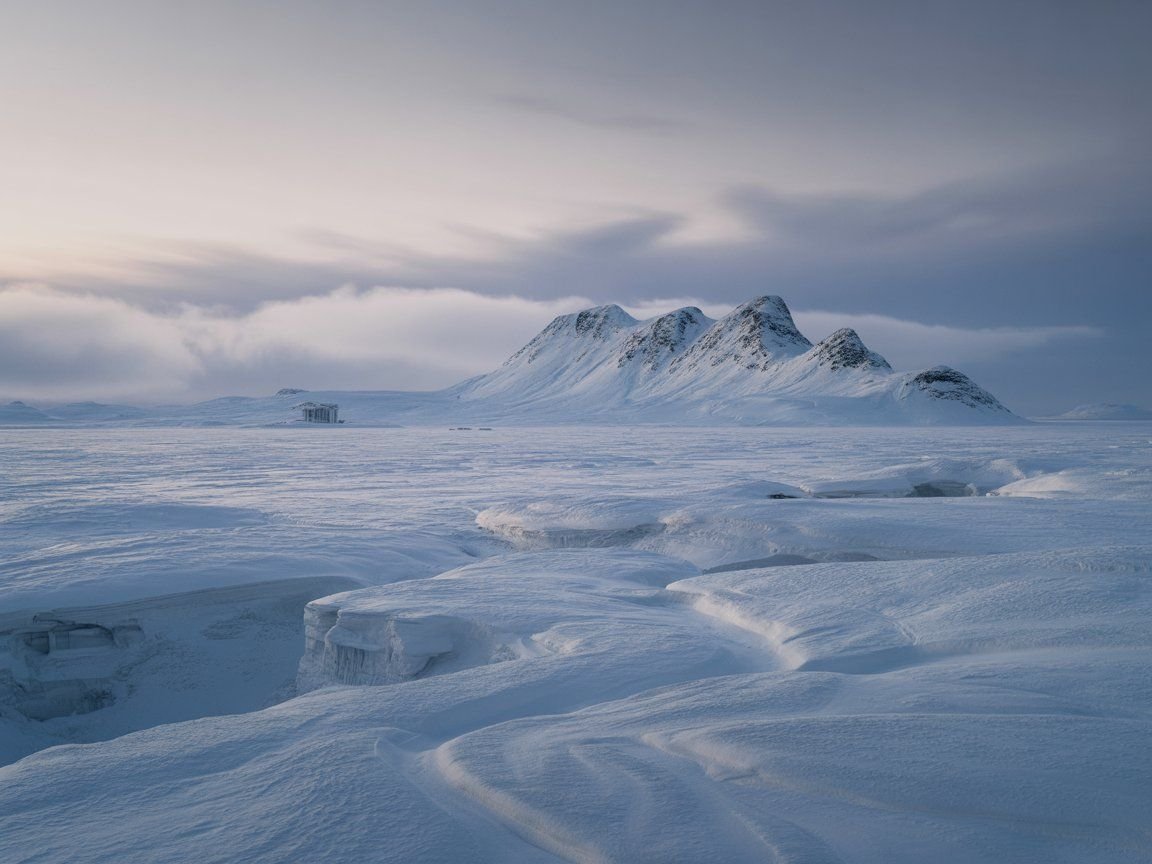
Across the northern reaches of The Wilds stretches the White Edge, a vast geological boundary of mountains, glaciers, ice fields, and permanent snow separating the interior wilderness from the far northern lands of Kaldymens. To the east lie the provinces of Rommelen, while beyond the White Edge to the north and northeast begin the ice-covered reaches of Kaldymens.
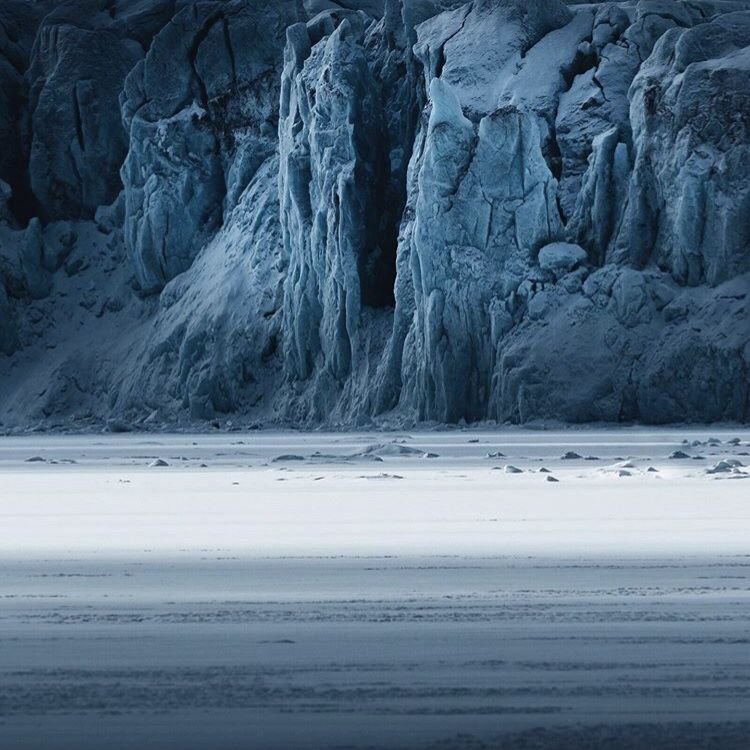
The White Edge is not a single mountain range so much as an immense barrier formed by several overlapping features of the northern landscape. Glaciers descend between mountains and spread across valleys, while snowdrifts can bury recognizable landmarks beneath many feet of snow. Crevasses open beneath apparently solid ground, and entire slopes can become impassable following storms. In some places, the ice stretches uninterrupted to the horizon.
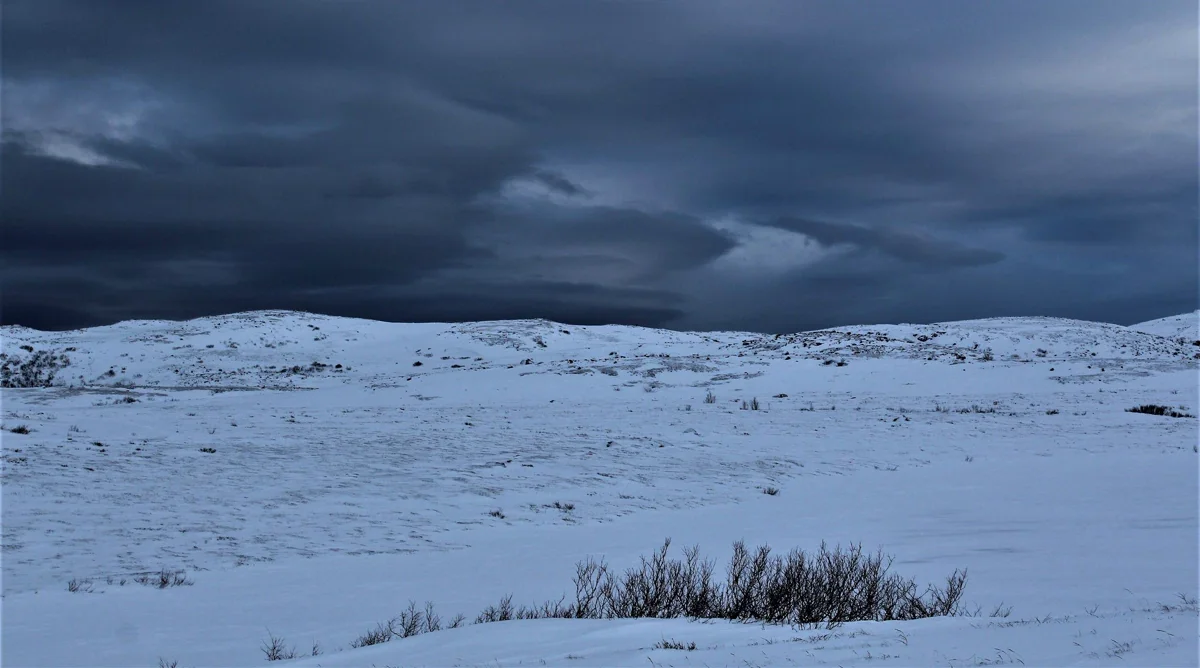
The western reaches of the White Edge meet the northernmost mountains associated with Morterrandath, whose colossal remains are said to form portions of the Torpor Wastes. According to legend, these mountains are fragments of the great creature's skull, frozen into the earth after its death. Here the steaming ground and geothermal valleys farther south finally surrender to permanent ice.
Despite appearances, the White Edge is not completely impassable.
The principal land route between Rommelen and Kaldymens passes through a break in the mountains known as the Frozen Pass. For centuries it has provided one of the only reasonably dependable passages through the White Edge, though even this route can become dangerous or temporarily impassable during severe weather.
On the Kaldymish side of the pass stands Frystevigt Citadel, a fortress constructed from stone, ice, and magic. The citadel guards the passage into Kaldymens and serves as both fortress and gateway for those arriving from the south. Travelers who successfully cross the Frozen Pass can find shelter there before continuing farther into the country, and maintained routes beyond Frystevigt provide comparatively safe passage into the inhabited regions of Kaldymens.
For those capable of making the journey overland, the Frozen Pass and Frystevigt Citadel therefore represent the most accessible entrance into the far north. Attempts to circumvent them are another matter.
There are other valleys through the mountains, other glaciers that appear traversable, and places where the White Edge seems deceptively low. Few constitute reliable routes. Travelers attempting them risk becoming lost upon the ice, falling through concealed crevasses, being buried by avalanches, or simply freezing before reaching the opposite side. Even experienced Free Folk approach portions of the White Edge with considerable caution.
Old maps occasionally mark alternative passages reported by explorers, armies, or traders. Many no longer exist. Glaciers move, valleys become buried, and routes remembered by one generation may be gone by the next.
For this reason, travelers in Rommelen are traditionally given a simple piece of advice concerning an overland journey to Kaldymens: “Take the Frozen Pass. Find Frystevigt. Anything else could very well mean death.”
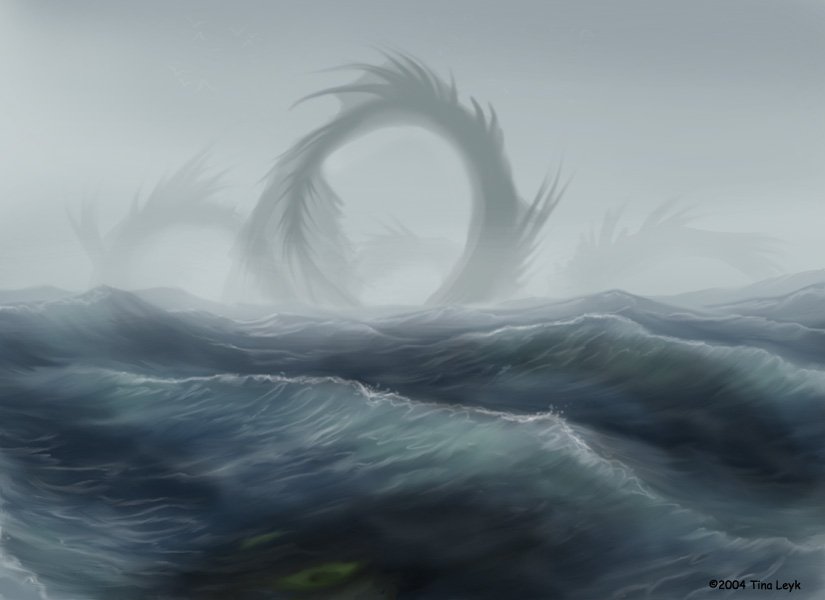
The Terrormor Sea
At the center of The Wilds lies the Terrormor Sea, an immense inland body of water whose distant shores disappear beyond the horizon. Its true depths remain unknown, as do many of its islands, currents, and northern reaches. Maps produced beyond The Wilds generally depict little more than its approximate coastline, and even these boundaries vary considerably between charts.
Ancient legend holds that the Terrormor Sea marks the birthplace of Morterrandath.
According to the tale, Morterrandath did not hatch from an egg nor descend from elsewhere in the world. She crawled out of it. The wound left by her emergence was so vast that one standing upon its edge could not see the opposite side. Morterrandath departed as a young creature and wandered the world for untold ages, growing to a size beyond anything that has lived before or since.
When at last she died, she returned to the place of her birth.
There Morterrandath fell facing the great hollow from which she had first emerged. Her colossal skull became the mountains that now stretch through portions of the Torpor Wastes and toward the White Edge, while the wound in the world gradually filled with water until it became the Terrormor Sea.
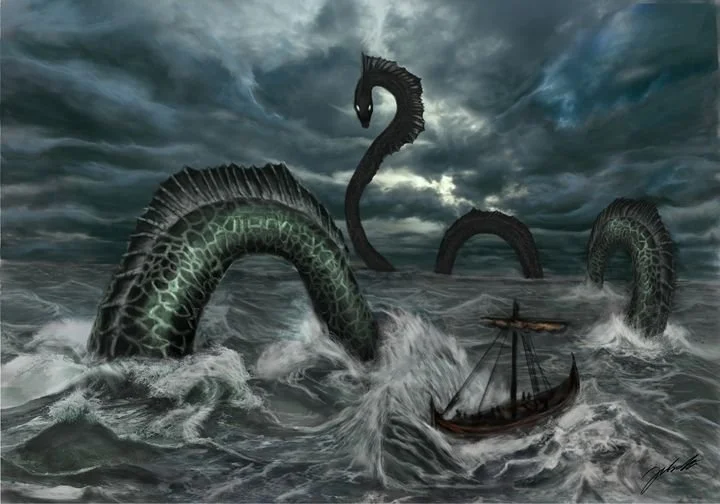
Within the waters lived her children. Leviathans, kraken, and other creatures of the deep are said to inhabit the Terrormor Sea, some reaching proportions rarely encountered in the oceans beyond The Wilds. Sailors tell of immense shapes passing beneath vessels, tentacles rising from otherwise calm water, and distant creatures whose backs have been mistaken for islands. Whether all such accounts are credible is impossible to determine, though the existence of at least some enormous creatures within the sea is well established.
The water itself can be equally dangerous. Powerful currents move through the deeper reaches, fog can descend with astonishing speed, and violent storms are notorious for appearing with little warning. Winds crossing the open water can produce waves capable of overwhelming vessels built for considerably calmer inland seas. For outsiders unfamiliar with its currents and weather, navigation beyond sight of shore is considered extraordinarily dangerous.
Nevertheless, the Terrormor Sea is not unnavigable.
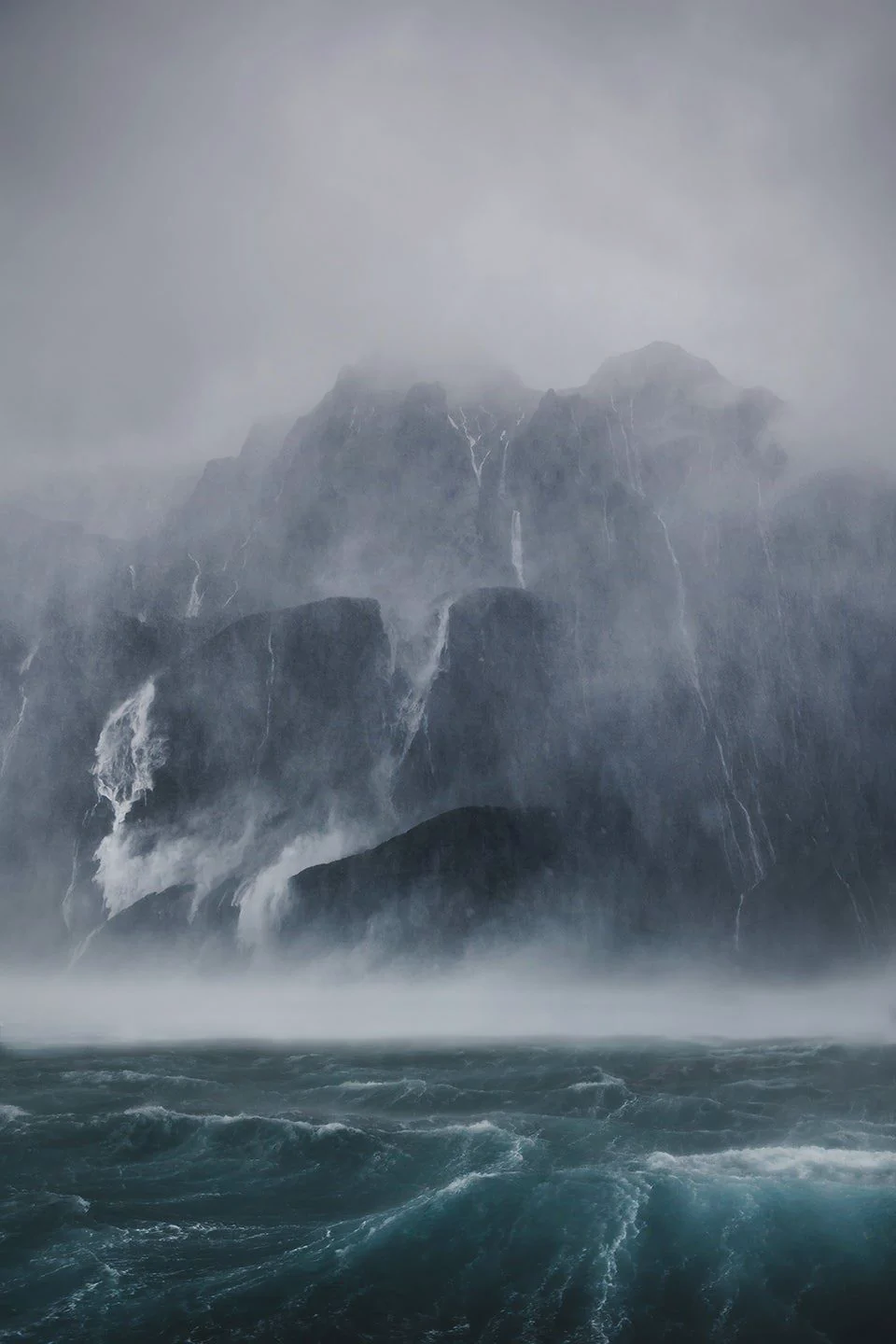
Boats belonging to the Free Folk have repeatedly been observed departing from its shores and returning days or even weeks later. Where they travel remains largely unknown to outsiders. Their vessels have been seen disappearing into fog or open water along routes absent from any imperial chart, only to return carrying people, goods, fish, and materials whose origins are uncertain.
This has long encouraged speculation that islands exist throughout the Terrormor Sea which have never been recorded on maps produced by the Empire. Some may support permanent Free Folk settlements; others may serve as seasonal hunting or fishing grounds, sacred places, or refuges known only to particular communities. How many such islands exist is impossible to say.
The Free Folk have shown little interest in correcting foreign maps.
To those beyond The Wilds, the Terrormor Sea consequently remains a great blank expanse filled with monsters, storms, and conjecture. To the people whose boats continue to cross it, however, it is clearly something else entirely.
Whatever they know of the Terrormor Sea, they have largely kept to themselves.
Outer Hinterlands
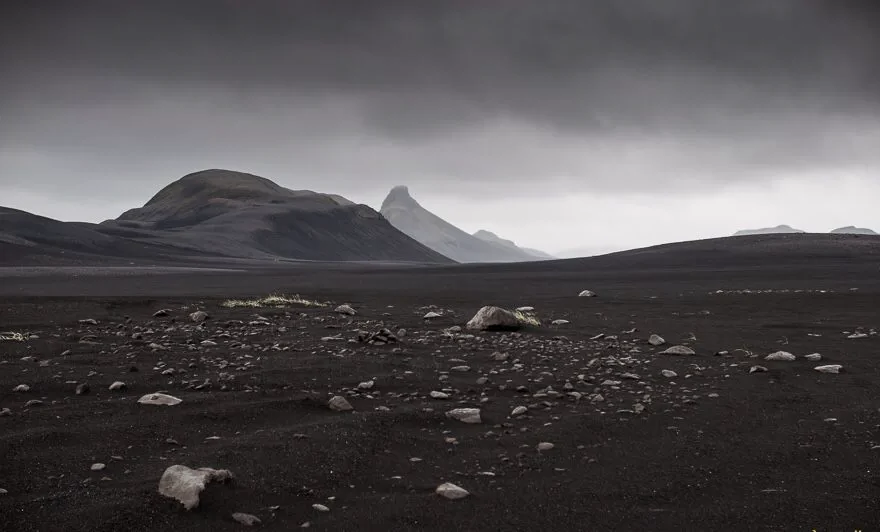
Inland from the coast stretch the Outer Hinterlands, an enormous tract of barren plains, gravel fields, low mountains, and windswept tundra marking some of the emptiest country in The Wilds. There are few trees, fewer landmarks, and great portions of the region appear almost entirely devoid of life. Under an overcast sky, earth and horizon can seem to dissolve into the same shades of gray.
There are no known permanent settlements within the Outer Hinterlands. The land offers too little shelter, fuel, or dependable food to support communities for long, and its exposed plains provide little protection from the weather sweeping across The Wilds. Even ruins are uncommon. Unlike the Wilder Heights, where failed attempts at settlement have left their remains behind, much of the Hinterlands appears as though no one ever seriously attempted to build there in the first place.
The Free Folk nevertheless cross it.
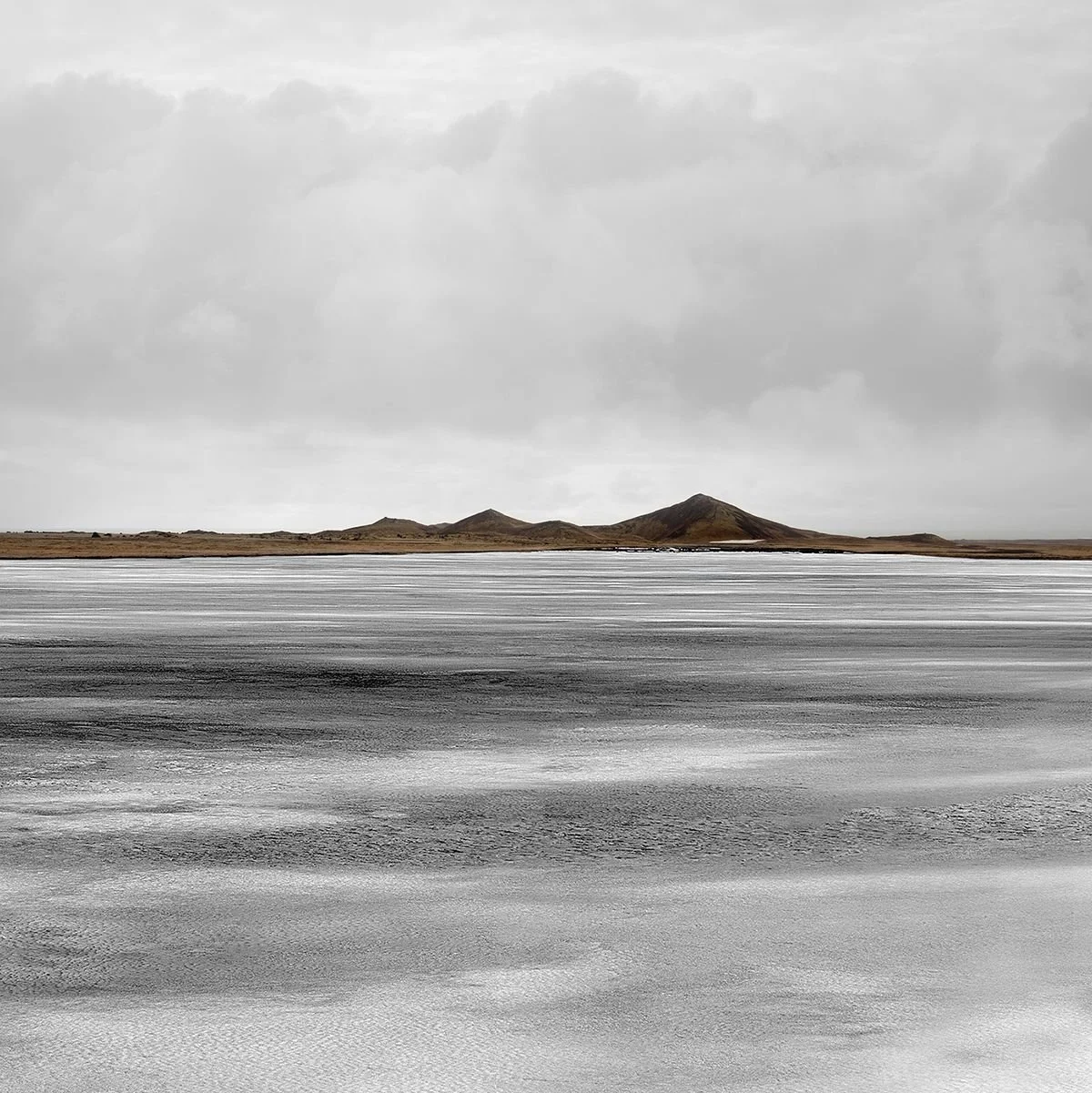
Nomadic groups have traveled through the Outer Hinterlands for generations, following routes that are almost invisible to those unfamiliar with the country. Their journeys connect distant hunting grounds, seasonal camps, coastal regions, and other inhabited portions of The Wilds. Certain depressions, rock formations, caves, and sheltered valleys serve as traditional resting places, though many bear little outward indication that people have ever been there.
Knowledge of these places can mean the difference between survival and death. A shallow hollow may provide the only protection from a storm for many miles. A spring appearing as little more than damp ground may be the only dependable source of fresh water along an entire route. Piles of stones, carved markers, bones, or other signs left by previous travelers can communicate information incomprehensible to outsiders but immediately recognizable to those accustomed to crossing the Hinterlands.
There is a saying among travelers that the gods began making the Outer Hinterlands and then abandoned their work. It is not difficult to understand why.
There are stretches where the land seems unfinished: immense plains of black gravel interrupted by solitary hills, shallow lakes without vegetation along their shores, mountains standing alone upon otherwise featureless horizons, and valleys through which nothing appears to grow. Wind moves freely across hundreds of miles of exposed country, gradually erasing tracks and reducing whatever remains to stone and dust.
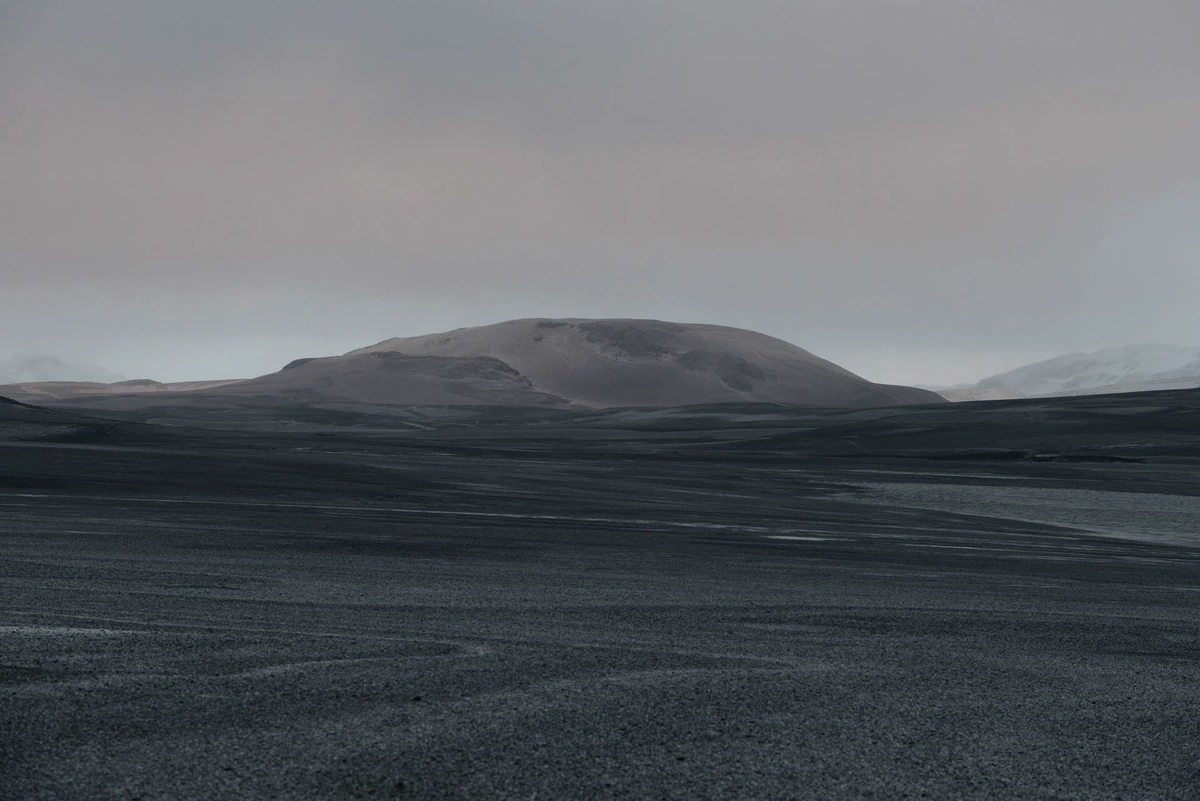
Yet the Outer Hinterlands are not truly lifeless. Lichen and low vegetation persist in sheltered places, insects emerge during the brief warmer season, and migrating animals occasionally cross the plains. Their scarcity only makes encounters more conspicuous. A distant herd can be visible for miles, just as a lone traveler may be seen long before either party wishes to be noticed.
The greatest danger of the Outer Hinterlands is consequently not what lives there, but what does not. There may be no timber for a fire, no game to hunt, no settlement from which to seek aid, and no recognizable landmark by which to correct a mistaken course. A traveler who becomes lost may walk for days through country that appears scarcely different from where they began.
Dreaded HEath
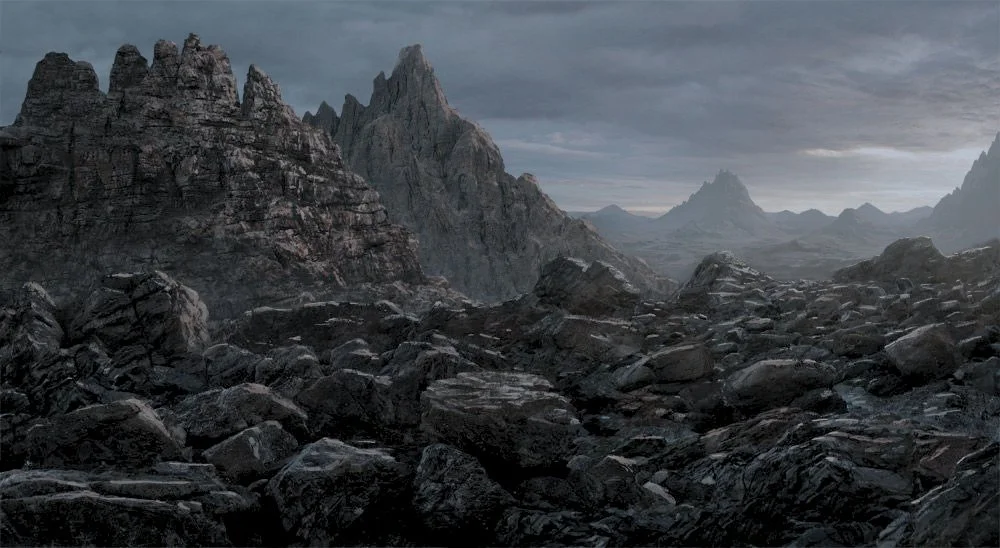
The Dreaded Heath is a barren region of gravel plains, broken stone, low shrubland, and jagged rocky heights within the interior of The Wilds. Across much of the heath, great formations of exposed rock rise abruptly from comparatively low country, their narrow ridges and pinnacles jutting from the earth like spears.
The lower country is considerably flatter, though scarcely more hospitable. Its soil consists largely of sand, gravel, and loose stone, supporting only a thin covering of bristly shrubs, coarse grasses, lichens, and other hardy vegetation. Trees are rare and generally confined to unusually sheltered ground.
Despite the storms that occasionally pass across the region, the Dreaded Heath is remarkably dry. Rain and melting snow disappear rapidly through its loose, porous soil, sinking beyond the reach of most shallow-rooted plants. Streams that descend from the rocky heights can vanish into beds of gravel, and temporary pools may disappear shortly after forming. Much of the water within the heath is believed to travel underground, emerging again far from where it entered the earth.
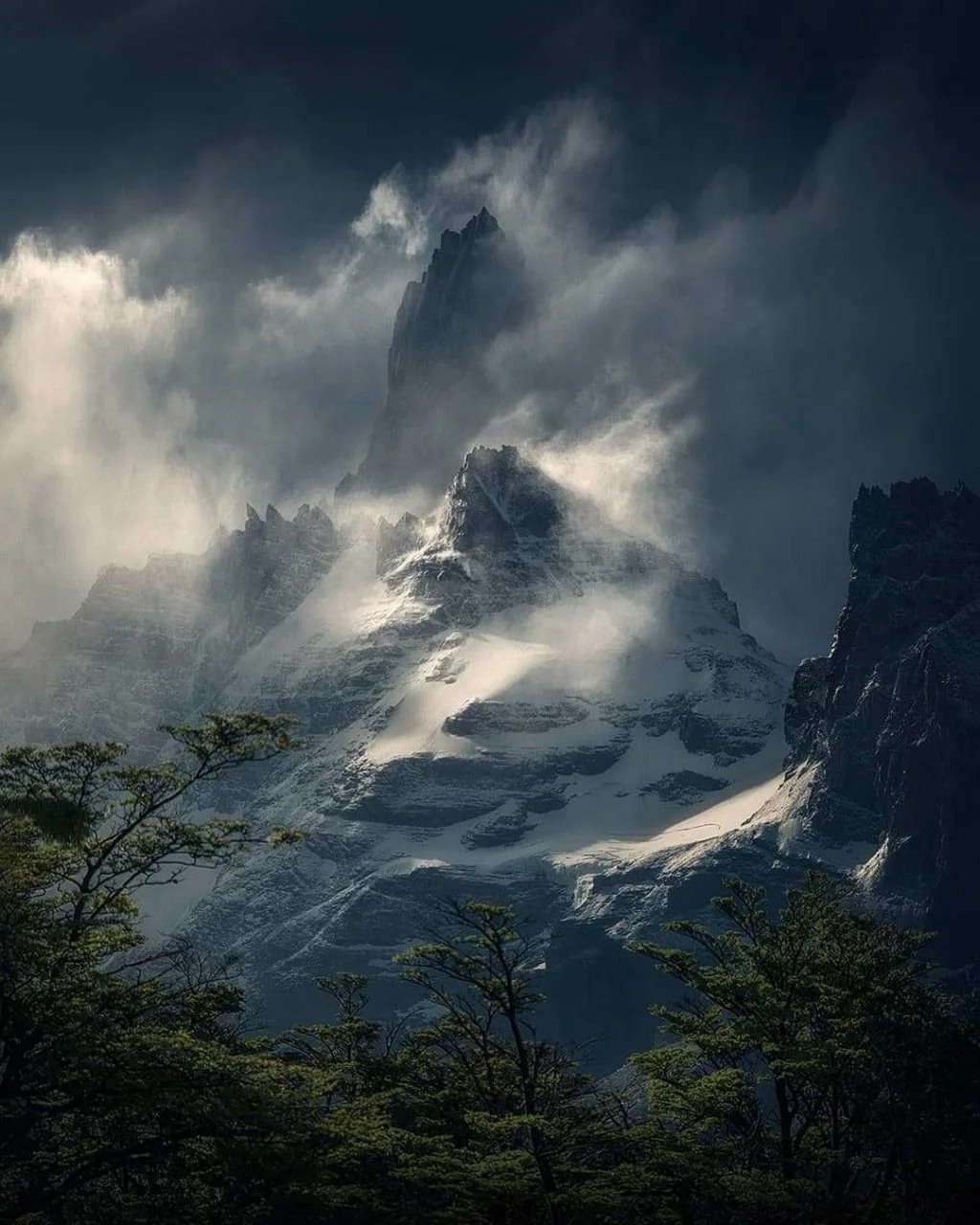
Finding water is consequently one of the greatest difficulties faced by travelers.
The Free Folk know places where underground water approaches close enough to the surface to be reached, as well as certain springs hidden among the rocks. Outsiders searching only for rivers and lakes may find themselves surrounded by evidence of water while having almost none they can actually drink.
Vegetation becomes slightly more abundant wherever moisture collects. Tough shrubs grow in dense, thorny patches along depressions and sheltered slopes, forming the heathland from which the region takes its name. These plants are rarely tall, but their roots can extend surprisingly deep into the sandy earth. During particularly dry periods, much of the visible growth turns gray or brown without dying, only to recover rapidly following rain.
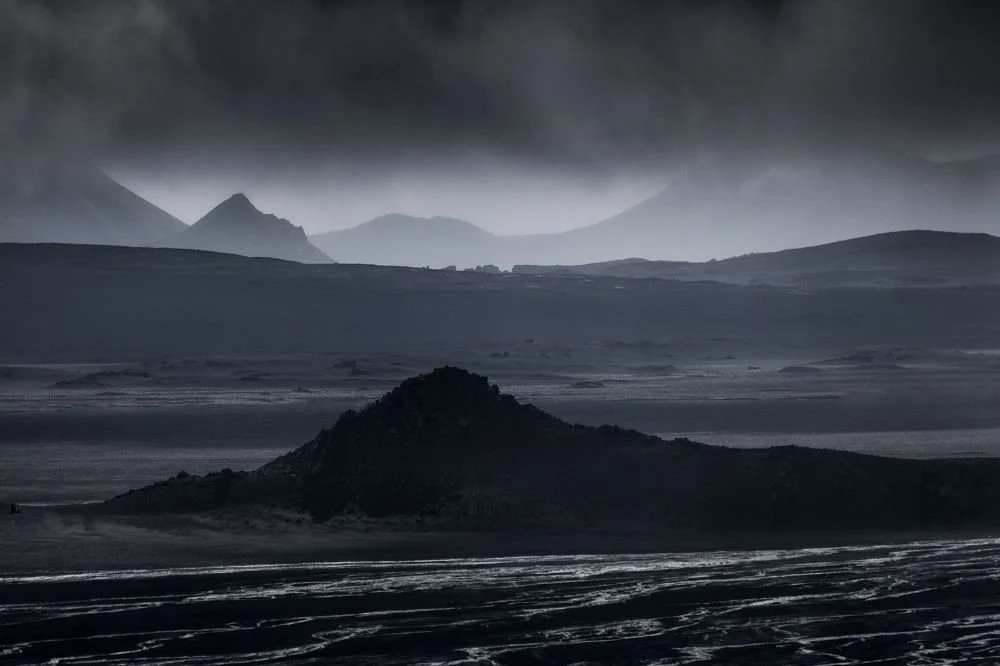
Travel through the higher country presents different dangers. Vast fields of loose boulders and scree surround the rocky formations, making progress slow and treacherous. Stones shift beneath the feet, slopes collapse without warning, and narrow passages between the heights can funnel winds with considerable force. The similarity of the formations also makes navigation difficult once a traveler enters deeply among them.
From a distance, some of the tallest pinnacles resemble towers, walls, or enormous figures standing upon the horizon. Stories consequently abound of travelers mistaking distant formations for settlements and following them for days, only to discover bare stone when they finally arrived.
There are few permanent inhabitants of the Dreaded Heath. Animals tend to remain near dependable water or pass through during seasonal migrations, while the Free Folk generally establish only temporary camps before moving elsewhere.
The heath is therefore not empty in the manner of the Outer Hinterlands. It offers shrubs, shelter, game, and even water. The difficulty is knowing where any of it is.
Storms are frequent along this stretch of coast, and the waters surrounding the lighthouse are notoriously difficult to navigate. Powerful currents run between the Wilder Heights and Stormwing Island, while jagged rocks lie concealed beneath the waves. Even experienced sailors approach the lighthouse cautiously, and ships carrying prisoners, guards, provisions, and other supplies must sometimes wait days for conditions suitable enough to make their landing.
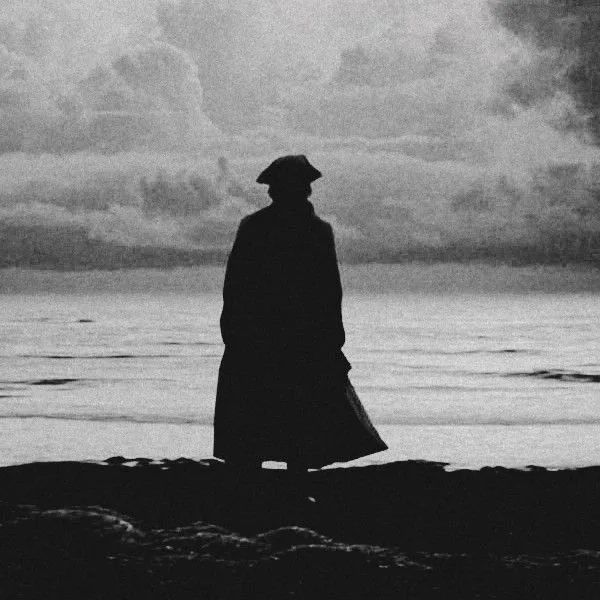
Escape by water is consequently considered little different from suicide. A prisoner surviving the cold and currents would still face miles of open sea before reaching a coast scarcely more forgiving than the prison they fled.
The origins of the lighthouse itself are uncertain. Some accounts maintain that an older structure already stood upon the island before the Empire converted it into a prison, though little reliable information survives concerning who built it or for what purpose. Portions of the lower structure appear considerably older than the fortifications surrounding them, and generations of repairs have made it difficult to determine where the original lighthouse ends and the prison begins.
The Midnight Lighthouse
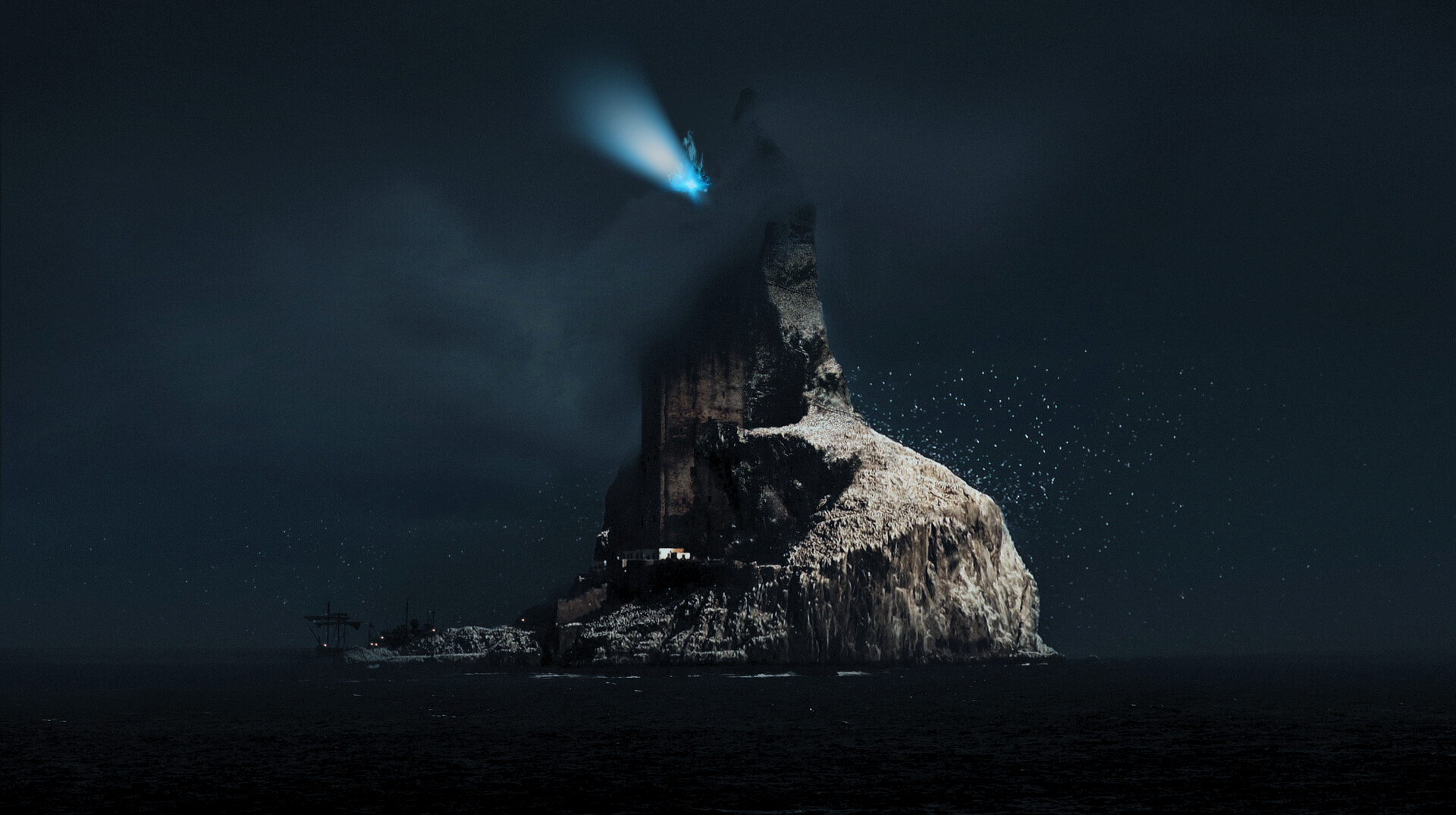
Between the dangerous western coast of the Wilder Heights and the dreaded shores of Stormwing Island rises a solitary spire of twisted stone known as the Midnight Lighthouse. Built upon a narrow island surrounded by violent seas, it serves both as a beacon and as one of the most isolated prisons maintained by the Empire.
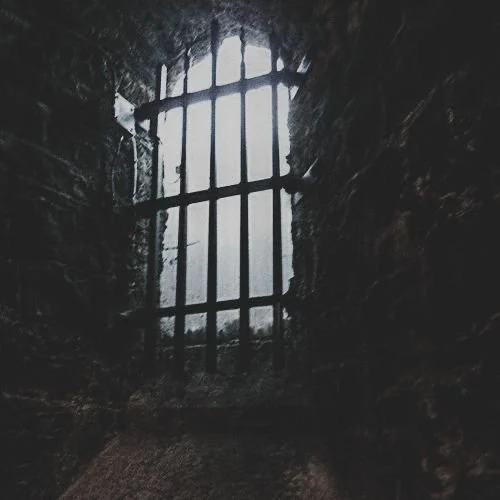
The Midnight Lighthouse is reserved for those condemned for crimes considered too grievous for ordinary imprisonment. Murderers, traitors, practitioners of forbidden arts, and others judged among the most dangerous souls in the Empire have been sent there, removed not merely from society but from nearly every possibility of escape. The sea itself provides much of the prison's security.
Its most famous feature is its light. On ordinary nights, the beacon guides the few vessels permitted to approach the island. During the violent thunderstorms for which these waters are infamous, however, sailors have reported seeing the upper chamber suddenly burn with an intense blue light. The glow can sometimes be seen through rain and fog at distances where the ordinary beacon should scarcely be visible.
Old sailors claim that the light pulses with the sea, and others insist it follows the thunder. Stories become stranger nearer Stormwing Island. Sailors tell of enormous winged shadows appearing between flashes of lightning, of cries heard above the wind, and of shapes circling the lighthouse before disappearing into the storm. Whether these sightings have any connection to the creatures said to inhabit Stormwing Island is unknown.
Prisoners have their own stories. According to those few accounts that have escaped the island, the blue light is sometimes visible from within the prison itself, shining through cracks in the stone and beneath sealed doors. Some claim the tower trembles when it burns. Others describe hearing something moving within the rock beneath them. Imperial authorities maintain that these stories are superstition encouraged by isolation, severe weather, and the prisoners themselves.
Stormwing Island
Far beyond the northwestern coast of The Wilds lies Stormwing Island, an enormous volcanic island roughly comparable in size to the province of Rommelen. It is considered the ancestral homeland of the world's dragons and remains among the least understood places appearing on modern maps.
The island has been known to sailors since antiquity, though knowledge of its interior remains remarkably poor. Its coastline was charted during a series of expeditions undertaken centuries ago by unusually determined explorers and cartographers, several of whom never returned. Later voyages corrected portions of their maps, identified several bays and coastal landmarks, and confirmed the immense scale of the island, but comparatively few expeditions have traveled any great distance inland.
What is known suggests a landscape of remarkable extremes.
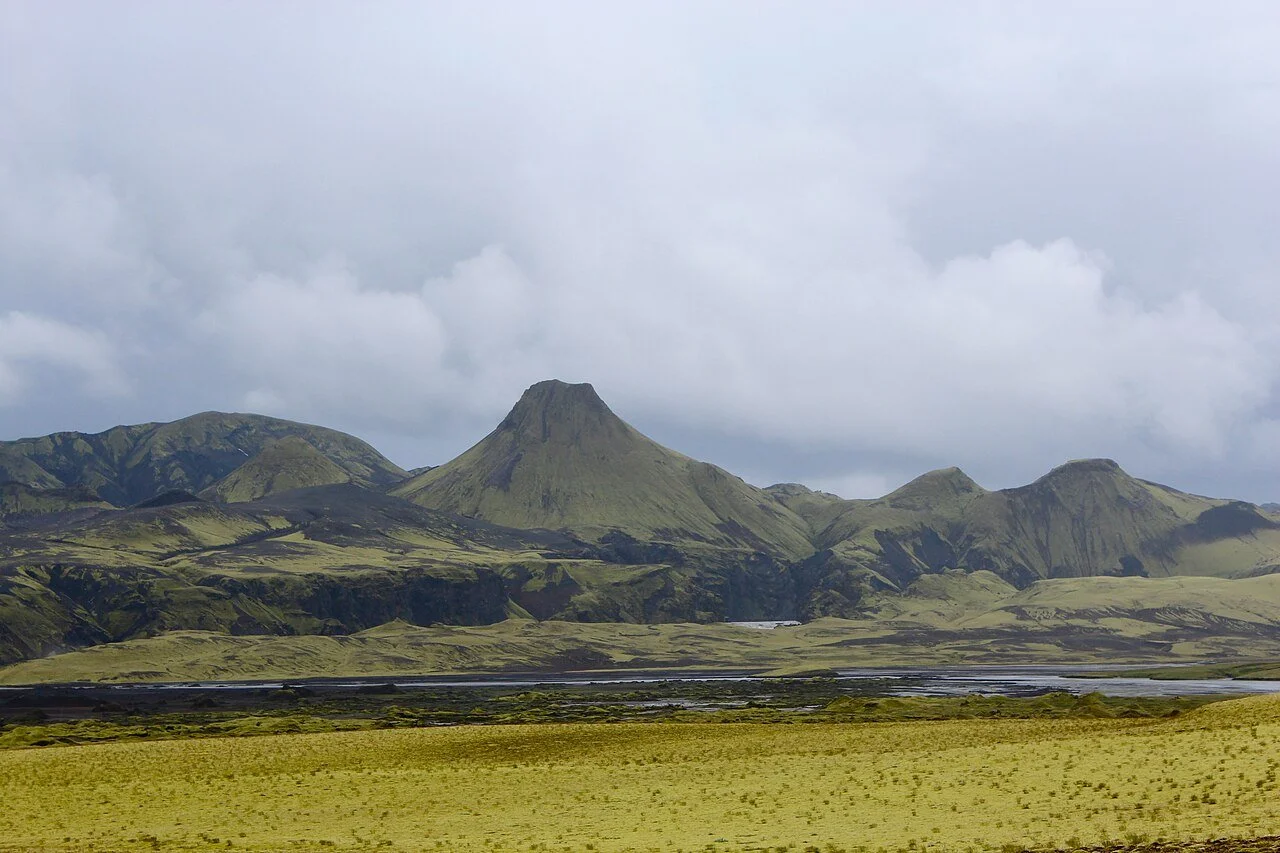
Much of Stormwing lies within the frozen reaches of the world, yet the island is intensely volcanic. Black plains of ash and ancient lava extend between mountains covered in snow and ice. Great fissures split the earth for miles, while hot springs, steaming valleys, and geothermal fields occur throughout portions of the interior. Moss and other hardy vegetation can cover older lava fields in thick green carpets, sometimes ending abruptly where younger eruptions have buried the land beneath fresh stone.
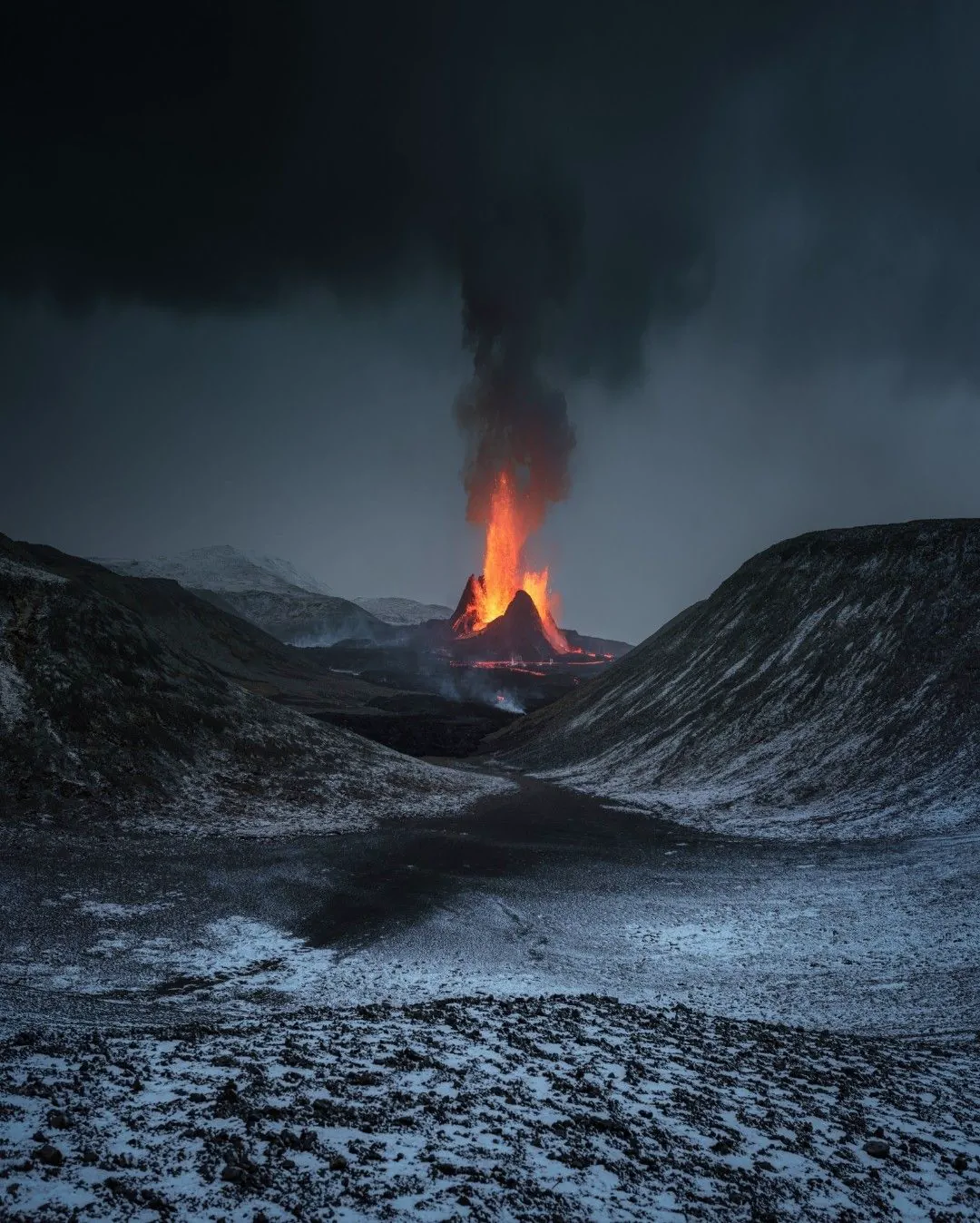
Several active volcanoes (traditionally called the Fiery Mountains by foreign cartographers) are believed to lie deeper within the island. Their exact number is unknown. Smoke from eruptions mingles with fog and low clouds so frequently that sailors approaching Stormwing sometimes report seeing the island's mountains only as dark shapes behind enormous banks of vapor.
These volcanic conditions have long been proposed as one explanation for Stormwing's greatest mystery: how such enormous reptiles survive so far north.
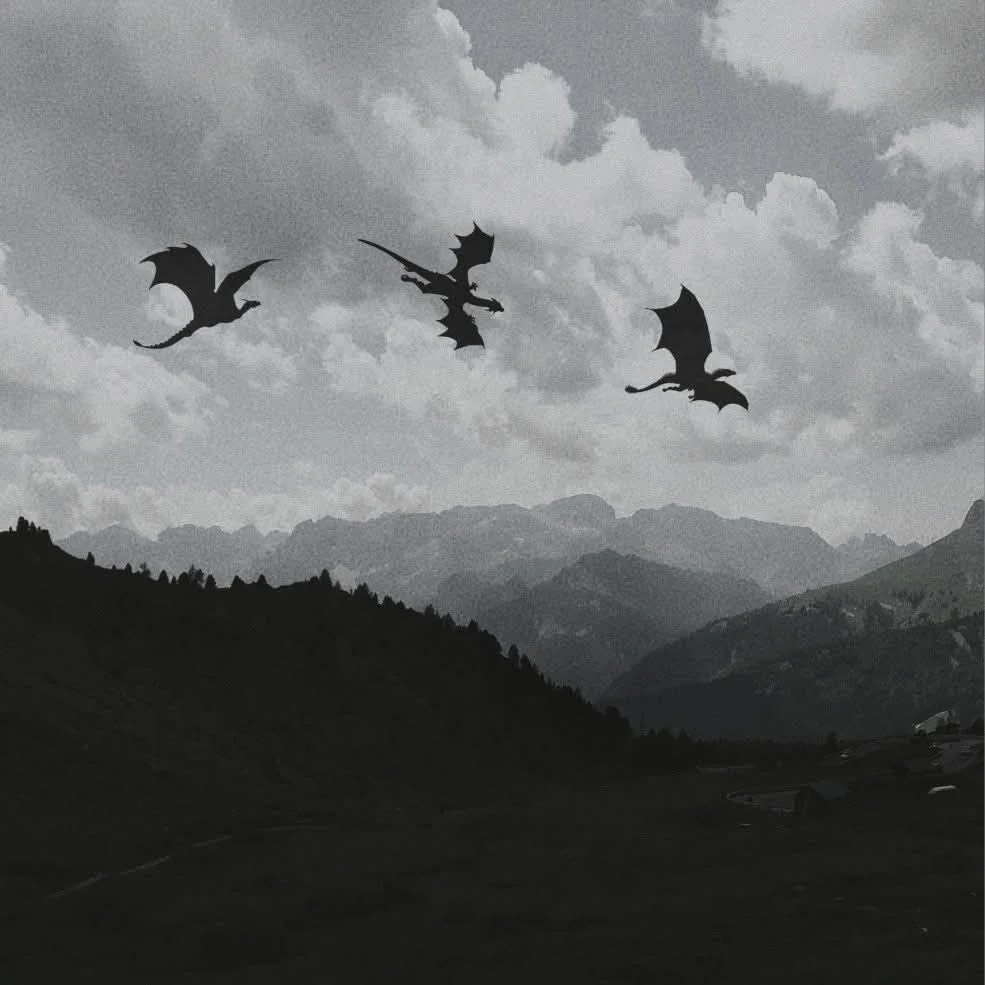
Dragons inhabit the island in considerable numbers. Stormwing is believed to be the ancestral home from which the various dragons of the world originated, though how or when they spread beyond it remains uncertain. They have been observed nesting upon mountains, cliffs, volcanic craters, and inaccessible rocky heights throughout the island. Sailors have reported dragons traveling considerable distances over the surrounding sea, and sightings become increasingly common as vessels approach the coast.
The dragons are not alone. Accounts brought back from expeditions describe enormous reptiles and other creatures unknown anywhere else in the world. Some resemble species familiar to naturalists only distantly; others have never been satisfactorily classified. Because so few specimens have ever been recovered, it remains difficult to separate genuine observations from the increasingly fantastical stories that have accumulated around Stormwing over the centuries.
Attempts to explore the island have consequently become rare. Landing itself is possible. Remaining alive afterward is considerably more difficult. The terrain is treacherous, weather changes rapidly, volcanic activity can make apparently safe valleys suddenly dangerous, and large predators roam portions of the interior. Yet these hazards alone do not account for Stormwing's reputation.
Those who return sometimes bring something back with them.
Survivors of Stormwing Island have occasionally developed an affliction known as Dragon's Miasma. Victims may initially appear unharmed after leaving the island, only to become gravely ill afterward. Because the condition has repeatedly appeared among people returning from Stormwing, sailors and physicians have long associated the illness with the island itself.
Some survivors insist they witnessed things their companions never recorded at all. For this reason, much of what is supposedly known about the interior of Stormwing Island remains disputed.
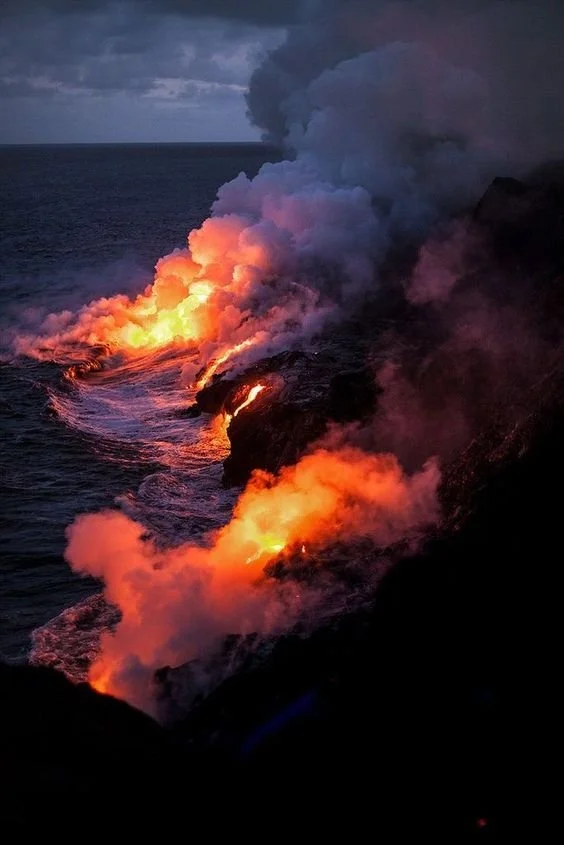
There are old maps showing rivers no later expedition could find. Mountains appear under several different names. One expedition recorded a vast forest where another described nothing but lava. Sailors tell of valleys warmed by the earth where snow never settles, caves large enough for entire ships to enter, and places where hundreds of dragons gather at once.
Whether these accounts describe real places, misunderstood landscapes, or the final delirium of dying explorers is impossible to determine. Stormwing therefore occupies an unusual position upon maps of the known world. Its existence is certain. Its coastline is known. Its mountains can be seen from the sea. Beyond that lies mostly conjecture.
Modern vessels are strongly discouraged from approaching the island, and landing upon Stormwing without extraordinary cause is considered an act of either remarkable courage or profound stupidity. The dragons, meanwhile, appear perfectly content to keep their island to themselves.
The Kingdom of Giants
The Stennaborne, commonly called Giants, are an ancient race said to have been born not of flesh, but of stone. According to the oldest traditions, they were first dreamt into life by Khiashba, Goddess of Dreams, and given form by her father, Storvild, God of Wilderness and Mountains, who sculpted their bodies from the bones of the earth.
Whether this account is understood literally or as sacred mythology varies considerably among scholars. The existence of the Stennaborne themselves, however, is beyond dispute. Far less certain is where most of them live.
For centuries, stories among the Free Folk have spoken of an enormous kingdom somewhere beneath The Wilds. Its precise location remains unknown to the Empire, though it is most commonly placed beneath the tundra and mountains surrounding the Torpor Wastes. Travelers have occasionally reported Giants emerging from caves, mountain passes, and places previously believed inaccessible, while old tales attribute some of the tremors felt across the region to the movement of the Stennaborne through the earth below.
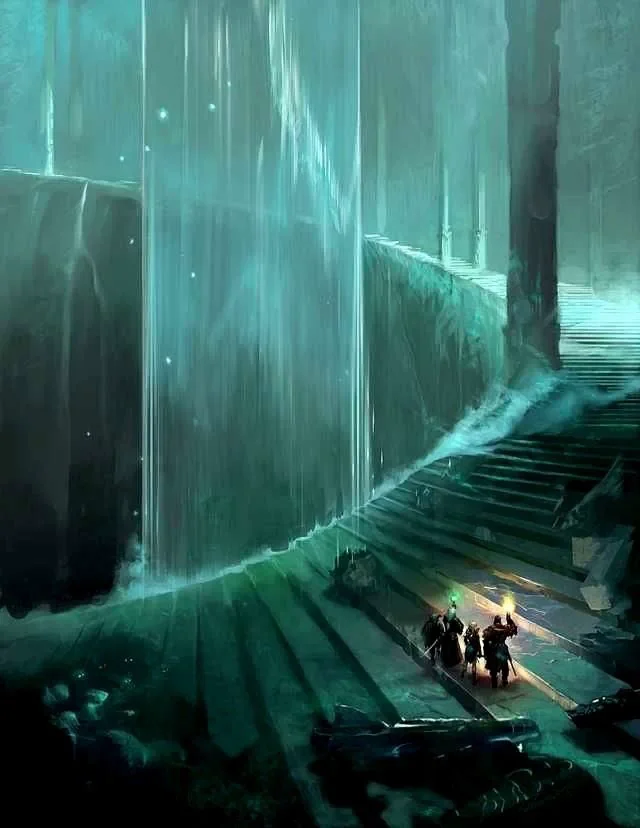
The kingdom is called Vjornak’dûn Tog’rah. Almost everything known of it beyond the Stennaborne themselves comes from the writings of only two scholars who claimed to have seen portions of the kingdom firsthand. Their accounts differ in several particulars, but both describe something far greater than the crude caves and primitive halls imagined in older foreign stories.
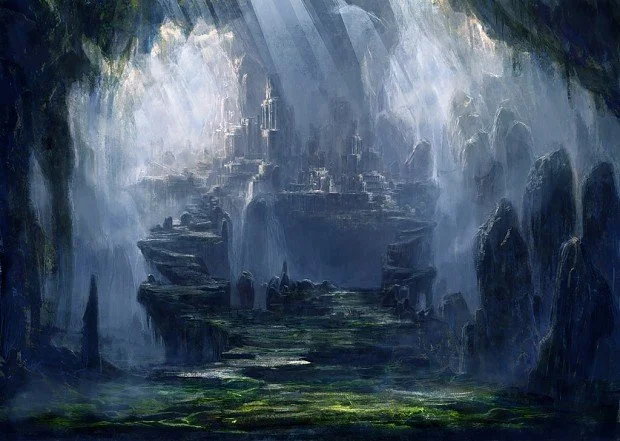
If their testimony is accurate, Vjornak’dûn Tog’rah is a civilization of staggering size. The kingdom occupies a vast network of natural caverns connected by passages, chasms, underground rivers, and works excavated directly through the surrounding stone. Its greatest known cavern is described as so immense that its ceiling disappears into darkness above the city. Stalactites descend from heights difficult to judge, while enormous stalagnates rise like columns between floor and ceiling.
The Stennaborne have incorporated these formations directly into their architecture. Great buildings are carved into cavern walls and stone pillars, while other structures rise independently from the cavern floor. The grandest resemble castles when described by Human observers, though constructed at a scale suited to Giants. Bridges of timber, rope, chain, and stone cross enormous chasms between different levels of the city, and elaborate rope elevators carry people and goods vertically through places where ordinary roads would be impossible.
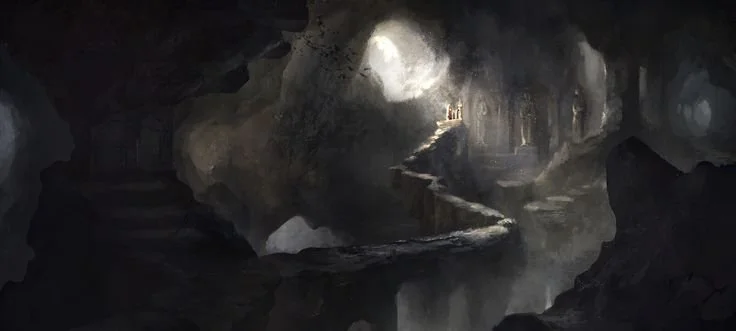
The lower reaches are considerably more crowded. Stacked dwellings climb the walls and gather around pathways, bridges, workshops, and what the scholars described as a great lower dock. Goods are moved throughout the city along waterways and subterranean passages, suggesting that the inhabited caverns extend considerably farther than either visitor was permitted, or able, to explore.
Heat and light come from several sources. Fissures and geothermal vents occur throughout portions of the kingdom, and both accounts describe bursts of molten stone or lava geysers illuminating distant chambers. Firelight, lamps, glowing minerals, and other sources of illumination transform parts of the otherwise lightless kingdom into inhabited islands surrounded by immense reaches of darkness.
Among the most extraordinary features described are the Pillars.
Where enormous stalagnates support the cavern above, generations of Stennaborne stoneworkers have carved portions of them into colossal figures. These sculptures appear to bear the weight of the world upon their shoulders, their bodies disappearing upward into the rock they seemingly support. Some scholars have interpreted them as representations of Storvild or ancient Stennaborne kings, though their actual meaning remains uncertain.
They seem to be monuments as well as structural. Neither surviving account was able to determine where architecture ended and the natural foundations of the cavern began.
The Ten Kings
Vjornak’dûn Tog’rah is traditionally associated with the Ten Kings of the Stennaborne, though foreign understanding of this institution remains incomplete. Whether the Ten Kings ruled simultaneously, represent successive dynasties, govern separate portions of the underground realm, or belong to some older Stennaborne conception of kingship has been the subject of considerable disagreement.
One name appears repeatedly in surviving accounts:
Uv’rhadrott, Third of the Ten Kings. Uv’rhadrott is among the few Stennaborne rulers known by name beyond The Wilds and is traditionally identified with Vjornak’dûn Tog’rah. Precisely when he ruled and what events occurred during his reign remain subjects of incomplete translation and conflicting chronology. This uncertainty is characteristic of nearly everything written about the kingdom.
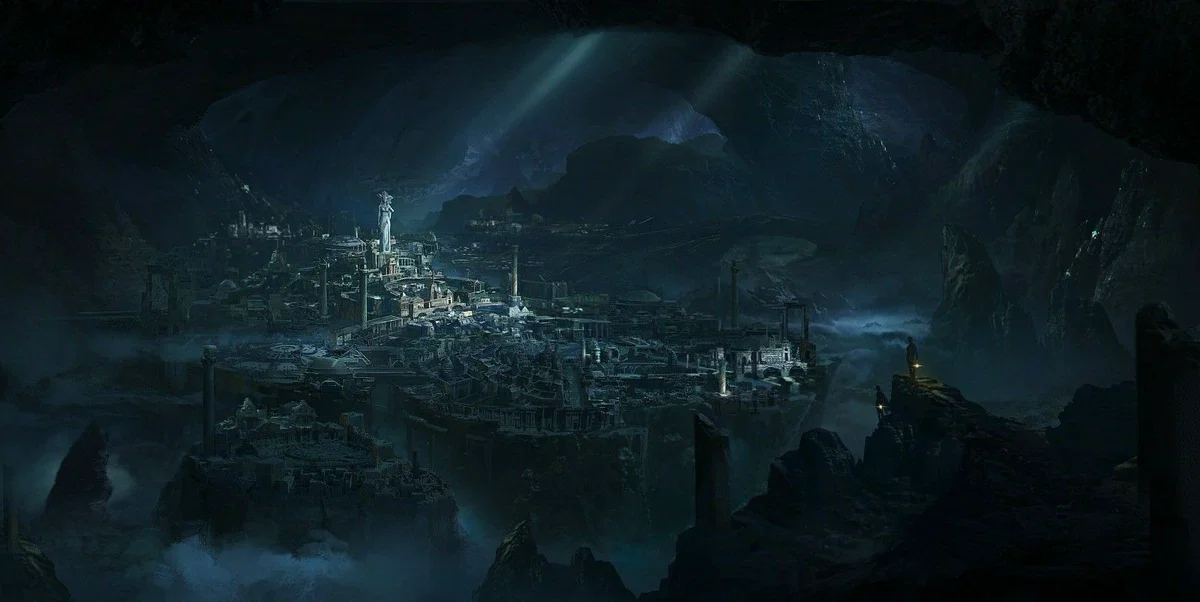
The two scholars who described Vjornak’dûn Tog’rah saw only portions of it. Neither produced anything resembling a complete map. Passages they were forbidden to enter disappeared into darkness for miles. Bridges led toward distant structures whose purposes were never explained. Underground waterways continued beyond the limits of their journeys, and both writers believed the populated caverns extended far beyond what they had personally witnessed.
How many Stennaborne live beneath The Wilds is therefore unknown. So too is the true extent of their kingdom. It is entirely possible that what outsiders call Vjornak’dûn Tog’rah represents only one city within a much greater subterranean realm. If so, the greatest civilization in The Wilds may be the one that never appears upon its maps.